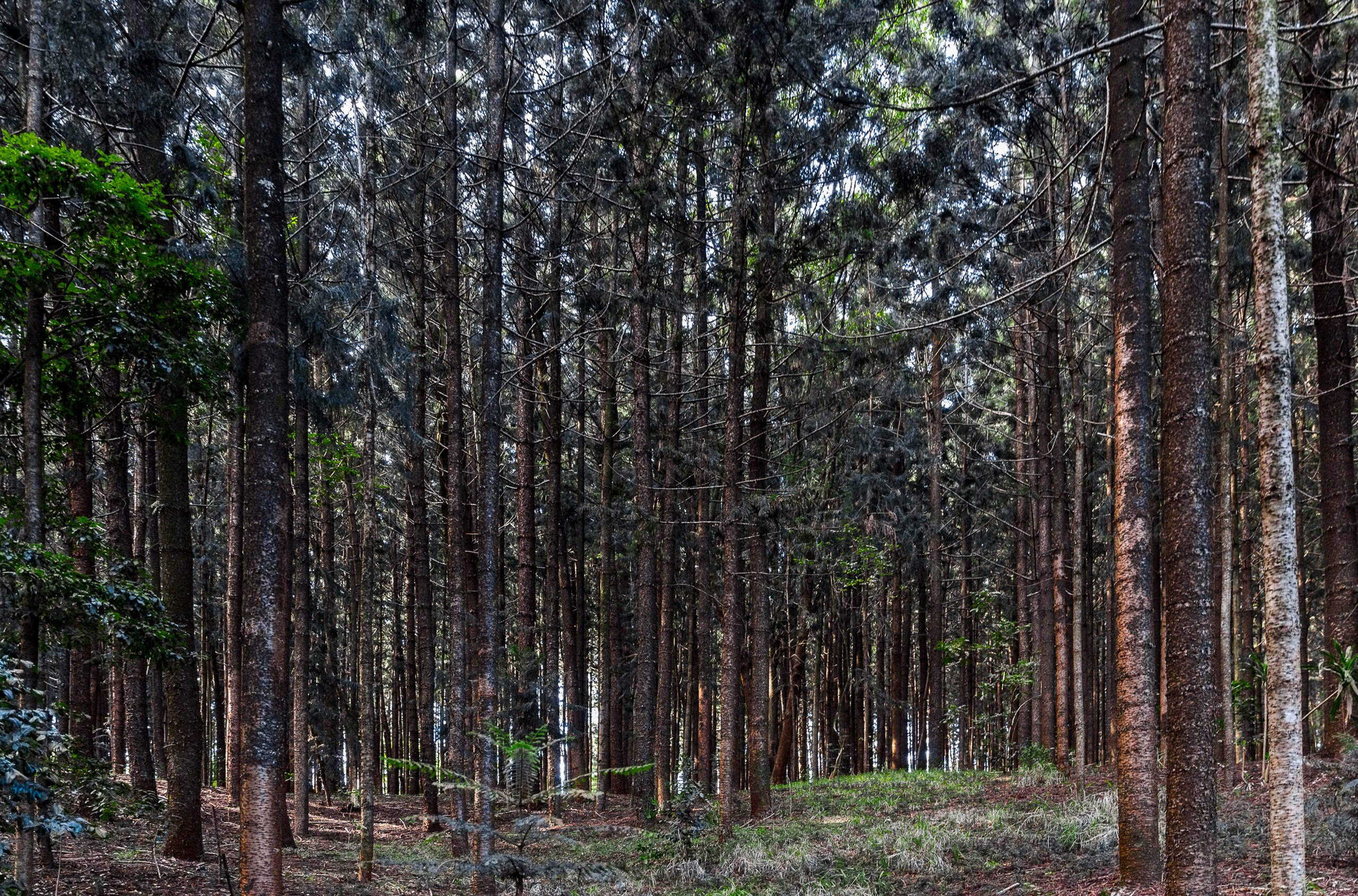
Karura Forest stands as one of Nairobi’s most remarkable natural assets, offering a rare blend of wilderness, history, and recreation within a fast-growing capital city. Tucked into the northern part of Nairobi, this vast green sanctuary provides residents and visitors with an accessible escape from traffic, concrete, and urban noise. Unlike distant national parks that require long travel, Karura Forest sits right at the city’s edge, making nature part of everyday life rather than a weekend luxury.
For decades, Karura Forest has represented far more than just trees and walking paths. It tells a story of conservation, public resistance, and environmental justice. Once threatened by unchecked development and insecurity, the forest has since evolved into a safe, well-managed space that reflects Kenya’s broader environmental awakening. As Nairobi expands outward, Karura remains a reminder that urban growth and ecological preservation can coexist when communities remain vigilant.
Today, Karura Forest appeals to a wide range of visitors. Joggers arrive early for shaded morning runs, families gather for relaxed weekend walks, cyclists enjoy long uninterrupted trails, and bird enthusiasts quietly observe species rarely seen elsewhere in the city. Meanwhile, its waterfalls, caves, rivers, and bamboo groves give the forest a sense of depth and discovery that few urban green spaces can match.
Understanding Karura Forest also means understanding its role in Nairobi’s environmental health. The forest protects water catchments, moderates urban temperatures, and supports biodiversity within a heavily built-up region. For many, Karura Forest is not just a recreational site but a living classroom that demonstrates why urban forests matter in modern African cities.
This guide explores Karura Forest in detail, from its geography and wildlife to entry fees, access points, activities, and conservation history. Whether you are planning a first visit or looking to deepen your appreciation of the forest, this article provides everything you need to know.
Karura Forest Location and Size
Karura Forest is located north of central Nairobi, bordered by neighborhoods such as Muthaiga, Gigiri, Runda, Ridgeways, and parts of Mathare North. The forest covers more than 1,000 hectares, making it one of the largest fully gazetted urban forests in the world. Only a handful of cities globally can claim a protected forest of this scale within city limits.
The forest is divided into three main sections separated by Limuru Road and Kiambu Road. The central block forms the largest portion, while the western section is commonly known as Sigiria Forest. Smaller eastern sections have been reserved for national priorities, though they remain part of the broader forest ecosystem.
Karura Forest Geography and Natural Features
Karura Forest sits within a natural drainage basin that feeds several tributaries of the Nairobi River. Rivers such as Karura, Thigirie, Rui Ruaka, and Getathuru flow through the forest, sustaining wetlands, marshlands, and rich plant life. These waterways contribute to the forest’s cooling effect and support aquatic and bird species.
One of the most visited features is the forest waterfall, a peaceful spot surrounded by indigenous vegetation. Nearby bamboo forests create a dramatic contrast to the taller upland trees, while marshlands add ecological diversity. Scattered throughout the forest are Mau Mau caves, which hold historical significance linked to Kenya’s struggle for independence.
Wildlife and Biodiversity in Karura Forest
Despite its urban location, Karura Forest supports impressive biodiversity. The forest is home to over 200 bird species, making it a favorite destination for birdwatchers. Common sightings include hornbills, turacos, kingfishers, and various raptors.
Mammals found within Karura Forest include bushbucks, duikers, bush pigs, porcupines, genets, African civets, bush babies, and Sykes’ monkeys. In recent years, colobus monkeys have also been reintroduced, further strengthening the forest’s ecological balance. Reptiles, butterflies, and insects contribute to a complex ecosystem that thrives despite surrounding urban pressure.
Plant life in Karura Forest includes indigenous species such as Olea africana, Croton megalocarpus, Warburgia ugandensis, and Markhamia lutea. Ongoing restoration projects continue to replace exotic species with native trees to improve soil health and water retention.
Activities and Experiences in Karura Forest
Karura Forest offers a wide range of outdoor activities suited to different fitness levels and interests. Its well-maintained trail network extends over 50 kilometers, allowing visitors to choose routes based on time and ability.
Walking, jogging, and hiking are among the most popular activities. Clearly marked trails of 5 km, 10 km, and 15 km make navigation easy while encouraging exploration. Cyclists benefit from a dedicated biking trail that minimizes conflict with walkers.
Sightseeing remains a major attraction. Visitors often plan routes that include the waterfall, bamboo forest, Mau Mau caves, and scenic river crossings. Photography enthusiasts find endless opportunities, particularly during early morning and late afternoon light.
Families appreciate open spaces near main gates, where children can safely play while adults relax. Meanwhile, nature lovers enjoy quiet zones in Sigiria Forest, which is known for its calmer atmosphere and lower foot traffic.
Entry Fees and Charges
Entry to Karura Forest is affordable and structured to encourage public access while supporting conservation efforts. Fees vary based on residency status.
Kenyan citizens pay a modest entry fee, with reduced rates for children. Residents pay slightly higher fees, while non-residents pay premium rates. Parking charges apply uniformly regardless of nationality. Bicycle rentals are available at selected gates for visitors who prefer not to bring their own equipment.
These charges contribute directly to forest maintenance, security, and restoration projects managed by the Kenya Forest Service in partnership with the Friends of Karura Forest Community Forest Association.
Access Points to Karura Forest
Karura Forest has multiple entry gates designed to distribute visitor traffic efficiently. The Limuru Road entrance, often referred to as Gate A, serves as the main access point. It is closest to popular attractions such as the waterfall, River Café, and family-friendly areas.
The Kiambu Road entrance, also known as Gate C, is convenient for visitors arriving from Thika Road and surrounding neighborhoods. Sigiria Gate provides access to the western section of the forest and is popular with dog walkers and those seeking quieter trails.
Each gate is staffed and monitored, ensuring controlled access and visitor safety throughout the day.
Operating Hours and Visitor Guidelines
Karura Forest is open daily from early morning until early evening. Entry typically closes one hour before closing time to allow visitors to exit safely before dusk. These hours make it possible to enjoy both sunrise and late afternoon visits.
Strict rules help preserve the forest environment. Single-use plastics are prohibited, encouraging visitors to carry reusable water bottles and containers. Littering is strictly discouraged under a “leave nothing behind” policy.
Pets are allowed in designated areas but must be kept on a leash. Dog owners are required to obtain daily or seasonal passes to ensure responsible access.
Karura Forest Conservation History
Karura Forest’s survival is closely linked to Kenya’s environmental activism. In the late 1990s, large sections of the forest were illegally allocated for private development. These actions triggered public outrage and resistance, led prominently by Wangari Maathai and the Green Belt Movement.
Protests against forest destruction became a national symbol of resistance to land grabbing and environmental injustice. International attention followed, including condemnation from the United Nations and global environmental organizations. Eventually, public pressure halted most development plans, though legal battles continued for years.
The introduction of the Kenya Forests Act strengthened legal protection for forests nationwide. Community involvement increased through the formation of the Friends of Karura Forest Community Forest Association, which partnered with the Kenya Forest Service to secure and rehabilitate the forest.
Security Transformation and Community Management
For many years, Karura Forest had a reputation for insecurity. Crime and illegal activities discouraged visitors, leaving the forest largely abandoned. This changed dramatically after 2009, when fencing, patrols, and structured management transformed Karura into a safe public space.
Electric fencing around the forest perimeter improved security, while regular patrols restored public confidence. Visitor numbers increased rapidly, turning Karura Forest into one of Nairobi’s most visited outdoor destinations.
Community participation remains central to forest management. Volunteers, donors, and local residents contribute to conservation programs, environmental education, and ongoing improvements.
Environmental Education and Tourism Role
Karura Forest plays a vital role in environmental education. Schools frequently organize visits that expose students to biodiversity, conservation principles, and the importance of urban ecosystems. The Karura Forest Environmental Education Trust supports these programs, ensuring long-term awareness among younger generations.
Tourism has also grown steadily. While most visitors are Kenyan citizens, international tourists increasingly include Karura Forest in Nairobi itineraries. The forest’s proximity to diplomatic missions and the United Nations Office at Nairobi further enhances its global profile.
Restoration and Indigenous Tree Programs
Recent restoration efforts focus on replacing mature exotic trees with indigenous species. Trees such as eucalyptus and cypress, introduced during colonial periods, are gradually being removed due to their impact on water resources and wildlife.
Indigenous replacements support native animals, improve soil conditions, and enhance long-term sustainability. These efforts align with national forest management plans and broader climate resilience strategies.
Why Karura Forest Matters Today
Karura Forest represents a successful model of urban conservation in Africa. It demonstrates that cities can protect natural spaces without sacrificing development. As Nairobi continues to grow, Karura remains a critical buffer against environmental degradation.
For residents, Karura Forest offers daily access to nature, promoting physical health, mental well-being, and community connection. For policymakers, it stands as evidence that public engagement and strong legal frameworks can protect shared natural heritage.
Karura Forest is not just a destination but a living example of what sustainable urban planning can achieve when people choose preservation over short-term gain.
Core Activities & Attractions
The forest is a hub for recreation, offering diverse landscapes from bamboo groves to marshlands.
| Activity | Description |
|---|---|
| Nature Trails | Well-marked trails of 5km, 10km, and 15km for walking, jogging, and hiking. |
| Cycling | A dedicated 12km biking trail; bicycle rentals are available at the entrance. |
| Sightseeing | Features a 15-meter waterfall, the historic Mau Mau caves, and archaeological sites. |
| Wildlife | Home to Sykes’ monkeys, bushbucks, over 200 bird species, and various reptiles. |
| Dining | The River Café (located near Limuru Road Gate A) offers refreshments and light bites. |
Visitor Logistics (2025/2026)
The forest is open daily from 6:00 AM to 6:00 PM, with last entry typically at 5:00 PM.
| Category | Kenyan Citizen | Resident | Non-Resident |
|---|---|---|---|
| Adult Entry | KES 100 | KES 200 | KES 600 |
| Child Entry | KES 50 | KES 100 | KES 300 |
| Parking (Car) | KES 100 | KES 100 | KES 100 |
| Bike Rental (2 hrs) | KES 500 | KES 500 | KES 500 |
Data sourced from Nairobi Park Guide and Kenya Forest Service.
Access Points
- Limuru Road (Gate A): Main entrance, closest to the River Café, playground, and waterfall.
- Kiambu Road (Gate C): Located near the DCI offices, ideal for those coming from the Thika Road/Kiambu area.
- Sigiria Gate: Accesses the western block (Sigiria Forest), popular for quiet walks and dog exercise.
Essential Rules
- Plastic Ban: No single-use plastic bottles or bags allowed; bring reusable containers.
- Waste: “Leave nothing behind but footprints”.
- Pets: Dogs are allowed but must be on a leash in most areas and require a seasonal or daily pass.
For guided tour bookings or community membership, visit the Friends of Karura Forest official site.