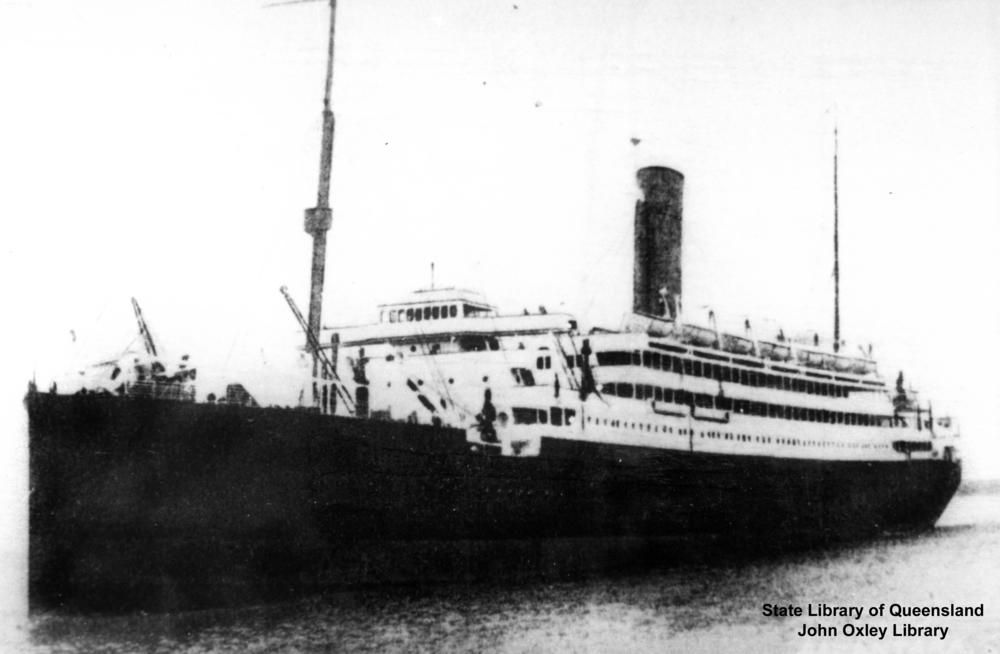
On September 24, 1946, Jomo Kenyatta stepped off the SS Alcantara at Kilindini Harbour, Mombasa, marking his long-awaited return to Kenya after 15 years in England. It was more than a homecoming—it was the symbolic return of a leader poised to ignite the final push for African independence.
As the ship left Southampton, Kenyatta bid farewell to his British wife Edna, who was expecting their second child, and their young son Peter Magana. Also aboard the vessel was Semakula Mulumba, a Ugandan nationalist and fellow passenger on the journey back to East Africa.
Aboard the Alcantara: A Gambler’s Charm
Kenyatta, ever charismatic, surprised fellow passengers with his uncanny gambling skills. During a game of chance called pata potea, passengers guessed the ship’s arrival time at upcoming ports, each paying a 2.50 shilling fee.
When the ship reached Aden, only Kenyatta’s prediction was correct, earning him 100 shillings. Cheered on by passengers, both Black and White, he was encouraged to try again. The next challenge was predicting the ship’s arrival in Mombasa, and once more, Kenyatta nailed the time precisely, winning another 100 shillings. Laughter and astonishment filled the decks—some even jokingly wondered if he was a witchdoctor.
A Hero’s Welcome in Mombasa
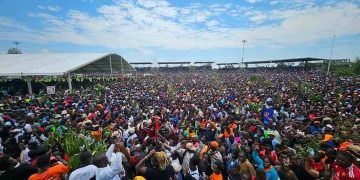
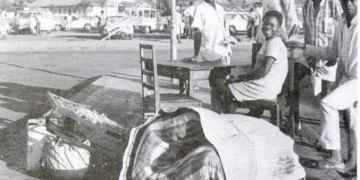
The mood at Kilindini Harbour was electric. Awaiting Kenyatta were his first wife Wahu, son Muigai, family members from Ichaweri, and a delegation of enthusiastic supporters from various African associations. They included members of the Kenya African Union (KCA) and ordinary Mombasa residents, eager to greet a man many considered the future face of freedom.
Kenyatta was whisked away to the Britannia Hotel, where he reunited with friends and supporters over a grand English-style lunch. The Kikuyu General Union, Nyanza Province Association, Uganda African Association, and Africans in Mombasa covered the cost of the event.
Kenyatta’s First Public Speech in 15 Years
Speaking in Kiswahili, Kenyatta addressed the luncheon crowd with heartfelt emotion.
“I’m very happy and grateful indeed to God for enabling me to see you today. Above all, I’m delighted to return to the country where I was born.”
He recounted how tears flowed when he first glimpsed Kenya from the ship that morning. His message stressed unity beyond tribalism, urging Africans to love one another regardless of ethnicity.
“I myself am a Kikuyu, but my Kikuyu tribe is composed of only a few people… What we ought to do is to love one another without discrimination… to uplift our country.”
The speech ended with a prayer from a Luo woman, thanking God for Kenyatta’s safe return and praying for unity among Africans.
A Night in Mombasa and a Message of Moral Revival
That night, Kenyatta stayed with John Wagema, leader of Railway Telegraph Clerks. He spent the evening reflecting with friends like Henry Muoria, sharing stories over dinner in Kikuyu. Kenyatta criticized two groups he felt tarnished the image of the Kikuyu: rickshaw pullers who subjected themselves to degrading orders from Indian and Somali clients, and prostitutes, who he claimed undermined tribal and national dignity.
Public Address at the Railway Club
Later that evening, Kenyatta addressed Africans at the Mombasa Railway Club. He began in English, but the crowd demanded Swahili. With humility, he switched languages:
“It’s alright, I am going to try to speak to you in Swahili… I haven’t spoken Swahili for so many years. So when I make a mistake, it should be corrected.”
He reiterated that unity was essential for African liberation, stressing that internal divisions were the biggest barrier to progress.
“There’s nothing which white people can do which cannot be done by Africans if we are united.”
Final Farewell and Journey to Nairobi
The next day, a second luncheon was held at the Britannia Hotel, hosted by Kenyatta’s KCA colleagues. After further sightseeing, he boarded a train to Nairobi—his first visit to the capital since 1931. In Dagoretti, a large celebration awaited him.
Legacy of Kenyatta’s Return
The return of Jomo Kenyatta in 1946 marked a turning point in Kenya’s independence struggle. His speeches emphasized nationalism, morality, and unity, laying the groundwork for the coming anti-colonial movement. Though still viewed with suspicion by colonial authorities, Kenyatta had returned not as a quiet teacher, but as a rising nationalist titan.
Summary:
- Why was Kenyatta away? He lived in England for 15 years, studying and advocating for African rights.
- What happened in 1946? He returned to Kenya via Mombasa, greeted by a large crowd.
- What was the message? Kenyatta emphasized unity over tribalism, the need for self-respect, and African capability.
- Why is it important? This return marked the beginning of Kenyatta’s visible leadership in the struggle for independence.