TEHRAN: Iran’s Defense Minister Reveals Advanced Missiles Used in Recent War with Israel. On August 20, 2025, Iran’s Minister of Defense and Armed Forces Logistics, Brigadier General Azizi Nasirzadeh, revealed that Iran used older-generation missiles during the recent 12-day war against Israel, but emphasized that the country possesses advanced missile systems with far greater capabilities. This announcement comes amid growing concerns over potential future conflicts in the region.
Nasirzadeh stated that the missiles deployed during the conflict, while effective in striking key Israeli targets, were developed several years ago. He assured that Iran’s current missile capabilities are significantly more powerful and capable of inflicting greater damage. He added, “If the Zionist enemy chooses adventurism again, we will certainly use them.”
Missile Capabilities and Technology: Iran’s Strengthening Defense
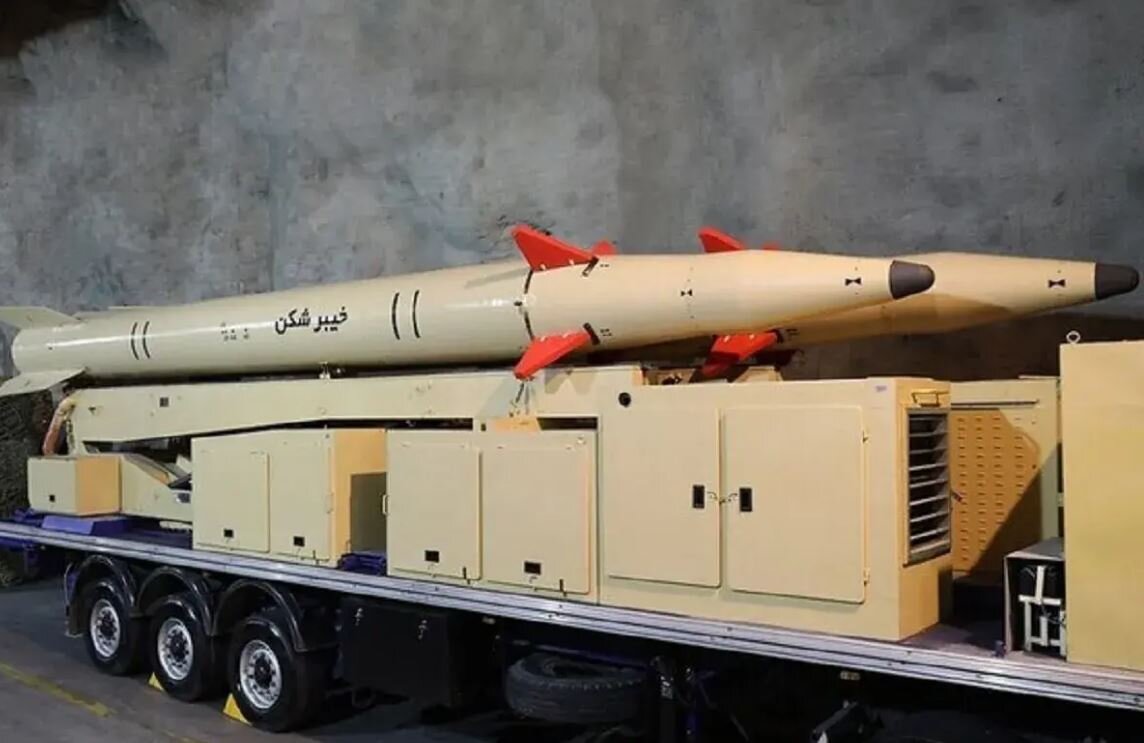
The Mideast conflict saw Iran’s missiles reach their intended targets despite the adversary’s extensive defense systems, including advanced U.S.-backed technologies like THAAD, Patriot, Iron Dome, and Arrow batteries. Despite Israel’s sophisticated defense measures, Iran’s missiles, such as the Kheibarshekan, were able to penetrate these systems, signaling a major leap in the country’s missile technology.
One of the missiles used during the war was the Kheibarshekan, part of Iran’s third-generation long-range missile arsenal. This missile boasts impressive attributes, including the ability to maneuver during reentry to evade missile defenses, making it highly efficient in warfare. The missile’s optimized design allows for a one-third reduction in weight and cuts the launch time by 85 percent compared to earlier models. With a range of 1,400 kilometers, the Kheibarshekan can carry a 500-kilogram warhead and proved its destructive capability by inflicting significant losses on the Zionist regime.
Iran’s Military Readiness: Full Alert for Future Conflicts
While Nasirzadeh discussed the missile advancements, Iran’s military command emphasized the readiness of its forces. The Commander of Khatam al-Anbiya Central Headquarters affirmed that Iranian forces are on full alert and continue to monitor enemy movements. He stressed that any future aggression would trigger an even more crushing response from Iran’s military.
In a meeting with Hojjatoleslam Pourkhaghan, head of Iran’s Armed Forces Judiciary Organization, the Commander further declared that any miscalculations by the enemy would result in “a more crushing response”, signaling the country’s preparedness to defend its sovereignty.
Impact on Israel’s Defense and Media Censorship
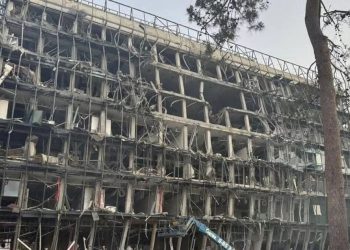
During the 12-day war, Israel used its U.S.-backed defense systems, yet these failed to prevent Iranian missiles from reaching their targets. Nasirzadeh also accused Israel of imposing tight media censorship to hide the extent of the damage caused by Iranian missiles. However, despite these efforts, reports gradually surfaced, confirming the precision and destructive power of Iran’s missile strikes.
Conclusion: Iran’s Growing Military Capabilities
With advancements in its missile technology and increasing confidence in its domestic military industries, Iran’s defense capabilities continue to strengthen. The Kheibarshekan missile’s success in the recent conflict has demonstrated Iran’s ability to overcome advanced defense systems, placing it in a more competitive position on the global military stage. As tensions continue to rise, Iran remains prepared to protect its interests and counter any future aggression with even more advanced weaponry.