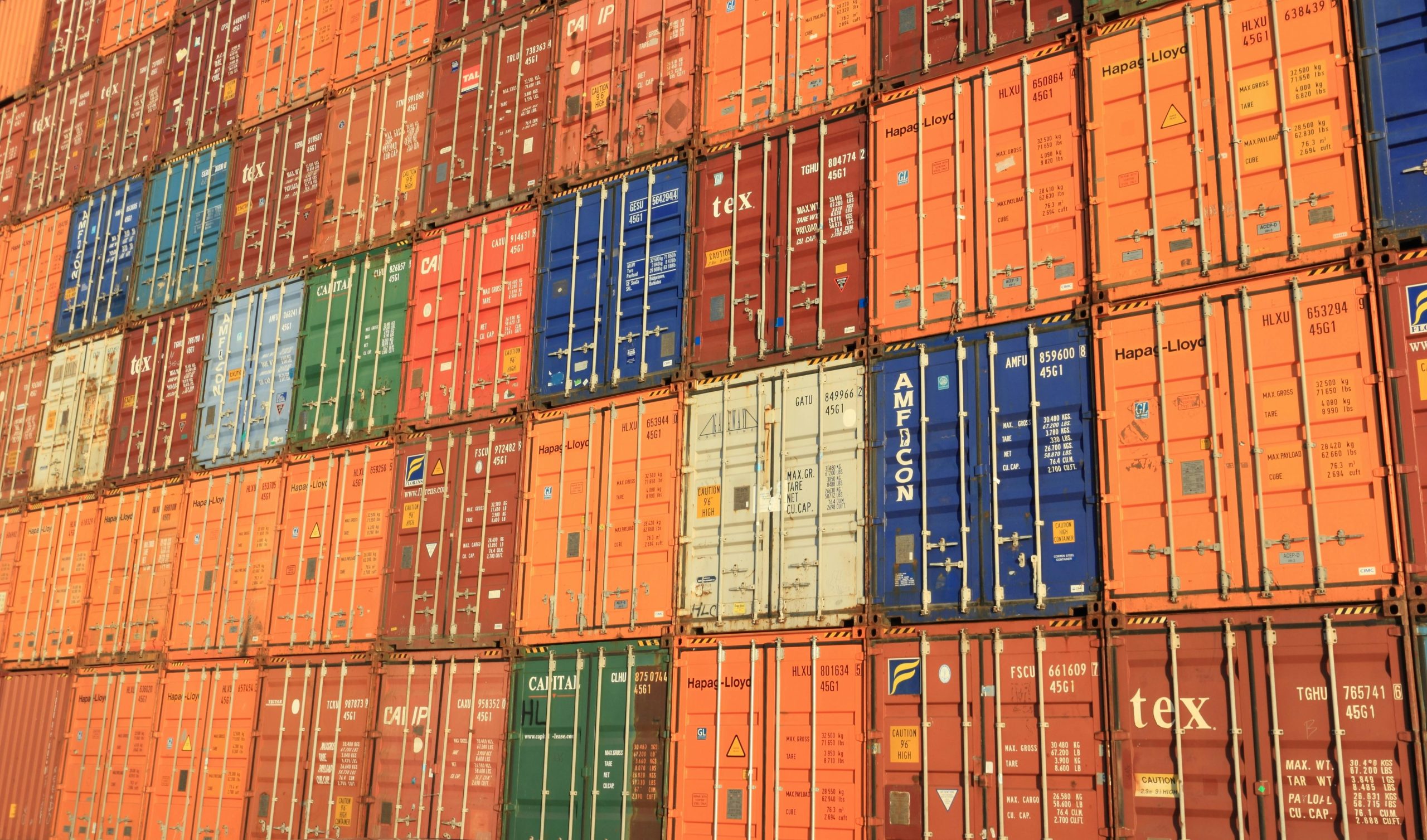
Importing goods from Turkey to Kenya presents significant business opportunities. With a wide range of high-quality products available at competitive prices, Turkey offers great sourcing options for Kenyan businesses. From textiles and machinery to electronics and agricultural equipment, Turkish products can help meet the growing demand in Kenya. However, the import process involves understanding Kenyan import rules, selecting reliable suppliers, managing shipping, and complying with customs regulations. This guide will provide a step-by-step breakdown to ensure your import process is smooth, compliant, and free from delays.
Understanding Import Regulations
Kenya Import Requirements
Before importing goods from Turkey to Kenya, it’s essential to comply with Kenya’s import regulations. The Kenya Revenue Authority (KRA) and the Kenya Bureau of Standards (KEBS) enforce these rules to protect consumers and maintain product quality.
Key documents required include:
- Import Declaration Form (IDF): Filed with KRA before shipment to calculate duties and ensure customs compliance.
- Commercial Invoice: Lists product details, quantity, unit value, total cost, and HS code.
- Certificate of Conformity (COC): Issued by a Pre-Verification of Conformity (PVoC) agent to verify the products meet Kenyan quality standards.
- Packing List: Details shipment weight, dimensions, and packaging method.
- Bill of Lading or Airway Bill: Proof of shipment for sea or air freight, including consignment details and transport fees.
Failure to provide the necessary documentation can lead to delays, fines, or rejection of goods.
Restricted and Prohibited Goods
Certain goods may require special permits, while others are outright banned from importation. Restricted items like pharmaceuticals, alcohol, and agricultural products require permits, while prohibited items such as narcotics, firearms, and counterfeit goods are not allowed.
Sourcing Products in Turkey
Turkey is a prime source of a wide range of goods, including textiles, machinery, electronics, and farming equipment. To ensure a smooth and successful import process, selecting reliable suppliers and verifying product quality is crucial.
How to Find Reliable Suppliers
Consider these options for sourcing products in Turkey:
- Business Directories & B2B Platforms: Platforms such as Turkish exporting websites and business networks help identify verified suppliers.
- Trade Fairs and Exhibitions: Events like the Istanbul International Trade Fair allow direct engagement with suppliers.
- Chamber of Commerce: Provides lists of registered suppliers and manufacturers.
Verify the supplier’s credentials by reviewing their registration details, customer reviews, and product certifications. Requesting samples before committing to bulk orders is also a good practice.
Documentation and Compliance
Proper documentation is critical for ensuring smooth customs clearance and avoiding penalties.
Essential Import Documents
The major documents required include:
- Import Declaration Form (IDF): Mandatory for all imports and processed through KRA before shipment.
- Commercial Invoice: Includes full details of goods, quantity, and total value.
- Bill of Lading or Airway Bill: Proof of shipment for sea or air freight.
- Certificate of Origin: Confirms the manufacturing country of the goods.
- Certificate of Conformity (CoC): Verifies compliance with Kenyan quality and safety standards.
- Packing List: Includes packaging details, weight, and dimensions.
- Import Permit: Required for restricted goods like pharmaceuticals or chemicals.
Why Proper Documentation Matters
Accurate and complete documentation:
- Prevents delays in customs clearance.
- Avoids penalties and fines for non-compliance.
- Ensures faster processing and shipment delivery.
Shipping and Logistics
Selection of Freight Forwarder
Choosing the right freight forwarder is key to ensuring smooth logistics. Consider the following factors:
- Experience: Ensure the freight forwarder is familiar with the Turkey-Kenya trade routes and customs rules.
- Service Offerings: Choose a company that provides full services, including customs clearance and cargo tracking.
- Cost and Transit Time: Compare prices and delivery times to find the best option for your shipment.
Dependable freight companies include FWFreight and Kenya Air Cargo.
Shipping Methods
Shipping methods depend on the type of goods, urgency, and budget:
- Sea Freight: Ideal for bulky, heavy items like machinery and textiles. Transit time from Turkey to Kenya is typically 30–45 days.
- Air Freight: Best for high-value or perishable goods like electronics and pharmaceuticals. It’s faster (7–10 days) but more expensive than sea freight.
Packaging and Labeling Requirements
Ensure products are securely packaged to prevent damage during transit. Labels should include product details, weight, and handling instructions, in compliance with Kenya Bureau of Standards (KEBS) regulations.
Customs Clearance in Kenya
Once your goods arrive in Kenya, they must pass through customs. A licensed clearing agent can simplify the clearance process by managing documentation, calculating duties, and ensuring compliance with Kenyan regulations.
Engaging a Licensed Clearing Agent
Licensed clearing agents are essential for:
- Handling the import documentation with KRA.
- Facilitating customs declarations and duty payments.
- Coordinating inspections and ensuring goods meet Kenyan standards.
Import Duties and Taxes in Kenya
Kenya applies various import taxes and duties, including:
- Import Duty: Ranges from 0% to 25%, depending on the product category.
- Value Added Tax (VAT): 16% on most imports.
- Import Declaration Fee (IDF): 2% of the CIF (Cost, Insurance & Freight) value.
- Railway Development Levy (RDL): 1.5% of the CIF value.
Best Practices for a Smooth Import Process
Follow these best practices to minimize delays and ensure efficient imports:
- Pre-shipment Inspection: Inspect goods before shipping to ensure they meet Kenyan standards.
- Prepare and Submit Documents Quickly: Ensure all paperwork is completed and submitted in advance.
- Work with a Reliable Freight Forwarder and Clearing Agent: Choose experienced partners to handle logistics and customs efficiently.
- Choose the Right Shipping Method: Select the best shipping method based on urgency and cost.
- Insure Your Shipments: Protect your goods with cargo insurance to cover loss or damage.
- Stay Updated on Import Regulations: Regularly check for updates on Kenya’s import rules and taxes.
- Manage Costs Efficiently: Plan shipments and negotiate better deals to reduce costs.
Conclusion
Importing goods from Turkey to Kenya offers tremendous business potential, especially with the variety of products available at competitive prices. By understanding and adhering to Kenya’s import regulations, sourcing from reliable suppliers in Turkey, and ensuring proper documentation and customs compliance, you can streamline your import process and avoid costly delays.