


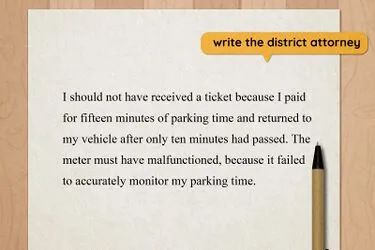
Writing a letter pleading not guilty is a formal way to contest a traffic ticket without personally appearing in court. This process allows you to maintain your innocence, request a trial, and provide written evidence to support your case. In some states, you can also submit a trial by declaration, letting you fight your ticket entirely by mail.
Step-by-Step Guide: How to Write a Letter Pleading Not Guilty
| Step | Explanation |
|---|---|
| 1. Review Your Ticket Carefully | Your traffic ticket includes details about the violation, court name, and deadlines for response. Check if it specifies how to plead not guilty—either through a form, an online portal, or a written letter. |
| 2. Collect Evidence and Witness Information | Before deciding to fight the ticket, gather supporting materials such as photos, dashcam footage, or witness statements. Strong evidence strengthens your plea and defense. |
| 3. Decide Whether to Contest or Pay | If it’s your first minor violation, traffic school may remove the offense from your record. However, if you believe you’re innocent or the citation is incorrect, pleading not guilty is appropriate. |
| 4. Take Note of Deadlines | You must file your plea before the deadline listed on your ticket—often several days before the scheduled arraignment. Late filings can result in automatic conviction or extra fees. |
| 5. Check for Required Forms | Some jurisdictions provide official “Not Guilty Plea” forms that must accompany your letter. Others may require you to include bail (the fine amount) temporarily, refundable if you win your case. |
| 6. Draft Your Letter | Write your plea in formal business format using a legible font such as Times New Roman. Clearly state your intention to plead not guilty and include your citation number, name, address, and date of the infraction. Avoid adding lengthy arguments or explanations in this initial plea. |
| Sample Template: | |
| (Your Name) | |
| (Your Address) | |
| (Date) | |
| Clerk of Court | (Court Name) |
| RE: Traffic Citation No. (Number) | |
| Dear Clerk, | |
| I am writing to enter a plea of not guilty to the traffic citation listed above. I understand that I have the right to appear for an arraignment and hereby waive that right, requesting that the court schedule a trial in this matter. Please confirm receipt of this letter and provide information regarding the next steps in the process. | |
| Respectfully, | |
| (Signature) | (Printed Name) |
| 7. Attach Necessary Documents | Include copies of your ticket (front and back), identification, and any required forms. Double-check for case or citation numbers to ensure proper filing. |
| 8. Mail the Letter Properly | Send the letter to the address listed on your ticket—usually the traffic court or clerk’s office. Use certified mail with return receipt requested so you have proof of delivery before the deadline. |
| 9. Consider Legal Advice | If your case involves an accident, injury, or serious charge (e.g., reckless driving), consult a traffic attorney before submitting your letter. They can advise whether a written plea is your best option. |
Trial by Declaration (Optional)
| Step | Explanation |
|---|---|
| 1. Confirm Eligibility | Some states allow a trial by declaration, where you submit a written defense instead of appearing in court. Contact your local DMV or court clerk to confirm availability. |
| 2. Request the Trial in Advance | You must typically request this option before your hearing date and may need to post bail (equal to your fine). This amount will be refunded if you win. |
| 3. Prepare Your Declaration | Write a clear statement of events from your perspective, provide any photographic evidence, and include witness affidavits if applicable. |
| 4. Sign and Notarize Documents | Sign under penalty of perjury, and in some states, your statement must be notarized. Keep copies of all documents for your records. |
| 5. File Your Declaration | Submit your declaration and evidence by mail or in person to the court clerk. Deadlines are usually strict—file at least 24 hours before your scheduled trial date. |
| 6. Await the Judge’s Decision | The judge will review both your declaration and the officer’s written testimony. You’ll receive the verdict and refund (if applicable) within several weeks. |
Tips
- Always verify local court rules before mailing your letter.
- Keep copies of everything you send, including tracking receipts.
- Use polite, professional language—judges and clerks appreciate clarity and respect.
Warnings
- Failing to meet filing deadlines may result in default judgment.
- Never falsify statements—letters and declarations are sworn legal documents.
- If you ignore your ticket, a warrant or license suspension could follow.
Filing a letter pleading not guilty is your right under due process. It allows you to contest the evidence against you, request a fair hearing, and potentially avoid fines, penalties, and insurance increases.




