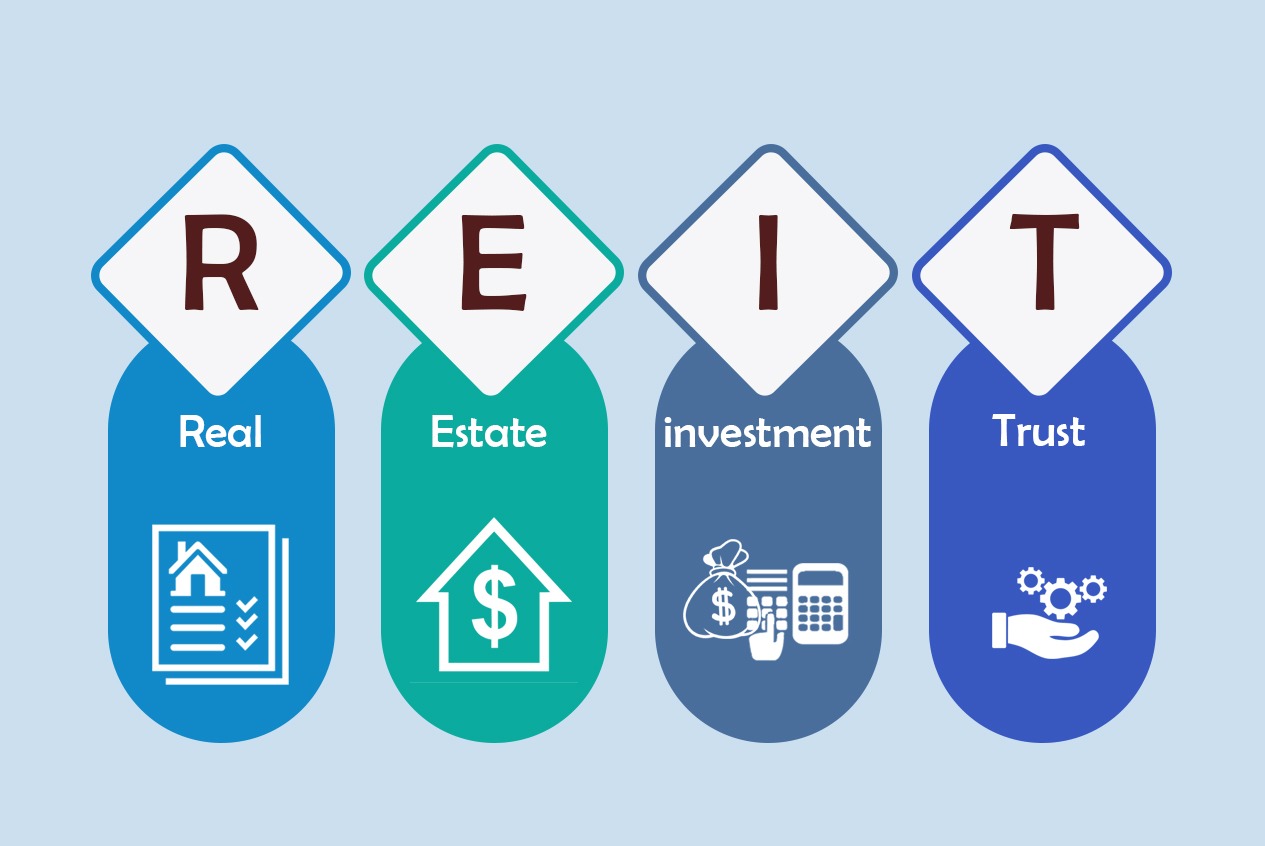
If you’re looking for a hands-off way to earn consistent cash flow without becoming a landlord, learning how to invest in REITs could be your gateway to passive income. REITs—Real Estate Investment Trusts—allow individuals to invest in income-producing real estate such as apartments, office buildings, malls, and warehouses, without owning property directly. They’re traded like stocks but backed by tangible assets, and they legally must pay out at least 90% of taxable income to shareholders in the form of dividends.
This makes REITs particularly attractive to those seeking steady returns, inflation resistance, and portfolio diversification. Whether you’re a beginner or a seasoned investor, REITs provide an accessible way to benefit from real estate’s long-term stability while enjoying the liquidity of public markets. With a wide variety of REIT types—equity, mortgage, hybrid, and sector-specific—you can tailor your investments to match your risk tolerance and income needs.
Step-by-Step Guide to Invest in REITs
1. Understand the Types of REITs
- Equity REITs: Own and operate income-generating real estate.
- Mortgage REITs (mREITs): Invest in real estate loans and mortgages.
- Hybrid REITs: Combine equity and mortgage investments.
- Public vs. Private REITs: Public REITs are listed on stock exchanges; private ones are not easily tradable.
2. Choose Your Investment Method
- Brokerage Account: Buy publicly traded REITs through platforms like Fidelity, Robinhood, Schwab, or E*TRADE.
- REIT ETFs: Diversified exposure through ETFs like Vanguard Real Estate ETF (VNQ) or Schwab U.S. REIT ETF (SCHH).
- REIT Mutual Funds: Actively managed REIT portfolios from firms like T. Rowe Price and Fidelity.
- REIT Crowdfunding Platforms: Use sites like Fundrise or RealtyMogul to access private REITs.
Benefits of REIT Investing for Passive Income
- Steady Dividend Payments: REITs must distribute 90% of their taxable income.
- Diversification: Gain exposure to commercial real estate without high capital requirements.
- Liquidity: Public REITs are easy to buy and sell, unlike physical property.
- Tax Advantages: Some REIT income may qualify for the 20% QBI deduction under U.S. tax law.
Risks to Keep in Mind
- Interest Rate Sensitivity: Rising rates can impact REIT performance.
- Market Volatility: Public REITs can fluctuate with the stock market.
- Sector Risk: Some REITs (like retail or office) may face economic pressures.
- Tax Considerations: Dividends are taxed as ordinary income unless held in a tax-advantaged account.
Tips to Maximize Passive Income from REITs
- Reinvest Dividends: Use a dividend reinvestment plan (DRIP) to compound returns.
- Diversify Across Sectors: Mix REITs from healthcare, industrial, residential, and data center sectors.
- Use Tax-Advantaged Accounts: Hold REITs in IRAs or Roth IRAs to minimize tax impact.
- Monitor REIT Performance: Track dividend yields, occupancy rates, and NAV (Net Asset Value) over time.
Final Thoughts
Knowing how to invest in REITs for passive income gives you a powerful tool for wealth generation without the stress of managing real estate directly. With strong dividend potential, liquidity, and access to a range of property types, REITs are ideal for building long-term financial security. By choosing the right REITs and using smart portfolio strategies, you can turn real estate into a reliable income stream—on your own terms.