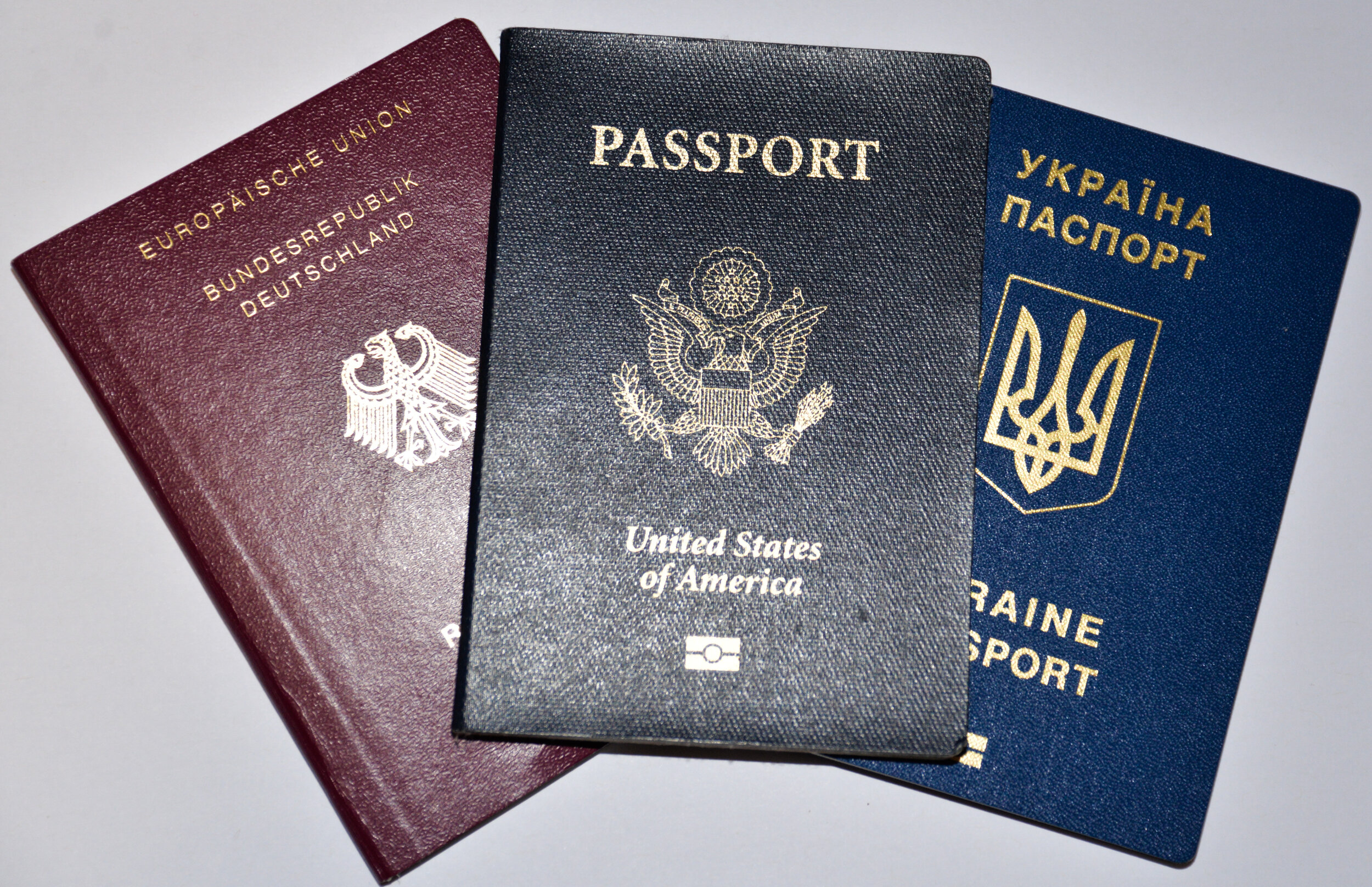
Having dual citizenship as an American can open the door to expanded travel, more job opportunities, global tax advantages, and even stronger ties to your heritage. Whether you’re interested in reclaiming a parent’s nationality, marrying a foreign national, or naturalizing in another country, it is legally possible for Americans to hold two (or more) passports—without giving up their U.S. citizenship.
The U.S. government allows dual citizenship as long as you follow the laws of both countries. However, each nation has its own rules for granting citizenship, and the process often involves proof of descent, residency, language proficiency, and loyalty oaths. This guide explores the most common paths to dual nationality for Americans and outlines the key steps to secure it legally and strategically.
Paths to Dual Citizenship for Americans
1. Citizenship by Descent (Ancestry)
Many countries—like Ireland, Italy, Poland, and Germany—offer citizenship to individuals with at least one grandparent or parent who was a citizen.
- Requires birth and marriage certificates, sometimes translated and apostilled
- Often allows full rights, including voting and property ownership
2. Citizenship by Marriage
Marrying a foreign national can lead to fast-tracked citizenship in countries such as Spain, Mexico, or Brazil.
- Most require several years of residency after marriage
- Some waive language tests or shorten application timelines
3. Citizenship by Naturalization
Living in a country long-term and meeting local residency requirements often allows for naturalization.
- Timeframes vary (e.g., 5 years in Canada, 10 in Germany)
- Requires lawful residence, language proficiency, and integration
4. Citizenship by Birth in a Foreign Country
Some countries automatically grant citizenship to children born on their soil, even if the parents are foreign nationals.
- Popular in Latin America, such as Argentina and Brazil
- Can lead to dual citizenship for both child and parent (via residency)
5. Citizenship Through Investment
Countries like Dominica, St. Kitts & Nevis, and Malta offer expedited citizenship for investors.
- Requires substantial financial commitment ($100,000+)
- Often includes visa-free travel to 100+ countries
Things to Keep in Mind
- Taxes: The U.S. taxes worldwide income. Dual citizens must still file U.S. taxes unless they renounce citizenship.
- Military Service: Some countries require mandatory service; check laws before applying.
- Loss of Other Citizenship: Not all countries allow dual nationality. Research before applying.
- Passport Use: Always use your U.S. passport to enter and leave the U.S.
Final Thoughts
Getting dual citizenship as an American can enhance your global mobility and connect you to your cultural roots or future ambitions. Whether it’s through ancestry, marriage, investment, or naturalization, the process is increasingly accessible with the right documentation and legal support. Always check both U.S. and foreign laws before applying, and consider seeking expert legal advice to simplify the journey.