
Nyongesa Sande
No Result
View All Result
  • News
    • World
    • Africa
  • Politics
  • Business
  • Tech
  • AI
  • Telecom
  • Sports
  • Opinion
  • Lifestyle
  • Live
  • World Cup 2026
    • World Cup 2026 Standings
    • World Cup 2026
Nyongesa Sande
  • About Us
    • Nyosake Designers
      • Nyosake Webmasters
      • Nyosake Investment
  • Contact Us
    • Newsroom Contact
  • Ownership Disclosure
  • Advertise
No Result
View All Result
Nyongesa Sande
No Result
View All Result
  • News
  • Politics
  • Business
  • Tech
  • AI
  • Telecom
  • Sports
  • Opinion
  • Lifestyle
  • Live
  • World Cup 2026
ADVERTISEMENT

Home » How to Blow Out RV Water Lines

How to Blow Out RV Water Lines

A step-by-step guide to safely winterize your RV with compressed air

NyongesaSande News Desk by NyongesaSande News Desk
9 months ago
in How To
Reading Time: 4 mins read
A A
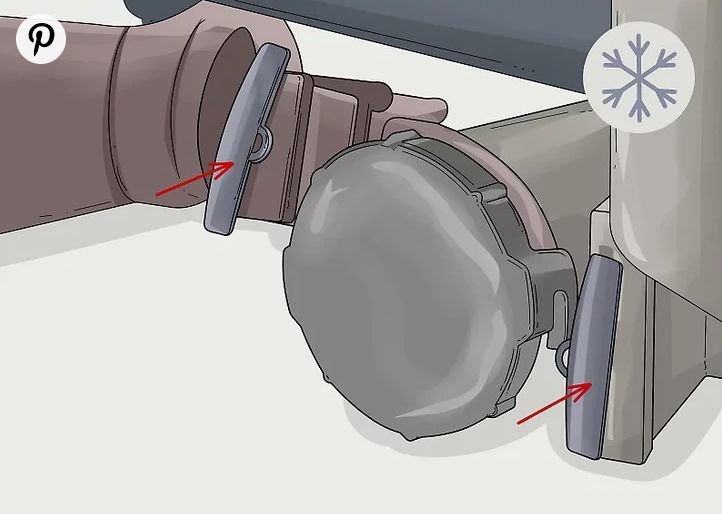
Close-up illustration of RV drain valves used to blow out water lines with air for winterizing the system.

RV drain valves shown in the open position, demonstrating how to blow out water lines with compressed air to prevent freezing. ©wikiHow

When winter approaches, protecting your RV’s plumbing is crucial. One of the best methods is to blow out RV water lines with compressed air. This process clears water from pipes and tanks, preventing freezing and burst damage during storage. By following this simple, affordable method, you can winterize your RV effectively without using gallons of antifreeze.

  • Guide Table: How to Blow Out RV Water Lines
  • Step-by-Step Instructions
  • Maintenance Tips
  • Things You’ll Need

Guide Table: How to Blow Out RV Water Lines

StepActionPro Tip
1. Drain Water TanksEmpty the fresh, gray, and black tanks completely.Always drain the black tank first to clean out sewage lines.
2. Shut Off PowerTurn off gas and electricity to your water heater.Let it cool overnight before draining.
3. Open Drains and FaucetsOpen all valves to release trapped water.Flush toilets to empty internal lines.
4. Attach Blowout PlugConnect a blowout plug to the RV’s freshwater inlet.Tighten it securely to prevent leaks.
5. Connect the CompressorUse a 30 PSI compressor with an adjustable regulator.Avoid pressures above 50 PSI to protect lines.
6. Blow Out FaucetsRun hot and cold water lines until no water remains.Start from the kitchen sink and move to bathrooms.
7. Flush AccessoriesClear toilets, showers, ice makers, and outdoor faucets.Don’t forget outside water ports and sprayers.
8. Seal and StoreDisconnect hoses, close valves, and cover vents.Leave faucets slightly open for airflow.

Step-by-Step Instructions

1. Drain the Water Lines and Tanks
Shut off the power to your RV’s water heater and let it cool overnight. Open the drain valves for the freshwater, black, and gray water tanks. Attach a sewer hose to direct waste into an approved dump station. Once drained, turn off the water pump and disconnect the water supply.

2. Prepare the Air Compressor
Get a small portable compressor with at least a 2-gallon air tank. Attach a blowout plug to the RV’s freshwater inlet and connect the compressor hose. Adjust the pressure to 30 PSI to avoid damaging pipes. If your compressor has no regulator, attach one externally.

ADVERTISEMENT

3. Blow Out the Water Lines
Open a faucet inside the RV and activate the air compressor. Start with hot water, then switch to cold once water stops flowing. Repeat for every sink, shower, and faucet in the RV. Work systematically from the kitchen to the bathroom to ensure every line is cleared.

4. Flush Extra Fixtures
Press the toilet flush lever, clear out the showerhead, and activate any appliances connected to the plumbing—such as ice makers, dishwashers, or outdoor showers. Continue blowing air through each until no water emerges.

ADVERTISEMENT

5. Disconnect and Seal
Turn off the compressor, release any remaining air pressure, and disconnect the hose and plug. Close all drain valves and water heater outlets. Keep faucets open slightly to prevent vacuum lock, and your RV will be ready for cold storage.


Maintenance Tips

  • Pour 1 cup of RV-safe antifreeze into each drain for extra freeze protection.
  • Disconnect and store your RV battery in a warm, dry area.
  • Inspect seals, vents, and hoses before covering your RV for the season.

Things You’ll Need

  • Air compressor (2+ gallon capacity)
  • Blowout plug adapter
  • Air hose with regulator
  • Sewer hose and elbow joint
  • Socket wrench
  • Rubber gloves
  • Extension cord (optional)

Properly learning how to blow out RV water lines will keep your vehicle’s plumbing safe through harsh winters. This simple do-it-yourself technique saves time, money, and costly spring repairs—ensuring your RV is ready for adventure when the warm weather returns.

Share1Tweet1SendShareScanSharePinShareShare
Google Add as a Preferred Source on Google
Previous Post

How to Winterize an RV

Next Post

How to Use an RV Water Heater

NyongesaSande News Desk

NyongesaSande News Desk

Nyongesa Sande offers diverse content across news, technology, entertainment, and more, aiming to provide readers with a wide range of informative and engaging articles. NYONGESA SANDE's dedicated team provides our audience not only with the highly relevant news but also with outstanding interactive experience.

Related Posts

How to Weld a 2-Block Rectangular Hollow Block Mold: Measurements, Materials and Step-by-Step Guide
How To

How to Weld a 2-Block Rectangular Hollow Block Mold: Measurements, Materials and Step-by-Step Guide

2 months ago
How to Create a Facebook Account on iPhone App
How To

How to Fix Facebook Confirmation Email Not Received

2 months ago
How to Create a Facebook Account on iPhone App
How To

How to Fix Facebook Confirmation Code Not Received

2 months ago
How to Create a Facebook Account on iPhone App
How To

How to Confirm Your Facebook Email or Phone Number

2 months ago
How to Create a Facebook Account on iPhone App
How To

How to Understand Your Facebook Account and Profiles

2 months ago
How to Create a Facebook Account on iPhone App
How To

How to Fix Facebook Name Not Accepted

2 months ago
Load More
Next Post
Close-up illustration of an RV water heater valve with a hose connection and control knob for water flow.

How to Use an RV Water Heater

Illustration showing how to 90-degree park a large SUV using hazard lights and careful alignment in a parking lot.

How to 90 Degree Park Large SUVs

ADVERTISEMENT

Who We Are

Nyongesa Sande

NyongesaSande.com is a digital news and media platform covering breaking news, business, technology, AI, politics, sports, world affairs and African innovation.

News Sections

  • News
    • World
    • Africa
  • Politics
  • Business
  • Tech
  • AI
  • Telecom
  • Sports
  • Opinion
  • Lifestyle
  • Live
  • World Cup 2026
    • World Cup 2026 Standings
    • World Cup 2026

Editorial Standards

  • Editorial Policy
  • Fact Checking Policy
  • Corrections Policy
  • Ethics Policy
  • AI Usage Policy
  • News Tips
  • Submit Press Release

Legal

  • Privacy Policy
  • Terms of Use
  • Cookie Policy
  • Risk Disclaimer
  • Disclaimer
  • DMCA
  • Ad Choices

Our Company

  • About Us
    • Nyosake Designers
      • Nyosake Webmasters
      • Nyosake Investment
  • Contact Us
    • Newsroom Contact
  • Ownership Disclosure
  • Advertise
  • Privacy Policy
  • Terms of Use
  • Cookie Policy
  • Risk Disclaimer
  • Disclaimer
  • DMCA
  • Ad Choices

NyongesaSande.com is an independent digital news and media platform covering Africa, business, technology, AI, politics and global developments.

© 2026 NyongesaSande.com. All rights reserved.

No Result
View All Result
  • News
    • World
    • Africa
  • Politics
  • Business
  • Tech
  • AI
  • Telecom
  • Sports
  • Opinion
  • Lifestyle
  • Live
  • World Cup 2026
    • World Cup 2026 Standings
    • World Cup 2026

NyongesaSande.com is an independent digital news and media platform covering Africa, business, technology, AI, politics and global developments.

© 2026 NyongesaSande.com. All rights reserved.