


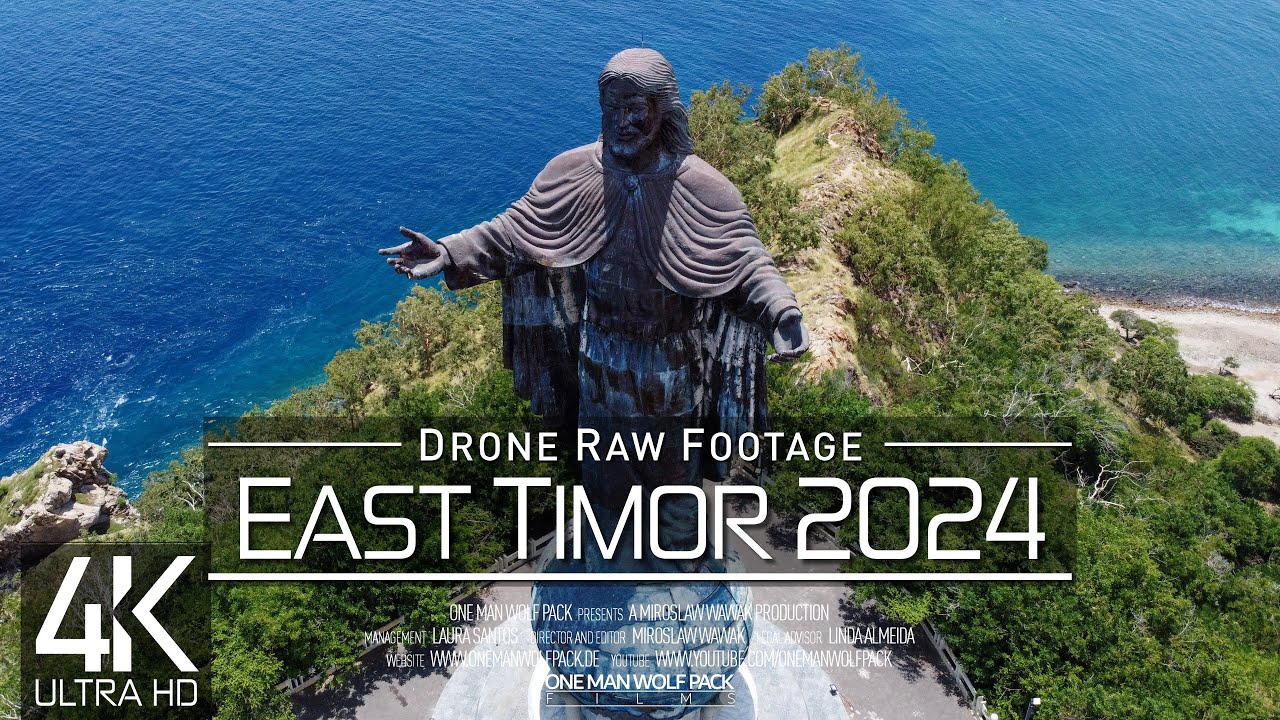
Planning to film in Timor-Leste? Whether you’re shooting a documentary, commercial, or feature film, you must secure a film shooting permit. This official guide outlines how to apply for a film shooting permit in Timor-Leste, including steps, requirements, fees, and timelines for 2025.
Step 1: Research Your Filming Location
Identify the exact locations you plan to film in:
- Public parks, streets, government buildings, and natural reserves may each have different rules.
- Some locations require additional environmental or community approvals.
Always start by reviewing the filming regulations for each specific area.
Step 2: Contact the Film Authority
Reach out to Autoridade Nacional do Audiovisual e Cinema (ANAC):
📍 Address: Rua Dili, Caicoli, Dili, Timor-Leste
📞 Phone: +670 7723 6109
📧 Email: [email protected]
They will guide you through requirements based on your filming plan.
Step 3: Submit Your Script and Filming Details
Prepare a detailed project brief:
- Full script or synopsis
- Shooting schedule
- Crew size and names
- Equipment list (including drones, if any)
- Description of special effects, stunts, or night shoots
This helps authorities assess logistics, safety, and legal concerns.
Step 4: Meet Insurance Requirements
You must submit proof of liability insurance. It should cover:
- Potential injury to crew or public
- Equipment damage
- Location damage
Ensure your coverage aligns with local standards.
Step 5: Get Location Permissions
If filming on:
- Private property: Get signed permission from the owner
- Public land: Seek written authorization from relevant authorities
Include any location agreements with your application.
Step 6: Assess Environmental and Safety Impacts
You may be required to submit:
- Environmental Impact Assessment (if filming in sensitive areas)
- Safety and Emergency Plans outlining crew protocols, equipment handling, and public interaction
Step 7: Provide Film Crew Details
Include a list of crew members and their roles:
- Director, cinematographer, producer, assistants, etc.
- Contact information for each team member
This ensures transparency and helps coordinate emergency response if needed.
Step 8: Pay Applicable Fees
Permits often require payment based on:
- Filming location
- Scale and duration of shoot
- Use of drones, night scenes, or special effects
Check with ANAC for current fee structures.
Step 9: Complete and Submit the Application
Ensure your Film Shooting Permit Application Form is:
- Fully completed
- Includes all supporting documents
- Submitted via email or in-person at ANAC
Incomplete applications will be rejected.
Step 10: Await Approval
The processing time usually ranges from 30 to 90 days depending on project complexity and location sensitivity. Authorities may contact you for:
- Additional documents
- Clarifications on schedule or logistics
Step 11: Comply with Permit Conditions
Once approved, follow permit regulations strictly:
- Respect location rules (e.g. noise limits, filming hours)
- Do not block roads or public access without pre-clearance
- Clean up filming areas post-production
Step 12: Post-Filming Requirements
After the shoot, you may need to submit:
- Production reports
- Updates on changes to the approved schedule
- Evidence of location restoration if applicable
Required Documents
Prepare these documents before applying:
- Completed Film Shooting Permit Application Form
- Script and full filming details
- Proof of insurance
- Location permissions (public/private)
- Crew member list with contacts
- Environmental and safety plans (if required)
- Equipment list, including drone registration (if used)
- Proof of fee payment
Eligibility Criteria
To be eligible for a film permit in Timor-Leste:
- You must have a valid production company or authorized organization
- Your project must have a clear and legal script or synopsis
- You must hold adequate insurance
- You must comply with local laws and content standards
Permit Validity
Your filming permit is valid only for the dates and locations specified in the application. Any changes must be reported and re-approved.
Why a Film Shooting Permit Is Necessary
A permit ensures:
- Legal authorization to film in public or restricted spaces
- Public safety and minimal disruption
- Respect for property, culture, and environment
- Access to support from local authorities during emergencies
Useful Tips
- Apply early – especially if filming during peak tourism or festival seasons
- Be transparent – provide full details to avoid delays
- Expect follow-ups – some locations may ask for site visits or additional paperwork
External Resources
Conclusion
Understanding how to apply for a film shooting permit in Timor-Leste is crucial for a smooth production. Follow the process step by step, stay compliant with legal and environmental norms, and collaborate with local authorities to ensure a successful shoot in 2025.


