


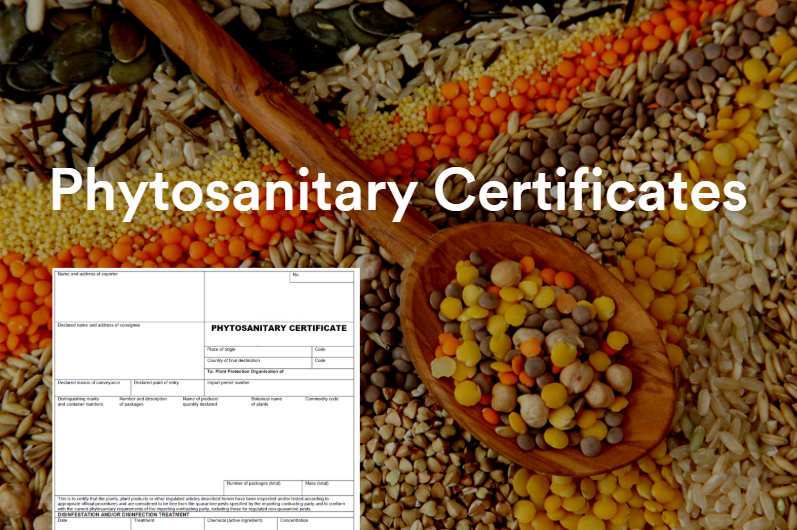
If you’re planning to export plants, seeds, or agricultural produce from Timor-Leste, you’ll need a Phytosanitary Certificate. This certificate confirms that your agricultural goods comply with the plant health standards of the importing country. Below is a complete guide on how to apply for a phytosanitary certificate in Timor-Leste in 2025.
Step 1: Contact the Department of Plant Protection
All applications must be submitted to:
📍 Department of Plant Protection for Agriculture and Horticulture
National Directorate of Agriculture and Horticulture
Ministry of Agriculture, Forestry, and Fisheries
Avenida Presid. Nicolao Lobato, Comoro – Dili
📍 Timor-Leste
Visit or contact the department to initiate the application process.
Step 2: Prepare Your Application Request
Your application must include the following required information:
- Category of application (type of goods)
- Package type and quantity
- Area of production
- Country of origin and destination
- Mode of transport (air, sea, road)
- Entry and exit points
- Exporter’s full address and contact info
Include this information clearly in your request letter or email to the Department.
Step 3: Gather Required Documents
Attach the following to your application:
- Written application request
- Commercial invoice for the consignment
- Packing list
- Import permit from the receiving country (mandatory)
Make sure all documents are in order and consistent with the shipment details.
Step 4: Submit the Application
You can deliver your documents in person or send them by mail to the Department of Plant Protection. Ensure all forms are completed and signed. Incomplete applications will not be processed.
Step 5: Schedule and Complete Inspection
Once your application is reviewed and accepted, the department will:
- Schedule an on-site inspection of the goods
- Check for pests, diseases, and compliance with international standards
- Conduct sample testing if necessary
Inspection must yield satisfactory results for the certificate to be issued.
Step 6: Pay the Required Fee
Consult the officer in charge for the applicable fee. Fees may vary depending on:
- Type and quantity of goods
- Type of transport
- Additional testing or documentation required
Always request a receipt for payment.
Step 7: Receive Your Phytosanitary Certificate
If your shipment passes inspection and all conditions are met:
- The Phytosanitary Certificate will be issued for that specific consignment
- You may collect the certificate or receive it through an agreed delivery method
Note: The certificate is valid only for one shipment. Each new consignment requires a new certificate.
Eligibility Criteria
To apply, you must be a:
- Registered exporter or
- Authorized importer dealing with plant-based products or produce subject to phytosanitary regulations.
Why You Need a Phytosanitary Certificate
A Phytosanitary Certificate is essential for:
- Exporting plants, seeds, or agricultural products legally
- Proving your shipment is free from pests and diseases
- Meeting international plant quarantine standards
- Avoiding delays, rejections, or penalties at border checkpoints
Processing Time
- The full process typically takes 5 to 15 working days
- May extend depending on the complexity of inspection and completeness of submitted documents
Other Uses of the Certificate
- Can be used for customs clearance and international trade documentation
- Required for plant material quarantine approvals
- Acts as evidence of product compliance in trade disputes or audits
Helpful Tips
- Apply well before your shipment date to allow time for inspection
- Check import requirements of the destination country beforehand
- Maintain clear communication with inspection officers to avoid delays
- Ensure your packing and labeling comply with international standards
External Resources
- Timor-Leste Ministry of Agriculture Website (Coming Soon)
- International Plant Protection Convention (IPPC)
Conclusion
Understanding how to apply for a phytosanitary certificate in Timor-Leste is vital for any exporter of agricultural or plant products. With the right documents, proper inspection, and timely submission, you can ensure a smooth and legal export process in 2025.


