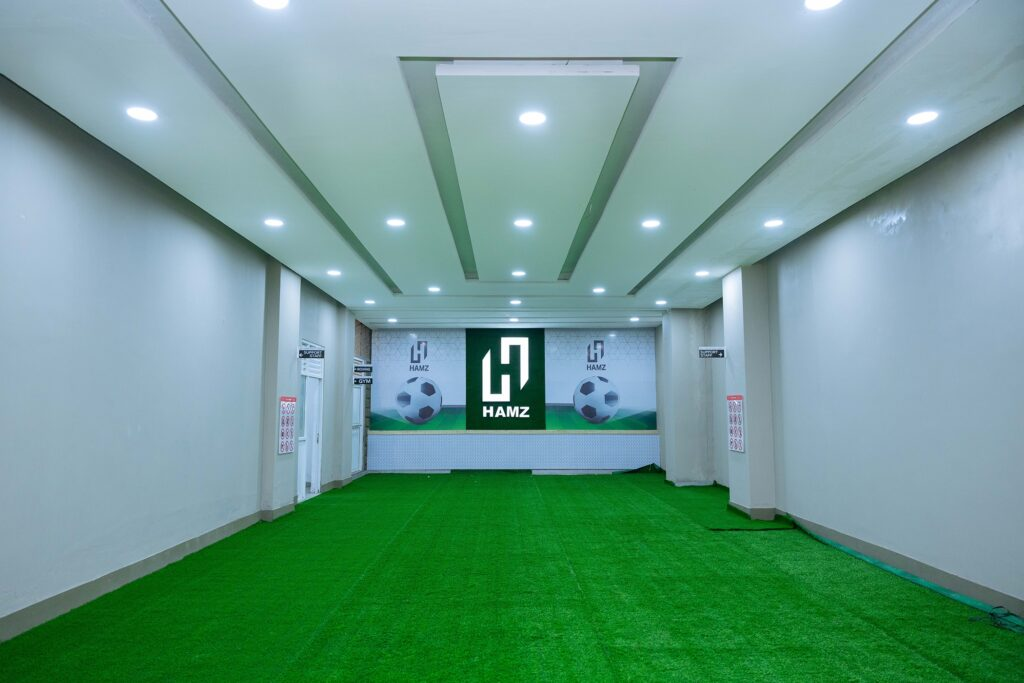
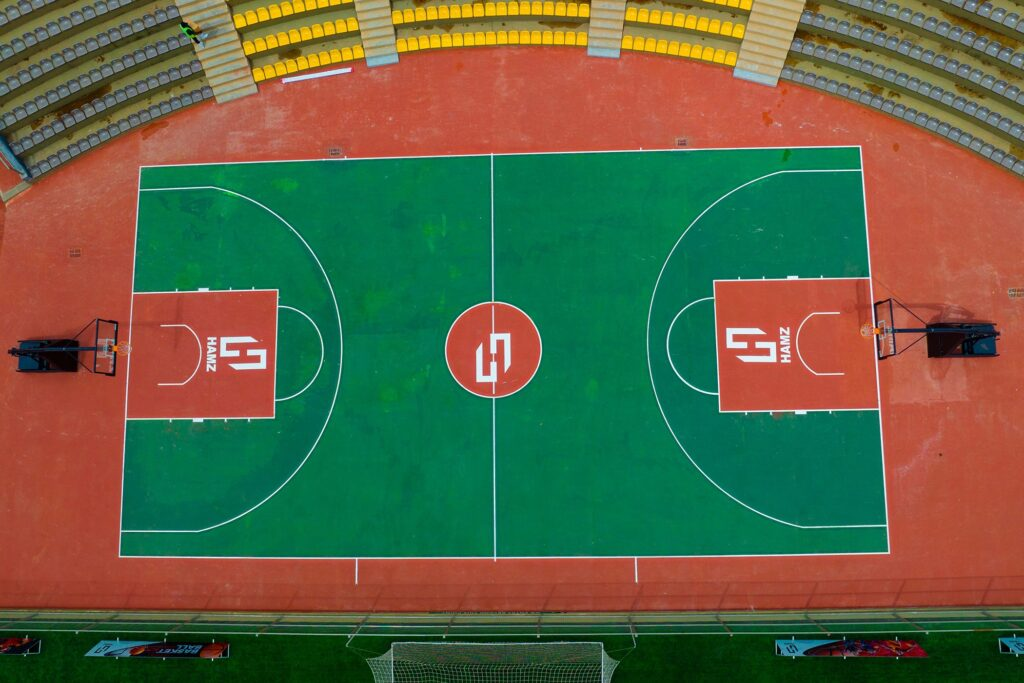
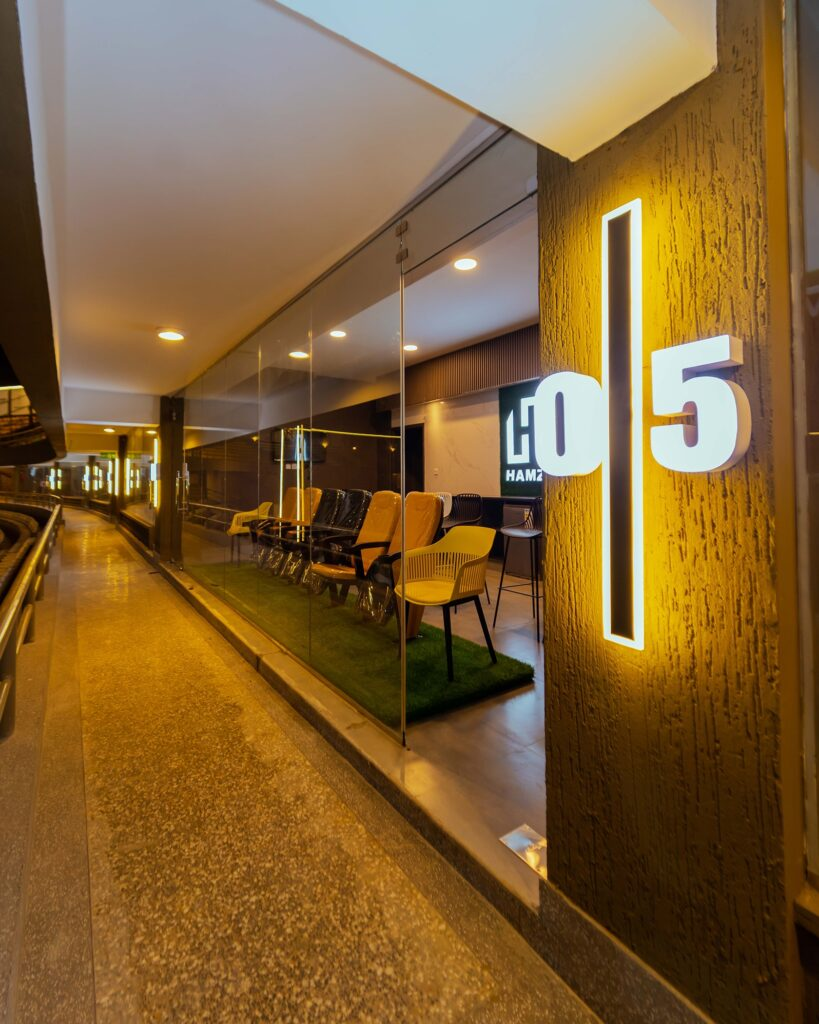
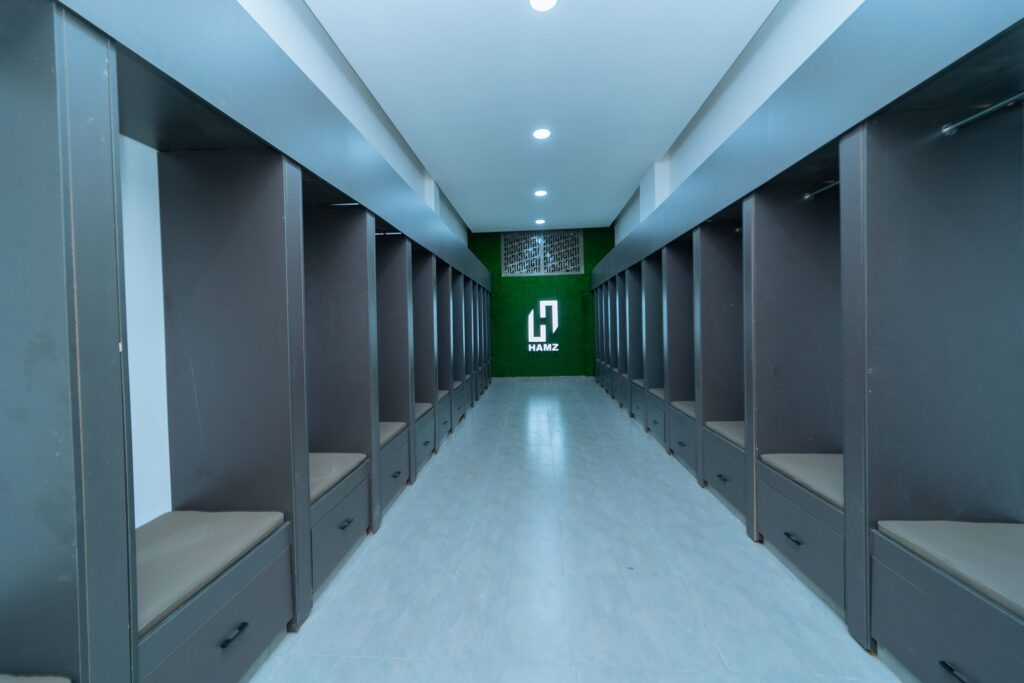
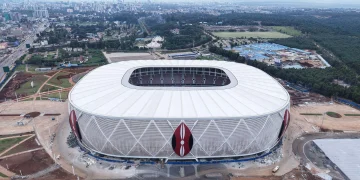
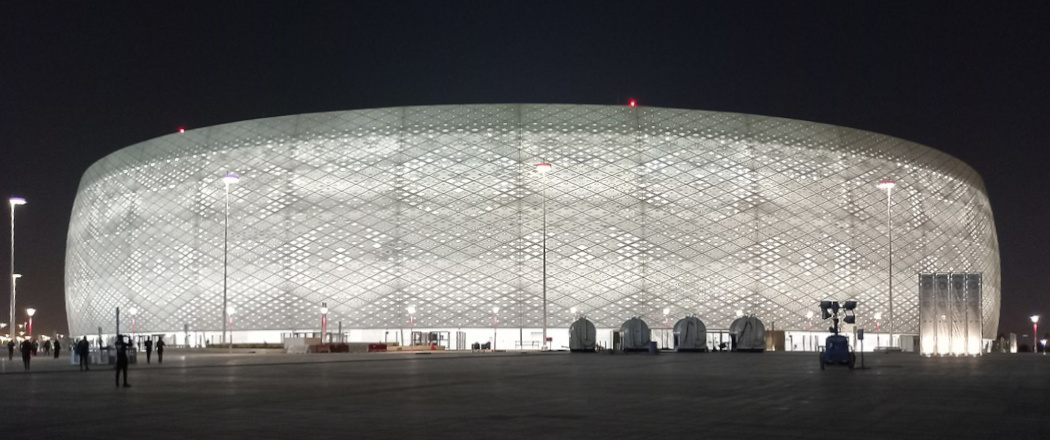
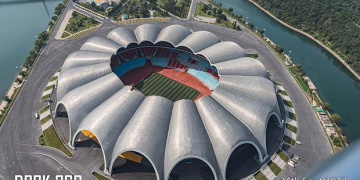
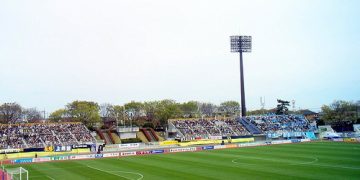
Hamz Stadium commonly referred to as Nakivubo Stadium at Nakivubo War Memorial Grounds, is a multi-purpose stadium in Kampala, Uganda. It is currently not in use but was previously used mostly for football matches and served as the home venue of SC Villa. The stadium had a capacity of 30,000 people, after the 2013 renovations, but prior to the ongoing 2017 renovations.
Official Website: hamzstadium.com
Towering over the revitalized heart of Kampala, Hamz Stadium stands as a testament to the vision and unwavering dedication of businessman Hamis Kiggundu. This architectural marvel replaces the once dilapidated Nakivubo War Memorial Stadium, transforming the landscape and injecting a fresh dose of excitement into the city’s sports scene.
Kiggundu’s ambitious vision faced initial hurdles, met with skepticism and resistance from various stakeholders. Yet, undeterred by doubt, he held fast to his belief in the project’s potential. His determination and unwavering commitment, fueled by a passion for sports and a desire to contribute to Uganda’s development, served as the driving force behind the project’s success.
History of Hamz Stadium
The stadium that was initially established in 1926, was improved and modernized in 1954 by the British colonial government to commemorate the lives of Ugandans killed during the Second World War following the passage of the “Nakivubo War Memorial Act” by the Parliament of Uganda.
In 2000, the stadium hosted a match of the Uganda national football team with all players wearing a FC Internazionale Milano jersey. They were fined for that.
In early 2013, the stadium was closed by the Uganda Revenue Authority for a period of about one month, over “accumulated debts.” It was re-opened after payment arrangements had been agreed upon.
The stadium was also shut down in May 2011, but re-opened after only a week after payment plans were negotiated.[11][12]
The stadium was reopened and hosted the third round, second leg of the CAF U-17 Championship, a game between Uganda and Zambia, on 27 September 2014
But the impact of Hamz Stadium extends far beyond the realm of sports. Kiggundu’s substantial investment of over US$200 million has served as a catalyst for economic growth in Kampala. Jobs were created during the construction phase, and the stadium’s operations are expected to generate further economic activity, boosting local businesses and contributing to the city’s overall financial vibrancy.
On a deeper level, Hamz Stadium stands as a beacon of inspiration for aspiring entrepreneurs and individuals across Uganda. Kiggundu’s unwavering commitment and success serve as a powerful testament to the transformative power of hard work, determination, and a strong vision. His story demonstrates that even the most seemingly impossible goals are achievable through unwavering dedication and a belief in one’s dreams.
As preparations gear up for the official opening of Hamz Stadium on December 9, 2023, with President Yoweri Museveni expected to preside over the ceremony, a sense of anticipation hangs heavy in the air. This momentous event marks a significant milestone in Ugandan sports history and signals the dawn of a new era for the city of Kampala. With its impressive facilities, positive economic impact, and inspiring story, Hamz Stadium stands as a symbol of hope, progress, and a vibrant future for Uganda’s sporting landscape and the city at its heart.
Hamz Stadium Gallery