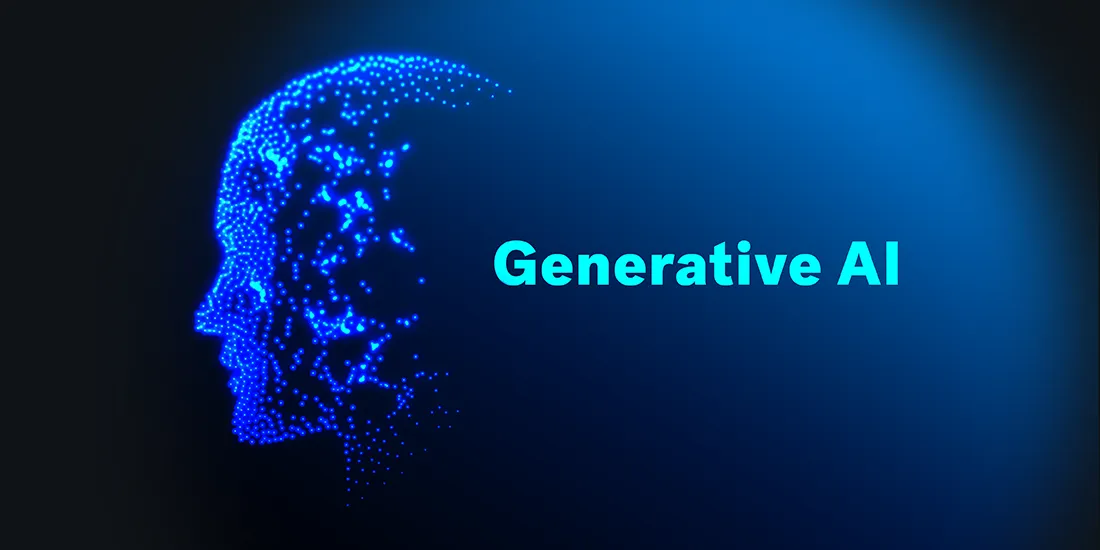
In 2025, generative AI platforms are no longer futuristic novelties—they’re critical infrastructure across sectors like media, software, marketing, design, and enterprise automation. These platforms enable machines to generate content that was once the sole domain of human creativity: text, images, video, code, music, and even 3D environments.
🤖 1. What Are Generative AI Platforms?
Generative AI platforms 2025 are advanced software systems powered by large language models (LLMs), transformers, and diffusion models that can produce human-like outputs from data prompts. They handle everything from story writing to film editing, software building, and virtual experience design.
These platforms support:
- Prompt-to-product workflows
- API integrations with creative tools
- Multi-modal generation (text, audio, video, images)
- Low-code/no-code interfaces
- Enterprise-level scalability and compliance
🧠 2. Key Capabilities of Generative AI Platforms
✅ Text Generation
From blogs and marketing copy to research reports and scripts, platforms generate long-form content aligned with tone, voice, and SEO goals.
✅ Image & Design Creation
AI generates product mockups, social media graphics, UI layouts, and branding kits from natural language descriptions.
✅ Code Generation & Debugging
Developers use platforms to auto-generate functions, build software modules, or translate code between languages.
✅ Video & Audio Synthesis
Generate narrated videos, music scores, synthetic voices, or animation sequences—all from prompts or sample data.
✅ Data-Driven Simulation
In scientific, industrial, and gaming fields, generative platforms create realistic simulations or virtual assets for prototyping and training.
🛠️ 3. Examples of Generative AI Use Cases
| Industry | Application |
|---|---|
| Media & Publishing | Article writing, image illustration, podcast scripting |
| Software Development | Code generation, automated testing, documentation creation |
| Marketing & Sales | Product descriptions, campaign slogans, ad visuals |
| Fashion & Design | AI-created clothing lines, logo variations, spatial layouts |
| Education | Lesson planning, quiz creation, interactive learning tools |
| Gaming | 3D world generation, character design, procedural storytelling |
📈 4. Benefits of Generative AI Platforms
- Massive Productivity Gains: Generate high-quality assets in minutes
- Cost Efficiency: Reduce reliance on large design, writing, or dev teams
- Personalization at Scale: Generate user-specific outputs for marketing, training, or entertainment
- 24/7 Output: AI doesn’t need rest, enabling always-on content pipelines
- Accelerated Prototyping: Test more concepts faster in R&D or UX
🚀 5. Trends in Generative AI Platforms 2025
- Multimodal AI Interfaces: Platforms now handle input/output across text, image, voice, and video simultaneously
- Autonomous Agents: Generative models drive task-oriented bots that research, reason, and execute
- Regulatory-Compliant Generation: Enterprise tools now include bias detection, fact-checking, and output audits
- Custom-Tuned Models: Organizations are fine-tuning LLMs to reflect company tone, internal data, or proprietary styles
- Real-Time Collaboration: Multiple users and AI can now co-create content live in shared environments
⚠️ 6. Limitations and Risks
- Hallucination Risk: Some outputs may be plausible but false, especially in complex topics
- Copyright & IP Conflicts: AI-generated content may unknowingly replicate protected works
- Bias & Ethics: Outputs can reflect racial, cultural, or political bias embedded in training data
- Dependence on Prompt Quality: Vague or poorly constructed prompts often yield low-quality results
- Compute Costs: Running large-scale generative systems may require substantial GPU resources
🧩 7. Choosing the Right Generative AI Platform
When selecting a platform in 2025, evaluate:
- Modalities Supported – Text-only vs. multimodal (text+image+audio+video)
- Model Architecture – Transformer vs. diffusion, and open-source vs. proprietary
- Customization Options – Fine-tuning on your brand, audience, or workflow
- Security & Compliance – SOC 2, GDPR, HIPAA compliance for enterprise use
- Developer Tools – Availability of SDKs, APIs, and plugin integration
💼 8. Enterprise Adoption of Generative AI Platforms
Large organizations are embedding generative AI into their operations:
- Marketing teams automate campaign copy and visuals
- Legal departments generate contract templates
- HR departments create onboarding materials and training videos
- Product teams prototype UI/UX with AI design tools
- Executives use AI to draft reports, summaries, and presentations
Conclusion
By 2025, generative AI platforms have moved from novelty to necessity. They empower teams to think bigger, move faster, and create more—without traditional constraints on time, talent, or technical know-how. Whether you’re a startup founder, creative agency, or global enterprise, now is the time to embrace this generative future.