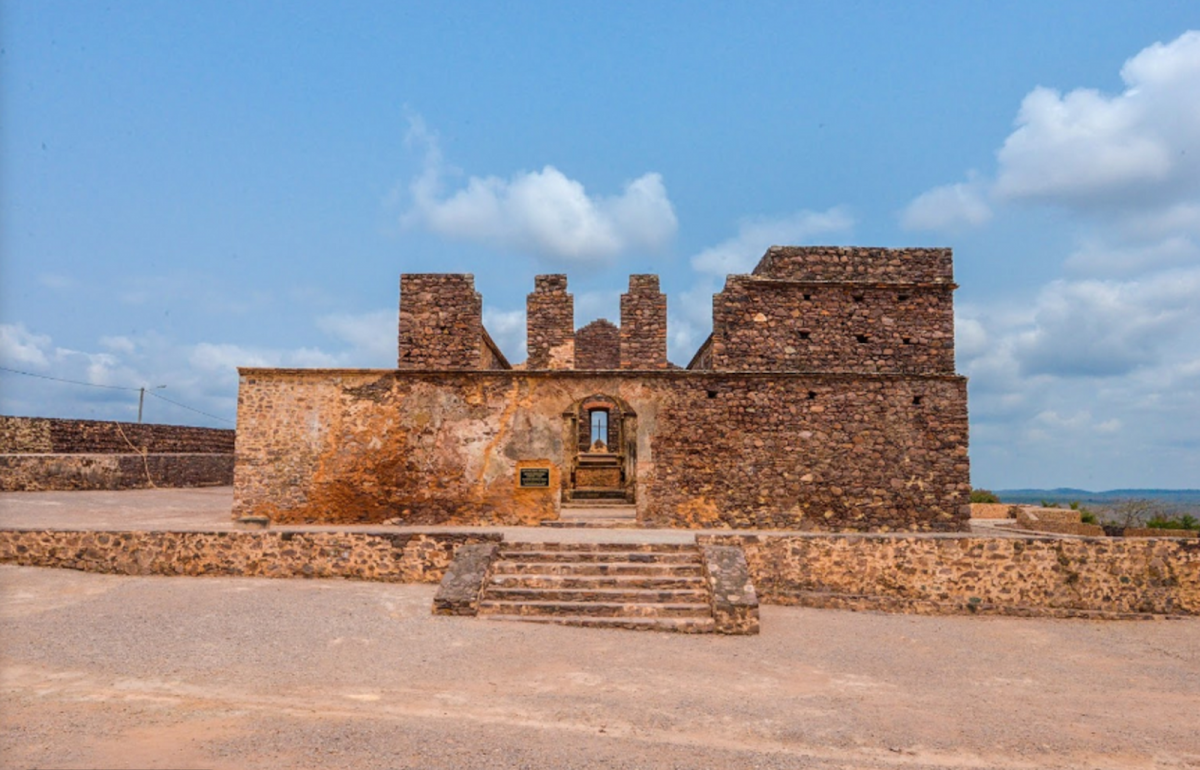
Perched on the eastern bank of the Cuanza River in Cambambe, Cuanza Norte Province, Angola, the Fortress of Kambambe (or Fortaleza de Cambambe) is a 17th-century Portuguese military structure that played a pivotal role in the colonial conquest of Angola. Built as a foothold to expand Portuguese influence into the African interior, the fort also served as a hub for the transatlantic slave trade, with devastating consequences for the local population. Today, it stands as a state-protected ruin, preserved by the Angolan Ministry of Culture, and was placed on UNESCO’s Tentative World Heritage List in 1996 for its cultural significance.
Historical Context: Military Conquest and Colonial Expansion
The Fortress of Kambambe was constructed in 1604, during the tenure of Governor João de Lencastre, though the inscription on the baroque-style pediment above the entrance reads 1691, suggesting later enhancements or repairs. The structure was strategically established to serve as a support base for Portuguese incursions into the Angolan hinterland via the navigable Cuanza River.
Portugal’s occupation of Cambambe was met with intense resistance from local communities, making it one of the costliest early colonial campaigns in Angola. Despite the high human and material toll, the fortress was successfully established as part of Portugal’s effort to dominate inland trade routes and impose colonial authority.
Role in the Slave Trade and Illicit Activities
The fortress wasn’t merely a military garrison—it also played a sinister role in organizing slave raids and detaining captives. It served as:
- A detention center for prisoners, including enslaved Africans
- A storage site for goods bound for colonial markets in the Americas
- A launch point for attacks on neighboring villages to capture slaves
Cambambe emerged as a notorious center for illegal activity, deeply embedded in the infrastructure of the Atlantic slave trade. Thousands of men, women, and children were forcibly taken through this route and transported across the Atlantic.
Architectural Design and Features
The Fortress of Kambambe exemplifies 17th-century Portuguese military architecture, particularly the square layout with four corner bastions, designed to allow defensive artillery to cover all angles of approach.
Key features include:
- Emblazoned entrance gate with baroque influences
- Pediment marked with “1691”, topped by the Portuguese coat of arms
- Bronze and iron cannons, once stationed for artillery defense
- Internal chambers that were once used for holding prisoners and storing supplies
Though the fort has since fallen into ruin, many of its structural elements remain intact, offering a visual testament to the militarization of colonial trade.
Cultural Status and Preservation
Recognizing its historical and architectural significance, the Fortress of Kambambe was declared a National Monument by Provincial Decree No. 67 on May 30, 1925. Today, it is classified as state property, with the Angolan Ministry of Culture tasked with its maintenance, conservation, and potential restoration.
In 1996, the site was officially placed on UNESCO’s Tentative List under the Cultural category, signaling international interest in its heritage value and potential for full World Heritage inscription.
Legacy and Importance
The Fortress of Kambambe is a compelling site of memory—symbolizing both the brutality of colonial conquest and the strategic infrastructure that enabled European domination in Central Africa. It represents:
- The Portuguese expansion into the African interior
- The violence and resistance that defined colonial encounters
- The devastating role Angola played in the transatlantic slave trade
As scholars, tourists, and policymakers revisit Angola’s colonial past, sites like Kambambe provide critical touchpoints for reflection, education, and reconciliation.