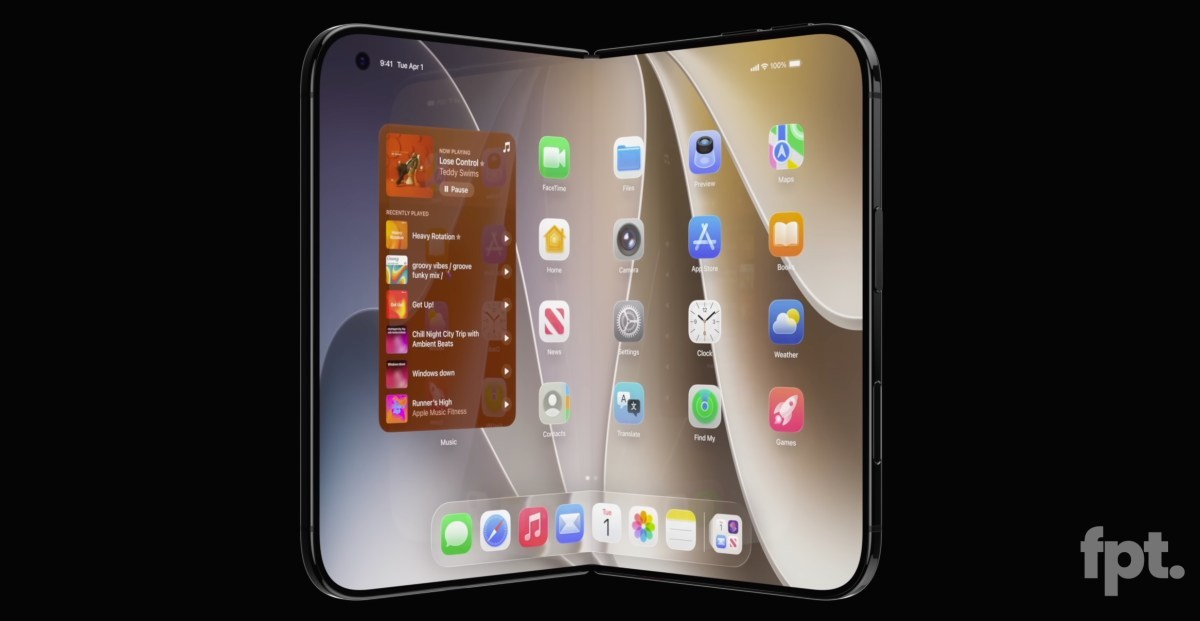
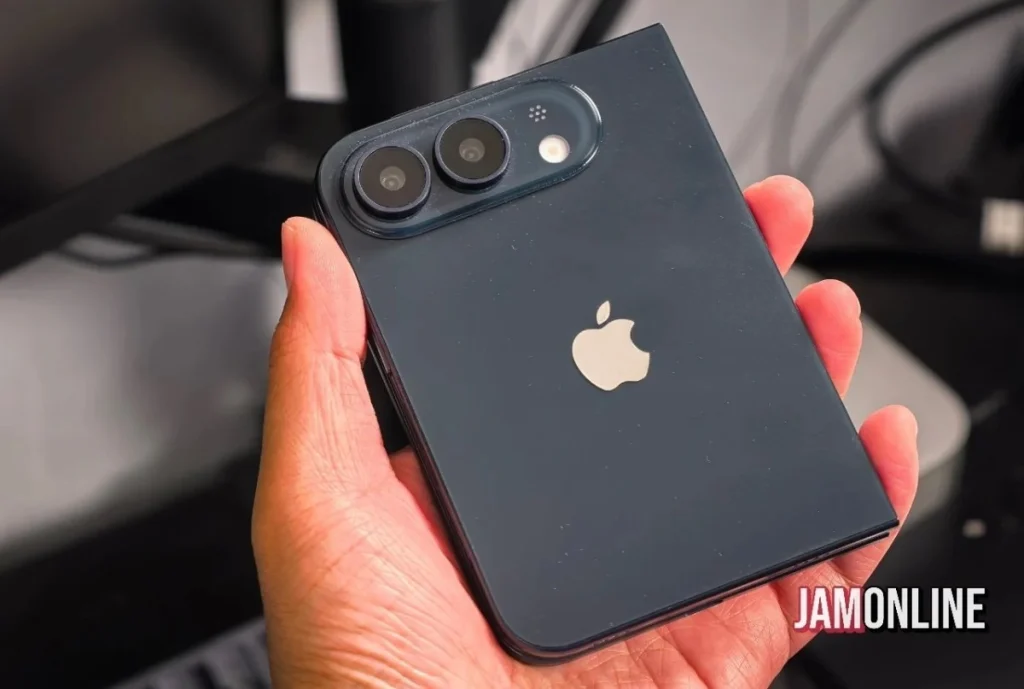
Foldable iPhone production plans have reportedly increased to about 10 million units, signaling Apple may be preparing for a larger first-year rollout than earlier expected.
Apple has asked suppliers to manufacture around 10 million foldable iPhones in 2026, according to a Nikkei Asia report cited in the source material. The device is rumored to be called the iPhone Ultra and is expected to debut alongside the iPhone 18 Pro series in September.
The report marks a notable increase from earlier expectations. Previous reports had suggested Apple was targeting an initial production run of about 7 million to 8 million units.
Apple has not announced a foldable iPhone, confirmed the iPhone Ultra name or disclosed any official production targets. As a result, the figures remain reported supplier plans rather than company-confirmed guidance.
Foldable iPhone Orders Point to Higher Launch Ambitions
The reported 10 million-unit target suggests Apple may be preparing for stronger early demand for its first foldable iPhone.
That would be a significant move for a product category Apple has avoided while competitors in the Android market have spent years refining foldable phones. Samsung, Motorola, Google and several Chinese smartphone makers have already launched foldable devices, but Apple has waited on the sidelines.
A larger production target could indicate confidence in the device’s appeal. It could also reflect Apple’s desire to ensure enough supply for a high-profile launch, especially if the foldable model sits at the top of the iPhone lineup.
However, production orders can change. Supplier instructions often shift based on component availability, demand forecasts, pricing strategy and manufacturing yields.
The source report does not say whether the 10 million-unit figure represents final production, launch inventory or a broader full-year target. It also does not provide details on how production would be distributed across regions.
Reported iPhone Ultra Would Sit Above the Pro Line
The foldable iPhone is rumored to carry the iPhone Ultra name.
That branding would suggest Apple may position the device above the iPhone 18 Pro and iPhone 18 Pro Max. Apple has not confirmed the name, so it should still be treated as speculative.
The device is expected to launch alongside the iPhone 18 Pro series this September, according to the source material. The expected announcement date is September 8.
If accurate, that timing would place Apple’s first foldable phone at the center of its most important annual hardware event. The iPhone remains Apple’s largest product franchise and a major driver of revenue, supplier activity and consumer attention.
Launching a foldable model beside the Pro lineup would also allow Apple to frame the device as a premium expansion of the iPhone family rather than a separate experiment.
Apple Also Reportedly Plans 70 Million Pro Models
The Nikkei Asia report also claims Apple has asked suppliers to manufacture another 70 million units of the iPhone 18 Pro and iPhone 18 Pro Max.
That figure highlights the scale difference between Apple’s established Pro phones and a first-generation foldable model. Even at 10 million units, the foldable iPhone would represent a smaller slice of the reported production plan.
The source material says Apple’s total production target for its new 2026 iPhone lineup is around 220 million units. It does not provide a full breakdown of all models included in that total.
That distinction matters. The report specifically mentions the foldable iPhone, iPhone 18 Pro and iPhone 18 Pro Max, but it does not list every device that may account for the full 220 million-unit target.
Still, the numbers suggest Apple is preparing for another major iPhone cycle, with the foldable model potentially serving as the headline addition.
Suppliers Told to Prepare for Additional Orders
Apple has also reportedly told some suppliers to prepare for extra orders of up to 85 million units in the second half of 2026.
That instruction could give Apple flexibility if demand exceeds early expectations. It may also help the company respond faster if certain models sell better than projected.
The report also says Apple has asked suppliers to reserve certain iPhone 17 components for the upcoming iPhone 18 series. The source material does not specify which components are involved.
That kind of supplier planning is common in large consumer electronics launches. Companies such as Apple must coordinate parts, assembly capacity, logistics and regional availability months before a product reaches customers.
For suppliers, Apple’s reported instructions may shape production schedules and inventory planning across the second half of 2026.
Pricing Rumors Put the Device in Ultra-Premium Territory
The rumored foldable iPhone is expected to start around $2,500, according to the source material.
Higher-storage versions could reportedly cost up to $3,000. Apple has not confirmed pricing.
If those figures prove accurate, the device would sit well above the price of conventional flagship smartphones. That would make it a premium product aimed at early adopters, professionals, Apple loyalists and consumers willing to pay for a new form factor.
A high price could also limit sales volume. That makes the reported 10 million-unit production target more notable, because it suggests Apple may see meaningful demand even at ultra-premium pricing.
Still, pricing remains one of the most important unconfirmed details. Final demand will depend not only on the foldable design, but also on durability, software features, battery life, camera quality and how Apple explains the value of the new form factor.
Why This Matters for the Smartphone Market
Apple’s entry into foldables would be a major moment for the smartphone industry.
Foldable phones have remained a premium niche, even as hardware has improved. Apple’s participation could bring the category wider mainstream attention and encourage more app developers, accessory makers and consumers to take foldable devices seriously.
It could also raise competitive pressure on Android manufacturers that have used foldables as a way to differentiate from the iPhone. If Apple delivers a polished foldable experience, rivals may face a more difficult battle at the high end of the market.
For Apple, the challenge is different. The company must show that a foldable iPhone is not just a more expensive iPhone, but a device that offers a clear reason to upgrade.
What to Watch Next
The next key signals will come from supplier reports, component leaks and any confirmation around Apple’s September event plans.
Investors and industry analysts will watch whether the reported 10 million-unit foldable iPhone target holds steady or changes before launch. Consumers will be watching for the device’s design, screen durability, software experience and final price.
For now, the reported increase suggests Apple may be preparing its first foldable iPhone as a serious addition to the 2026 lineup rather than a limited trial product.
Read Also: AT&T Build-A-Plan Adds Home Internet to Wireless Plans