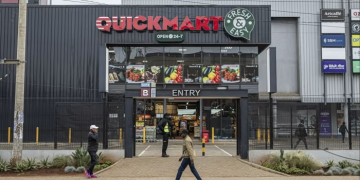
The Fast-Moving Consumer Goods (FMCG) industry in Kenya is a cornerstone of the country’s economy, boasting a market size exceeding $10 billion. The sector features major global and regional players, including East African Breweries Limited (EABL), Kenya Wines Agencies Limited (KWAL), Unilever, Nestlé, Coca-Cola, Procter & Gamble (P&G), British American Tobacco (BAT), and Bidco Africa. Despite the promising growth trajectory, the industry grapples with unique challenges that require innovative solutions to remain competitive.
What is Route to Market (RTM)?
Route to Market (RTM) refers to the processes and channels companies use to bring their products to consumers. It encompasses product distribution, promotion, and sales. A robust RTM strategy is critical in ensuring effective market penetration and achieving competitive advantage in the FMCG sector.
Current State of the FMCG Industry in Kenya
The Kenyan FMCG industry is driven by the demand for food, beverages, personal care products, and household items. This sector experiences intense competition characterized by:
- Price wars among companies.
- A growing emphasis on product innovation.
- Increased reliance on imports, although government policies aim to boost local manufacturing.
Growth Drivers
- Young population: Kenya’s youthful demographic ensures sustained demand for FMCG products.
- Growing middle class: An expanding middle-income segment translates to higher disposable incomes and greater consumption of premium goods.
- Urbanization: Increased migration to urban areas is boosting demand for packaged and processed goods.
Key Challenges in the Kenyan FMCG Sector
- High Distribution and Logistics Costs
- Poor infrastructure and limited transport access drive up costs.
- Insufficient storage facilities lead to spoilage of perishable goods.
- Intense Competition
- Dominance by multinational corporations with vast resources.
- Proliferation of counterfeit goods undermines genuine brands.
- Changing consumer trends, such as growing demand for organic and eco-friendly products.
- Regulatory and Financial Barriers
- High taxes and stringent compliance requirements hinder growth.
- Limited access to financing, especially for small and medium-sized enterprises (SMEs).
- Technological Disruption
- Rise of e-commerce platforms and online grocery stores has transformed consumer shopping habits, intensifying competition for traditional retailers.
Strategies for Success in Kenya’s FMCG Market
To thrive in this challenging landscape, FMCG companies must adopt innovative and cost-effective approaches:
- Strengthening Distributor and Retailer Relationships
- Negotiate favorable trade terms.
- Offer training and support to enhance product visibility and sales.
- Leveraging Digital Platforms
- Utilize e-commerce platforms to reach wider markets.
- Invest in digital marketing and social media campaigns to engage with consumers.
- Investing in Market Research
- Conduct consumer surveys and analyze sales data to anticipate trends.
- Use analytics tools to track consumer behavior and refine product offerings.
- Sustainability Practices
- Implement eco-friendly manufacturing processes.
- Adopt sustainable packaging to appeal to environmentally conscious consumers.
- Diversifying Product Portfolios
- Introduce new product lines to cater to diverse customer segments.
- Develop private label products to capture niche markets.
- Optimizing Costs
- Automate processes to reduce production costs.
- Implement efficient supply chain management strategies.
Future Outlook for the FMCG Industry in Kenya
The industry’s prospects remain bright due to several factors:
- Urbanization: Urban populations are projected to increase, driving higher demand for packaged goods.
- Middle-Class Expansion: A wealthier middle class will spur demand for branded and premium products.
- E-commerce Growth: The rise of online shopping platforms will broaden the market reach of FMCG companies.
- Government Support: Policies to boost local manufacturing and SMEs are expected to improve the business environment.
Leading FMCG Companies and Wholesalers in Kenya
Here are some of the key players shaping Kenya’s FMCG landscape:
- East African Breweries Limited (EABL): Renowned for its beverages, including beers and spirits.
- Kenya Wines Agencies Limited (KWAL): A major distributor of wines and spirits.
- Unilever: A leading producer of personal care, food, and household products.
- Nestlé: Known for its diverse range of food and beverage products.
- Coca-Cola: A global leader in non-alcoholic beverages.
- Procter & Gamble (P&G): Offers a wide array of consumer goods, including personal care products.
- British American Tobacco (BAT): A major player in the tobacco industry.
- Bidco Africa: Specializes in edible oils, hygiene products, and beverages.
Conclusion
The FMCG sector in Kenya offers immense potential for growth, bolstered by favorable demographics, rising consumer demand, and government support. However, the challenges of high operational costs, intense competition, and shifting consumer preferences require businesses to adopt agile and innovative strategies. By leveraging digital platforms, investing in sustainability, and forging strong partnerships, FMCG companies can secure a competitive edge and contribute to Kenya’s economic growth.