Discover the cutting-edge VN88 Rezence wireless charging technology, its unique features, advantages over Qi charging, and why it’s becoming a preferred choice for modern devices.
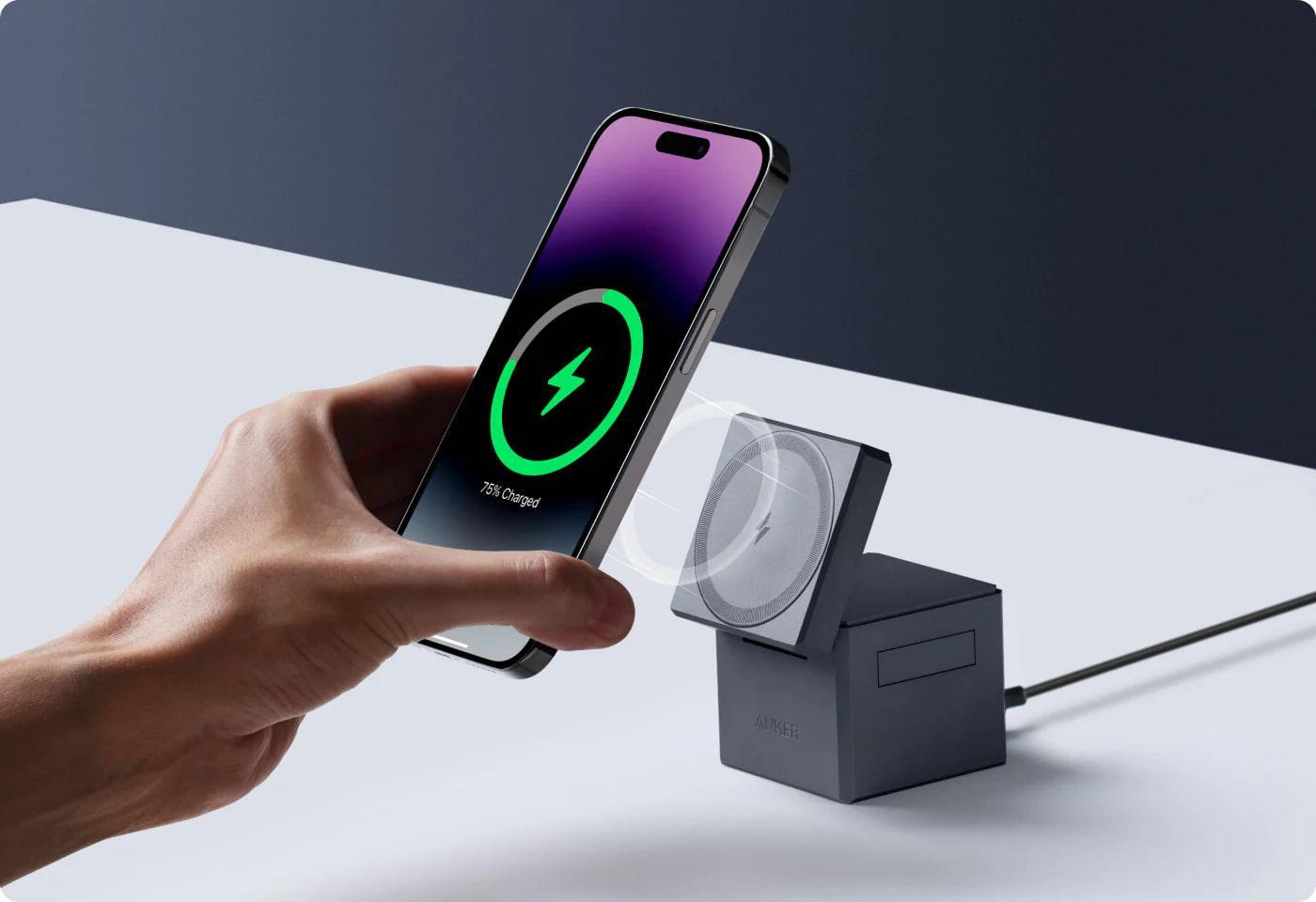
Introduction to VN88 Rezence Wireless Charging Wireless charging technology has significantly evolved, with VN88 Rezence emerging as a notable alternative to the conventional Qi standard. Developed by the Alliance for Wireless Power (A4WP), Rezence leverages magnetic resonance technology, enabling power transfer over a distance, contrasting the proximity-dependent inductive coupling of Qi charging.
The Mechanics of Magnetic Resonance At the heart of VN88 Rezence’s appeal is its magnetic resonance technology. This system establishes a magnetic field between the charging station and the device, facilitating energy transfer without direct contact, thereby offering a more flexible charging experience.
Compatibility with Qi Standard VN88 Rezence’s compatibility with the Qi standard broadens its usability, allowing devices with Rezence technology to also harness Qi charging pads, enhancing its user-friendly nature.
Advantages of VN88 Rezence Wireless Charging
- Extended Charging Range: Rezence technology’s capability to charge over longer distances provides a convenient user experience, eliminating the need for precise device placement.
- Simultaneous Multi-device Charging: Unlike Qi, Rezence can power multiple devices at once, catering efficiently to multi-device environments.
- Non-restrictive Placement: The alignment-free charging feature of Rezence adds to its convenience, offering a hassle-free charging solution.
Challenges of Rezence Wireless Charging Despite its benefits, VN88 Rezence faces challenges like reduced charging efficiency compared to Qi, higher production costs due to its advanced technology, and limited market presence, affecting its accessibility and adoption rate.
Devices Featuring VN88 Rezence Technology Notable gadgets like the Samsung Galaxy S23 Ultra, Google Pixel 6 Pro, LG G8 ThinQ, and Sony Xperia 1 III, among others, have embraced VN88 Rezence, signaling a trend towards wider adoption of this versatile charging standard.
Conclusion: The Potential of VN88 Rezence Wireless Charging While VN88 Rezence wireless charging presents certain drawbacks, such as efficiency and cost, its advantages like longer charging distance, multi-device charging, and alignment-free operation position it as a promising future standard in wireless power. As technology advances, VN88 Rezence is expected to become more efficient and widespread, making it an increasingly popular choice for wireless charging in various devices.