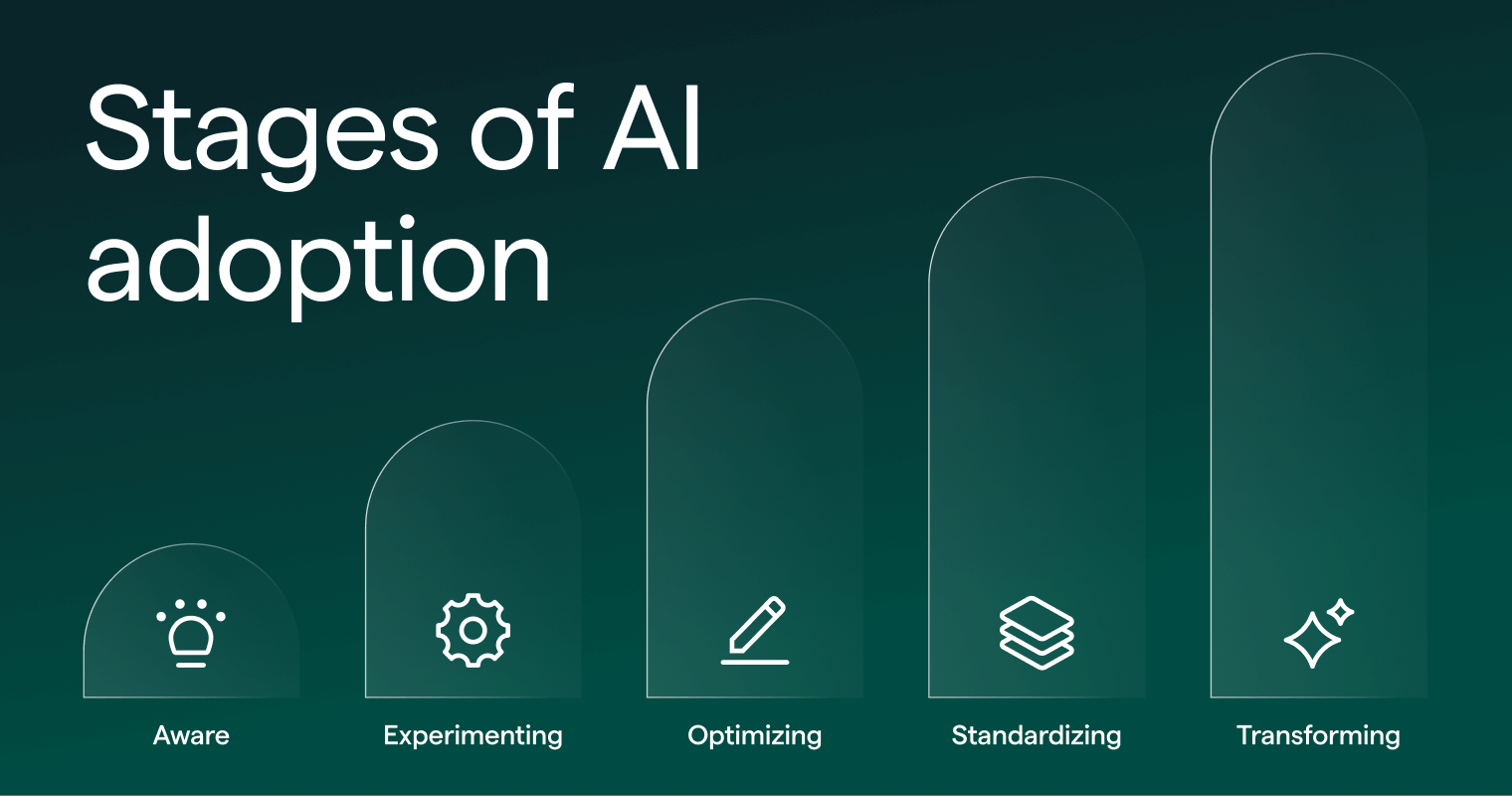
In 2025, enterprise AI adoption has evolved from experimentation to strategic imperative. Forward-thinking organisations are deploying intelligent systems across their value chains—accelerating decision-making, optimising operations, and unlocking new revenue streams. Here’s a comprehensive guide to mastering AI adoption at scale.
🎯 1. Strategic Foundations & Leadership Alignment
- C-level Sponsorship: Success begins when executive leadership frames AI as a core business driver, not just a technology project.
- Defined Use‑Case Roadmap: Enterprises prioritise high-impact areas—sales forecasting, supply optimisation, customer service automation—before scaling.
- AI Governance Framework: Ethical standards, data privacy, and model accountability are embedded from the outset, with oversight by cross-functional committees.
⚙️ 2. Phased Implementation Model
- Pilot Phase: Start with focused, quick-win projects that align with business objectives, using pilot teams to test and iterate.
- Scale-Up Phase: Once proven, expand AI use to adjacent functions—e.g., from customer service chatbots to supply chain forecasting.
- Enterprise Integration: AI is embedded into core systems—ERP, CRM, and analytics platforms—with automated monitoring and alerting in place.
🧑💼 3. Talent, Skills & Culture Building
- Cross‑Functional Collaboration: AI success requires combined expertise from data science, IT, line-of-business owners, and compliance teams.
- AI Upskilling Programs: Regular training—bootcamps, certifications, ‘AI hackathons’—ensures staff understand tools and outcomes.
- Data‑Driven Culture: Decision-making shifts based on insights, experimentation, and measured success metrics, not hierarchy or instinct.
🔧 4. Technology Stack & Infrastructure
- Scalable Compute Resources: Companies deploy scalable GPU/CPU clusters, often via hybrid cloud or edge infrastructure for real-time use cases.
- MLOps & Model Management: Platforms manage the full AI lifecycle—training, validation, versioning, rollbacks, and governance policies.
- Secure Integration: APIs integrate with existing systems while ensuring authentication, data encryption, and access controls are robust.
💡 5. Use‑Case Priorities
- Customer Experience Enhancement: Generative chatbots, sentiment analysis, and recommendation engines improve engagement.
- Sales & Revenue Acceleration: AI-driven predictive lead scoring, pipeline optimisation, and automated CRM updates—such as using tools like People.ai—boost revenue performance.
- Operational Efficiency Gains: Predictive maintenance in manufacturing, demand forecasting in supply chains, and automated quality control deliver measurable cost savings.
- Risk Management & Compliance: Real-time contract analysis, fraud detection, and anomaly-driven financial oversight reduce organizational risk exposure.
📊 6. Measuring ROI & Success Metrics
- KvI-Based Tracking: KPIs such as reduction in time-to-decision, cost savings, and revenue uplift are tracked and benchmarked across functions.
- Model Performance Metrics: Model accuracy, latency, and drift are continuously monitored to maintain predictive stability.
- Adoption & User Engagement: Usage patterns, feature adoption, and satisfaction scores highlight where AI is delivering value and where iteration is needed.
⚖️ 7. Risk, Ethics & Regulation
- Explainability & Transparency: Models are designed to surface rationales, not just outputs—vital in regulated sectors like finance and healthcare.
- Bias Monitoring: Ongoing audits reduce demographic or historical biases in decision-making models.
- Data Privacy Safeguards: Pseudonymisation and anonymisation strategies protect personal data while enabling insights.
🔮 8. Scaling & Long‑Term Integration
- Platform Ecosystems: Enterprises build internal AI platforms or partner with cloud vendors to democratise AI across business units.
- Reuse of AI Assets: Pre-trained models, feature libraries, pipelines, and dashboards become shared assets across teams.
- Continuous Innovation Cycles: Quarterly reviews and agile releases keep AI offerings fresh, relevant, and aligned with strategic goals.
📈 Key Benefits of Adoption
| Outcome Area | Enterprise Benefit |
|---|---|
| Time-to-Value | Rapid deployment focused on high-impact pilots |
| Cost Efficiency | Reduced operating expenses via automation and optimisation |
| Revenue Growth | Higher close rates and churn reduction through smarter sales |
| Customer Satisfaction | Quicker, personalised user interactions with minimal friction |
| Compliance & Risk Control | More robust auditability, monitoring, and regulatory adherence |
🚀 Outlook Beyond 2025
- Composable AI Architecture: Plug-and-play AI modules (chat, vision, forecasting) integrated with business applications will become standard.
- Edge-First Use Cases: Real-time inference at the network edge will expand in sectors like logistics, retail, and industrial automation.
- AI‑Augmented Decision Agents: Autonomous agents will collaborate with human operators in tasks like procurement, forecasting, and incident response.
- Cross‑Enterprise AI Collaboration: Federated learning and shared algorithmic platforms enable secure cross-company model training without exposing data.
Conclusion
In 2025, enterprise AI adoption is a strategic necessity. Leading organisations embed AI across functions, supported by governed data infrastructure, a culture of experimentation, and outcome-driven models. With the right framework, AI becomes a scalable and sustainable driver of growth, efficiency, and innovation.