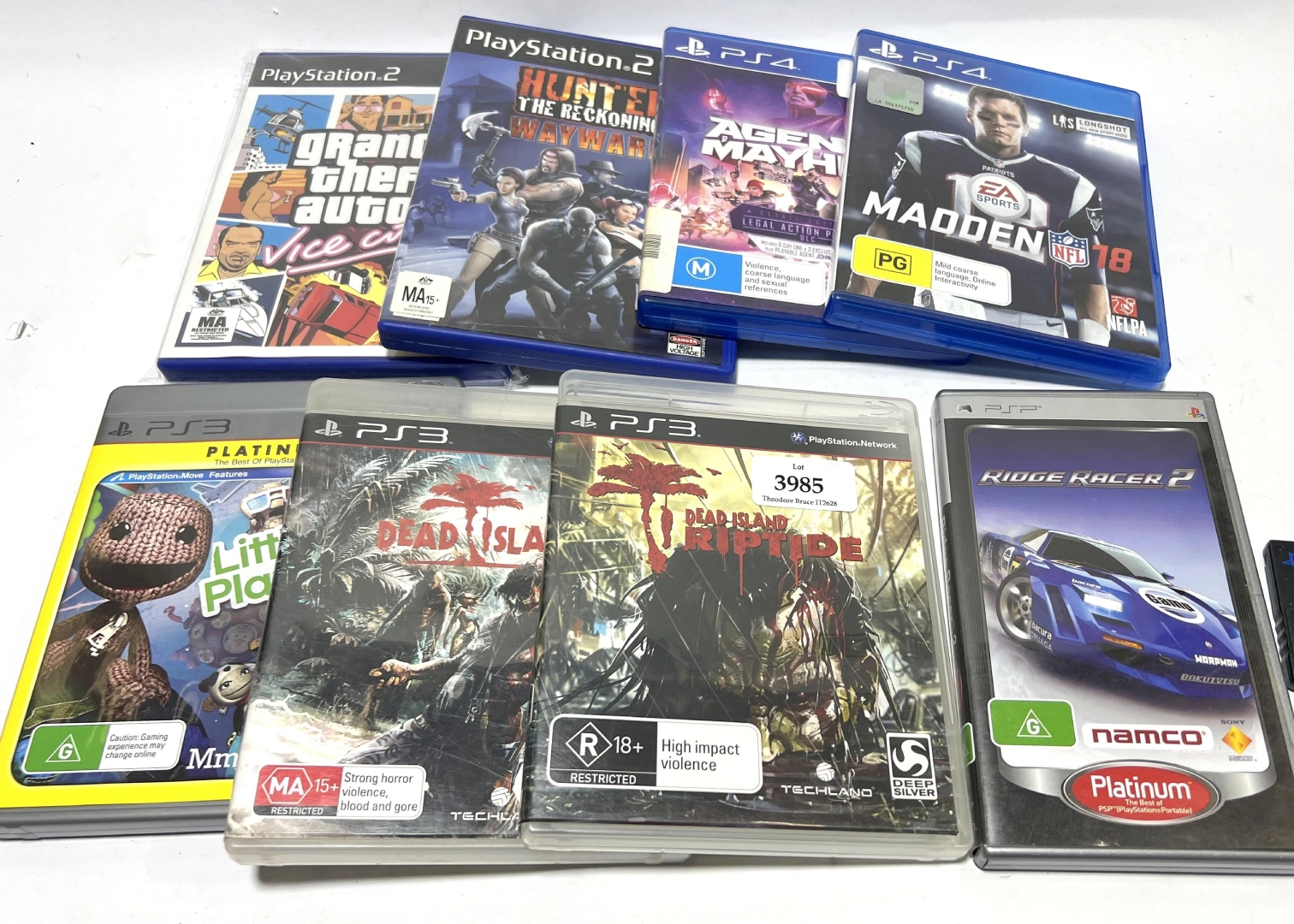
The end of physical game discs may be convenient for publishers, but it could become a disaster for game ownership and preservation.
Sony has reportedly confirmed that it will stop producing physical discs for new PlayStation games from January 2028, making future PlayStation releases digital-only through the PlayStation Store and participating retailers. The move follows years of industry momentum toward downloads, subscriptions and digital storefronts, but it also raises a serious question: what happens to games when the companies controlling access decide to remove them, shut down stores or let licenses expire?
The answer is uncomfortable. In an all-digital future, players may not truly own the games they pay for. They may only own temporary access.
Physical Game Discs Are Being Pushed Out
Physical games are no longer the center of the console business.
For years, publishers have been nudging players toward digital purchases. Digital games are easier to sell, easier to update and more profitable to distribute. There is no disc manufacturing, no shipping, no retail shelf space and no second-hand resale market cutting into new sales.
Sony’s reported January 2028 shift would mark one of the clearest signs yet that physical PlayStation games are moving toward extinction. Reports say games released before the cutoff will not be affected, but new PlayStation titles after that point would be sold digitally.
That may sound like a natural evolution. After all, music, movies and software have already moved heavily toward digital distribution.
But games are different because they are tied to hardware, accounts, patches, licenses, online services and storefront infrastructure. When access disappears, a game can become impossible to obtain legally.
Why Publishers Prefer Digital Games
Publishers have strong financial reasons to prefer digital games.
Digital distribution gives them more control over pricing, availability and access. It also weakens the used-game market. When players buy discs, they can lend them, sell them, trade them or buy them second-hand. When players buy digital copies, the platform holder and publisher keep control.
That control is valuable.
A digital marketplace lets publishers run sales, remove products, bundle content, sell deluxe editions, push subscriptions and prevent resale. It also keeps players inside the platform ecosystem.
This is why the shift is not only about convenience. Convenience helps sell the idea to players, but profitability is the real engine behind the transition.
For publishers, digital is cleaner. For players, it is more complicated.
The Ownership Problem
The biggest issue with digital games is ownership.
When you buy a disc, you own a physical object. You can keep it on a shelf, lend it to a friend, sell it, or preserve it long after the original store listing disappears.
When you buy a digital game, you usually buy a license to access that game under the platform’s terms. That access depends on servers, accounts, storefront policies, regional rights and licensing agreements.
If a store shuts down, a license expires or an account is banned, access can become limited or disappear.
This does not mean every digital purchase is unsafe. Many digital libraries remain accessible for years. But the key problem is control. With physical media, the player keeps some control. With digital media, the platform holder keeps most of it.
Game Preservation Is Already in Trouble
Game preservation was already in crisis before the latest push away from discs.
A 2023 study by the Video Game History Foundation found that 87% of classic video games are not in release and are effectively “critically endangered.” The study said availability was low across every platform and time period it tracked.
That number should alarm anyone who cares about gaming history.
Games are not disposable entertainment. They are culture, technology, art and memory. They show how design, storytelling, music, hardware and online communities evolved.
If most classic games are already unavailable legally, the industry should be building stronger preservation systems. Instead, it appears to be moving toward a model where even more games depend entirely on digital storefronts.
That makes the future more fragile, not safer.
Digital Storefronts Can Close
Digital storefronts do not last forever.
Nintendo ended purchases on the Wii U and Nintendo 3DS eShops on March 27, 2023. Users can still redownload previously purchased games and updates for now, but new purchases are no longer possible.
That distinction matters.
If you bought a game before the store closed, you may still be able to access it. But if you did not buy it in time, it may now be unavailable through legal digital purchase.
This is exactly the preservation problem. A store closure does not only affect nostalgia. It cuts off access to games that may never receive modern ports, remasters or re-releases.
Now imagine that same problem applied to an entire digital-only console generation.
The PS3 and PS Vita Warning
PlayStation has already faced criticism over legacy digital access.
Reports around Sony’s latest shift say the company is also winding down or ending legacy store support for older PlayStation systems, including PS3 and PS Vita.
That matters because many older games are trapped on older hardware and older stores.
If newer consoles cannot run those games natively, and the old store closes, access becomes much harder.
Players who already own games may retain some redownload options for a time. But “for a time” is the problem. Digital access depends on ongoing corporate support.
Physical copies are imperfect, but they do not require the original storefront to remain open.
The GTA 6 Code-in-a-Box Concern
The reported move toward code-in-a-box releases has also worried physical collectors.
Some reports claim that boxed versions of major upcoming titles such as GTA 6 may ship without discs, using download codes instead. That would turn the “physical” copy into little more than packaging plus a digital license.
This approach creates confusion.
A customer sees a box in a store and assumes they are buying a physical game. But if the box contains only a code, the purchase still depends on servers, accounts and digital access.
There is no disc to preserve. No used copy to buy later. No offline backup sitting in a collection.
A code-in-a-box product gives retailers something to sell, but it does not solve the ownership problem.
Physical Copies Are Not Perfect
Physical media is not a perfect solution.
Discs can scratch. Cases can break. Hardware can fail. Some modern discs do not even contain the full playable game because large day-one patches or online downloads are required.
That weakens the preservation value of modern physical releases.
Still, a disc often gives players more control than a purely digital license. It can be traded, lent, collected and archived. Even when updates are needed, the disc can preserve at least part of the original release.
For historians, collectors and fans, that matters.
Physical media is not perfect preservation. But it is a form of preservation that does not depend entirely on a company keeping a server online.
Digital Games Can Disappear Because of Licensing
Licensing is one of the biggest threats to digital availability.
Games often include licensed music, brands, cars, sports teams, celebrity likenesses, middleware or other third-party content. When those licenses expire, publishers may remove a game from sale instead of renegotiating.
That is what happened with Spec Ops: The Line, which was removed from digital storefronts after licensing issues involving its soundtrack.
Players who already bought the game may still be able to download it depending on the platform. But new buyers are locked out.
This is not an obscure risk. It happens repeatedly across the industry.
Digital-only gaming makes this problem worse because there is no physical fallback.
The P.T. Example Still Haunts Gaming
The P.T. demo remains one of gaming’s most famous preservation warnings.
Konami removed the playable teaser from the PlayStation Store after the cancellation of Silent Hills. Because it was a digital-only demo, players who did not download it before removal lost legal access.
The game became a legend partly because it disappeared.
Some PlayStation 4 consoles with P.T. installed became collector items because the demo could no longer be obtained normally.
That is the nightmare scenario for digital-only content. A culturally important game or demo can vanish because of a business dispute, license issue or corporate decision.
A physical disc would not have solved everything, but it would have made the disappearance much harder.
Why Game Preservation Matters
Game preservation is not just about nostalgia.
Games are part of cultural history. They reflect technology, music, art, writing, design, politics, internet culture and player communities.
A future researcher studying early 2000s shooters, 2010s indie games or 2020s live-service titles should be able to access the works themselves, not only trailers and reviews.
Preservation also matters for players.
People should be able to revisit the games they grew up with. New players should be able to discover older titles legally. Developers should be able to study past design.
If games vanish, the medium loses its memory.
Digital-Only Consoles Create a Single Point of Failure
A digital-only console generation creates a single point of failure: the platform server.
If every game depends on a digital storefront, then the future of that library depends on the company maintaining access.
That may be fine for five years. It may be fine for ten. But what about twenty? What about thirty?
Consoles do not last forever. Storefronts do not last forever. Account systems do not last forever. Payment systems change. Licensing deals expire. Companies restructure. Servers cost money.
Eventually, a company may decide that supporting an old store is no longer worth it.
If there are no discs, an entire generation of games becomes vulnerable.
Used Games Could Disappear
The death of physical discs also threatens the used-game market.
Used games are important because they make gaming more affordable. Not everyone can buy new releases at full price. Used copies allow players to access games later at lower prices.
They also keep games circulating after publishers stop actively selling them.
Digital storefronts can offer sales, but those sales are controlled by the platform and publisher. Players cannot sell their digital copy to someone else. They cannot lend it permanently. They cannot trade it at a shop.
Without used games, publishers gain more pricing control. Players lose flexibility.
That is a major consumer-rights issue.
Lending Games Could Become Impossible
Physical games also support informal sharing.
A player can lend a disc to a sibling, friend or classmate. Families can share a collection. Communities can exchange games.
Digital games make that harder. Some platforms offer family sharing, but those systems are limited and controlled by platform rules.
When sharing depends on corporate permission, it can change or disappear.
This matters because gaming has always had a social side. Many people discover games by borrowing them or playing them at a friend’s house.
Digital-only distribution narrows that culture.
Collectors Lose More Than Plastic
Collectors are not only attached to plastic cases.
Physical games carry artwork, manuals, editions, inserts, discs, cartridges and packaging design. They are artifacts.
A digital library can be convenient, but it cannot replace the feeling of owning a real object.
Collectors also help preserve games. Private collections often keep works alive long after publishers stop caring.
Removing physical releases weakens that informal preservation network.
The industry may see physical collectors as a small audience, but they play an important role in keeping gaming history visible.
Libraries and Archives Need Better Rights
Libraries and archives face legal barriers when preserving games.
The Video Game History Foundation study noted that libraries and archives can digitally preserve games but cannot broadly digitally share them in the same way they can with some other media. Access is often restricted and limited.
This creates a strange situation.
Games are recognized as culturally important, but the institutions best equipped to preserve them are limited in how they can provide access.
If the industry moves fully digital while preservation law remains weak, many games will sit in a legal dead zone: technically preserved somewhere, but inaccessible to most people.
That is not real preservation for the public.
Xbox and GOG Show Better Paths
Some companies have taken more preservation-friendly approaches.
Xbox has done more than most console makers to support backward compatibility and carry digital libraries across hardware generations. This does not solve every problem, but it helps players keep access to older purchases.
On PC, GOG has built part of its identity around DRM-free games and keeping older titles playable on modern systems. Its preservation program is designed to maintain access to classic PC games where possible.
These efforts are valuable.
But they still depend on corporate will. A company can change priorities, sell assets, close programs or stop supporting older systems.
Goodwill helps, but it is not the same as a legal guarantee.
Subscriptions Make Ownership Even Weaker
The digital shift also connects to gaming subscriptions.
Services like PlayStation Plus, Xbox Game Pass and other libraries make games feel more like streaming content. Players get access to a rotating catalog rather than owning individual titles.
Subscriptions can be good value, especially for discovery. But they also normalize temporary access.
A game can be added one month and removed later. If players never bought a copy, they lose access when the license leaves the service.
This model may be convenient, but it trains players to accept that games are temporary.
For preservation, that is dangerous.
Live-Service Games Face an Even Bigger Problem
Live-service games are even more vulnerable than ordinary digital games.
Many online-only games require servers to function. When those servers shut down, the game may become completely unplayable.
This has already happened to multiple online games over the years.
Physical discs do not fully solve this issue because a server-dependent game can die even if the disc survives. But the move to digital-only makes the broader ownership problem worse.
If both the game license and the game servers are controlled entirely by the publisher, players have almost no long-term protection.
Digital Convenience Is Real
The argument for digital games is not fake.
Digital downloads are convenient. Players can buy games instantly, preload releases, avoid disc swapping and access libraries from one account. Digital sales can also be cheaper at times.
For people with reliable internet and enough storage, digital gaming is easy.
It also reduces clutter and makes gaming more portable.
The problem is not that digital games exist. Digital distribution has real benefits.
The problem is when digital becomes the only option and physical ownership disappears completely.
Choice matters.
The Industry Should Preserve Both Options
The best future is not physical-only or digital-only.
Players should have both options.
Digital games serve convenience. Physical games serve ownership, resale, lending, collecting and preservation.
A healthy market should allow both to exist, especially for major releases.
If publishers want to sell digital copies, they should. But eliminating discs removes a form of consumer control that cannot be replaced by a download button.
The industry should not pretend that convenience and ownership are the same thing.
They are not.
What Players Lose Without Discs
Without physical discs, players lose several rights and habits.
They lose the ability to resell games. They lose the ability to buy used copies. They lose easy lending. They lose independent preservation. They lose access that does not depend entirely on servers.
They also lose price competition from physical retailers.
When all sales happen through one digital storefront, the platform holder gains enormous control over pricing and availability.
This can make gaming more expensive over time, especially when older games remain locked to digital stores without used alternatives.
The loss is not just emotional. It is economic.
What Publishers Gain Without Discs
Publishers gain control.
They control distribution, pricing, availability, discounts, bundles, editions and access. They also reduce manufacturing and logistics costs.
Most importantly, they weaken resale.
A used disc can be bought and sold many times without the publisher earning additional revenue. A digital game cannot circulate that way.
From a business perspective, digital-only distribution is attractive.
But what benefits publishers does not always benefit players.
That is the heart of the debate.
What Regulators Should Watch
Regulators should pay attention to digital ownership.
If consumers pay full price for a digital game, what rights should they have? Should companies be allowed to remove purchased content? Should digital purchases be transferable? Should publishers be required to maintain access for a minimum period? Should preservation exceptions be expanded?
These are not small questions.
As physical media disappears, consumer protection law may need to catch up.
Games are expensive. Players should not lose access simply because a server closes or a license expires.
The law should recognize that digital purchases need stronger protections.
What the Industry Should Do
The gaming industry can take several steps to protect players and history.
Publishers could keep physical releases for major games. Platform holders could guarantee long-term redownload access. Stores could clearly explain what buyers own. Companies could support libraries and archives with preservation rights.
Developers could release offline patches for games before shutting servers down. Publishers could avoid unnecessary online requirements for single-player titles.
Stores could also make delisted games available to previous buyers forever where legally possible.
These steps would not stop the digital shift, but they would make it less destructive.
What Players Can Do
Players can still make choices while physical media exists.
They can buy physical copies when available. They can support preservation-friendly stores. They can keep backups where legally allowed. They can avoid assuming digital libraries are permanent. They can ask publishers for offline modes and long-term support.
Players can also support organizations working on game preservation.
Most importantly, players should understand what they are buying.
A digital purchase may feel like ownership, but the terms often say otherwise.
Awareness is the first step toward demanding better rights.
Why This Moment Matters
The move away from physical discs feels like a turning point.
For years, digital and physical games existed side by side. Players could choose convenience or ownership. If Sony’s reported 2028 shift becomes the industry standard, that balance could end.
A digital-only future may look modern, but it could be less free.
It could give companies more control over what players can buy, keep, share, sell and revisit.
That is why this debate matters now, before physical media disappears completely.
Once the disc market is gone, bringing it back will be almost impossible.
Conclusion: Digital-Only Gaming Could Cost Players Control
The end of physical game discs may be sold as convenience, but it could cost players something far more important: control.
Sony’s reported plan to stop producing physical discs for new PlayStation games from January 2028 shows how quickly the industry is moving toward a digital-only future. Reports of code-in-a-box releases for major titles such as GTA 6 add to the concern because they create the appearance of physical ownership without the actual disc.
Digital games are convenient, but they depend on servers, licenses, accounts and corporate policies. If a store closes, a license expires or a company removes a game, access can disappear.
The Video Game History Foundation’s finding that 87% of classic games are not in release shows that preservation is already in crisis.
Physical media is imperfect, but it gives players, collectors and historians something digital does not: an independent object that can survive beyond a storefront.
If the industry eliminates that option entirely, many games released today could become impossible to access legally in the future. Not because players stopped caring, but because the system was built to prioritize control over preservation.
Read Also: Bumble App Review: Features, Pricing and What to Know