Bumble was built around one simple idea: give women more control over how online conversations begin.
The dating app became famous for its women-first approach, where women traditionally made the first move in heterosexual matches. That rule helped Bumble stand apart from Tinder and other swipe-based dating apps by giving users a more structured way to match, message and decide whether a connection was worth pursuing.
But Bumble is now facing pressure on two fronts. As an app, it is still widely used and remains one of the most recognizable dating platforms globally. As a public company, however, it has been dealing with slowing growth, falling paying users and pressure from investors. Reuters reported in June 2026 that Bumble was exploring a possible sale and working with Morgan Stanley, although sources said there was no guarantee a deal would happen.
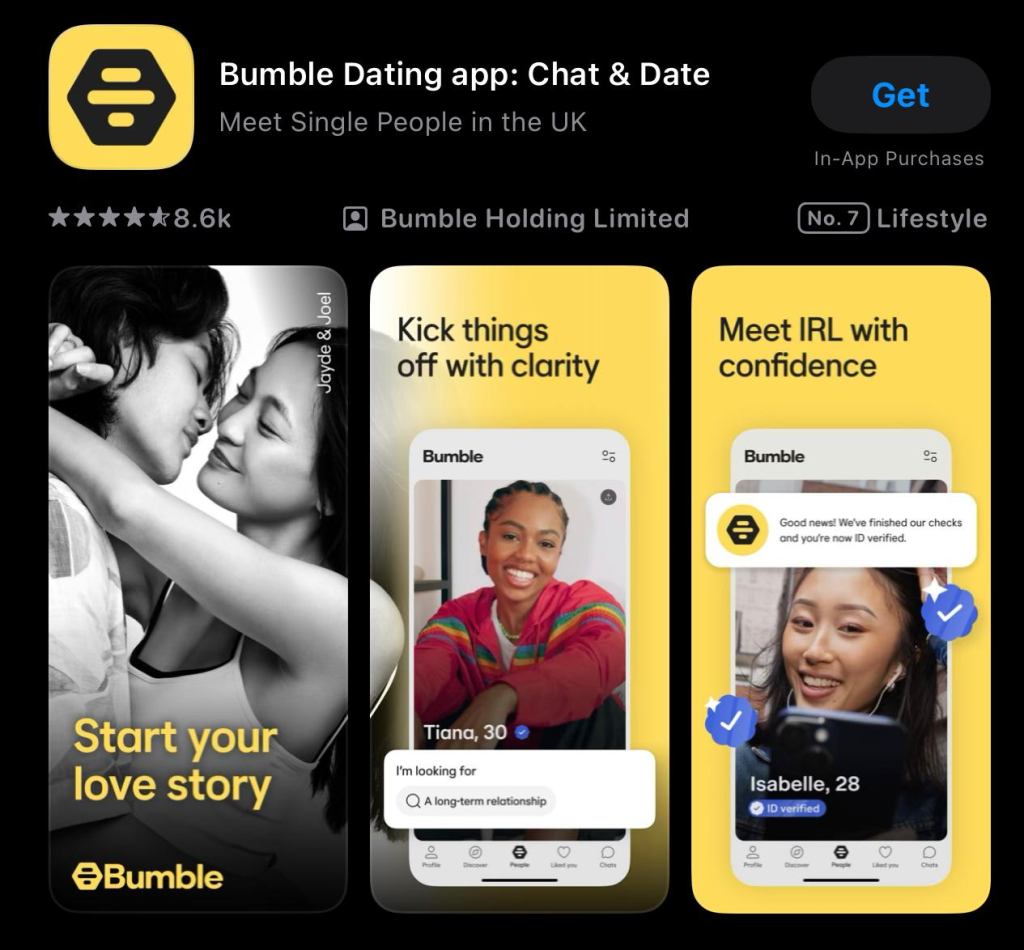
What Is Bumble?
Bumble is a social discovery app best known for dating, but it is not limited to romantic matches.
The app was launched in 2014 and built its identity around helping users create more respectful connections by requiring women to start conversations in many heterosexual matches. Bumble says its platform is designed to help people date, build meaningful relationships and network, with women making the first move as a key part of its brand.
Bumble works through a familiar swipe system. Users create a profile, add photos, write a short bio, answer prompts, select interests and then swipe through suggested profiles.
When two users like each other, they match. From there, the conversation rules depend on the match type and Bumble’s current product settings.
Why Bumble Became Different
Bumble became different because it changed the opening move.
On many dating apps, matches can turn into a flood of messages, especially for women. Bumble tried to reverse that dynamic by giving women more control over who gets to start the conversation.
Bumble says women making the first move was designed to create more equal and respectful connections.
That rule became the app’s identity. It made Bumble feel more intentional than some competitors and helped it attract users who wanted a dating app with more structure.
For many people, Bumble’s appeal was not only the feature itself. It was the feeling that the app was trying to create a safer, calmer and more respectful dating space.
Bumble’s Business Is Under Pressure
Despite its strong brand, Bumble’s business has been struggling.
Reuters reported that Bumble was exploring a sale amid slowing growth in the online dating sector. The report said total paying users fell more than 11% in 2025 to about 3.7 million, while annual revenue declined nearly 10% to about $966 million. In the first quarter of 2026, paying users dropped about 20% year-on-year as the company trimmed lower-engagement accounts.
Bumble’s own full-year 2025 results showed total revenue fell 9.9% to $965.7 million, while total paying users declined 11.5% to 3.7 million.
The company’s first-quarter 2026 results were also weak. Bumble reported total revenue of $212.4 million, down 14.1% from the same period a year earlier, while total paying users fell 21.1% to 3.2 million.
These figures show that Bumble remains a major app, but its paid growth story has become much harder.
What This Means for Everyday Users
For everyday users, Bumble’s business pressure does not mean the app has stopped working.
People can still create profiles, match, message and use its core dating features. The app remains active in many markets and continues to be one of the best-known alternatives to Tinder.
However, the business pressure matters because it may shape the app’s future.
If Bumble is looking for a buyer, investors or management may push harder for product changes, new paid features, artificial intelligence tools, stronger monetization or a different user experience.
That could affect how the app looks and works over time.
For now, the user experience remains familiar: create a profile, swipe, match and start conversations within Bumble’s rules.
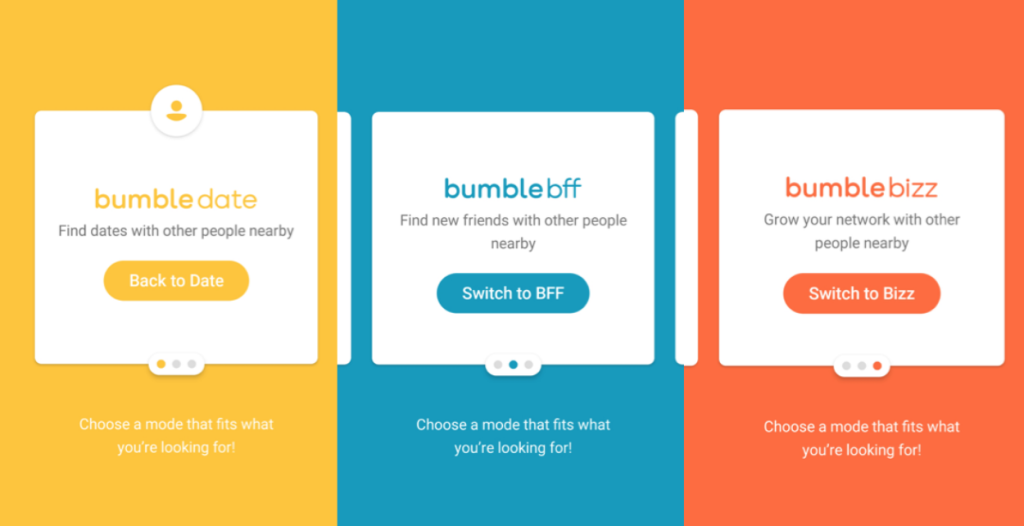
Bumble Date Mode
Bumble Date is the app’s main dating mode.
This is where users look for romantic connections. Profiles usually include photos, a short bio, prompts, lifestyle details, interests and other optional information.
The matching system is swipe-based. Users swipe right to like someone and left to pass. If both people like each other, a match is created.
Bumble’s women-first model is most visible in Date mode. Traditionally, in heterosexual matches, women had to start the conversation before the match expired. Bumble’s own description still emphasizes women making the first move as central to its dating identity.
This structure helps reduce inactive matches because users must act within a limited time.
Bumble BFF Mode
Bumble BFF is designed for friendships rather than dating.
This mode is useful for people who have moved to a new city, changed schools, started a new job, or simply want to expand their social circle.
Instead of looking for romantic matches, users connect with people who are also looking for platonic friendships.
BFF mode is one of Bumble’s smartest ideas because many people need social connection beyond dating. In a world where people move often and spend more time online, friendship apps can be useful.
For younger adults, students, newcomers and professionals, BFF can feel less pressured than dating mode.
Bumble Bizz Mode
Bumble Bizz is Bumble’s professional networking mode.
It allows users to connect for career conversations, networking and professional opportunities. It is not as powerful or widely used as LinkedIn, but it gives Bumble a broader identity beyond dating.
Bizz can be useful for people who want light networking without creating a completely separate profile on another platform.
However, Bumble is still mainly known as a dating app. Bizz is a useful extra, not the main reason most people download Bumble.
The three-mode structure is still a strong feature because users can switch between Date, BFF and Bizz without creating separate accounts.
How Bumble Profiles Work
Bumble profiles are built around quick first impressions.
Users usually add photos, a bio, profile prompts, interests and basic lifestyle information. The aim is to help others decide whether to swipe right or left.
Good Bumble profiles are simple, clear and personal. They show who someone is without feeling too forced.
Profile prompts are especially useful because they give people something to respond to. Instead of opening with a generic greeting, users can comment on a shared interest, a funny answer or a profile detail.
This makes conversations easier to start and helps reduce awkward first messages.
The 24-Hour Match Rule
One of Bumble’s most recognizable mechanics is the time limit on matches.
In many cases, a match can expire if no one starts the conversation within the allowed window. This creates urgency and prevents old matches from piling up indefinitely.
The benefit is that it encourages users to act quickly.
The downside is that people can miss matches if they are busy, offline or not checking the app regularly.
Bumble’s paid features, such as Extend and Rematch, are partly built around this system. They allow users to keep or recover conversations that might otherwise disappear.
This time limit makes Bumble feel more active, but it can also make the app feel more pressured.
Icebreakers and Conversation Starters
Bumble includes tools designed to make conversations easier.
Icebreakers and prompts can help users avoid boring opening lines. This matters because many matches fail not because people are uninterested, but because neither person knows what to say first.
A good prompt can turn a profile into a conversation.
Instead of starting with a plain “hi,” users can respond to a hobby, travel answer, music interest or personality prompt.
These small features help Bumble feel more guided than some dating apps.
How Bumble Is Different From Tinder
Bumble and Tinder both use swipe-based matching, but they feel different.
Tinder is generally faster, more open-ended and less structured. Either person can message first, and matches do not expire in the same way.
Bumble is more rule-driven. Its women-first identity, time-limited matches and structured profile prompts create a different tone.
For users who find Tinder overwhelming, Bumble can feel more organized.
For users who prefer total freedom and fewer rules, Tinder may feel easier.
The better app depends on what someone wants: speed and volume, or structure and more intentional messaging.
Bumble’s Women-First Feature Is Evolving
Bumble’s signature women-first feature has evolved over time.
The company has faced feedback that requiring women to always make the first move can sometimes feel tiring. Reports in 2024 described Bumble testing and introducing more flexible “Opening Moves” style features, allowing women to set prompts that matches can respond to.
That shift shows Bumble is trying to preserve its women-first identity while reducing pressure on users.
This is important because online dating habits are changing. Many users are tired of endless swiping, repetitive messages and low-effort conversations.
Bumble’s challenge is to keep its original identity while making the app feel less like work.
Bumble and Dating-App Fatigue
Dating-app fatigue is one of the biggest problems facing Bumble and its competitors.
Many users feel tired of swiping, matching, starting conversations and repeating the same process without meaningful results.
This fatigue affects the whole industry, not only Bumble.
Reports in 2026 suggested Bumble is rethinking parts of the swipe-based experience and exploring more intentional ways to connect users.
That is a major shift. The swipe system made dating apps famous, but it also made them feel transactional.
If Bumble can create a more meaningful discovery experience, it may recover some of the energy that made it popular.
Bumble Paid Plans
Bumble uses a freemium model.
The app is free to download and use, but many features are locked behind paid subscriptions or one-off purchases.
Bumble’s paid products include Boost, Premium and Premium+. Bumble says Premium includes features such as seeing who has liked you and advanced filters, while Premium+ adds more visibility-focused tools on top of Premium.
Paid features usually focus on visibility, convenience and control. They help users extend matches, rematch with expired connections, see likes, use advanced filters, stand out more often or change location.
The free version is enough to try the app, but heavy users may feel limited without paid tools.
Bumble Boost
Bumble Boost is usually the more affordable paid tier.
It typically includes features such as unlimited likes, Backtrack, Extend, Rematch, Spotlight and SuperSwipes, depending on location and current plan structure.
Forbes Health’s 2026 review lists Boost features as unlimited likes, five SuperSwipes per week, one Spotlight per week, unlimited Extends, unlimited Rematches and unlimited Backtracks.
Boost is best for users who already like the free app but want more chances to keep matches alive and increase visibility.
It is not necessarily needed for casual users.
But for someone who uses Bumble often, Boost can make the experience less restrictive.
Bumble Premium
Bumble Premium is the higher-value plan for users who want more control.
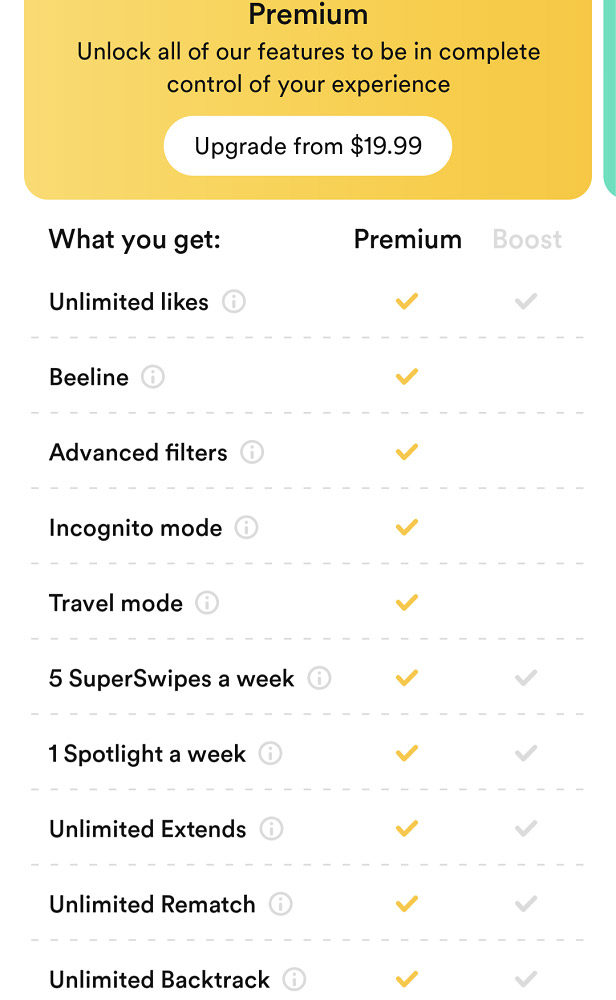
Premium usually includes Boost features plus Beeline, advanced filters, Travel Mode and Incognito Mode.
Beeline is especially important because it shows users who have already liked them. That can save time because users do not have to swipe blindly.
Travel Mode is useful for people who want to match in another city before arriving there.
Incognito Mode appeals to people who want more privacy because it allows them to limit who can see their profile.
Premium is best for users who are serious about using Bumble regularly and want to filter more carefully.
Bumble Premium+
Bumble also offers Premium+ in some markets.
Forbes Health’s 2026 review lists Premium+ as including the benefits of Boost and Premium, plus extra visibility tools such as fast-tracking likes, standing out daily, more SuperSwipes, Compliments and Spotlights.
Premium+ is designed for people who want maximum visibility.
For most users, it may feel expensive unless they are actively using the app and want faster results.
The main thing to remember is that paid features can increase visibility and convenience, but they do not guarantee better matches or better conversations.
Profile quality, communication and realistic expectations still matter.
Bumble Pricing
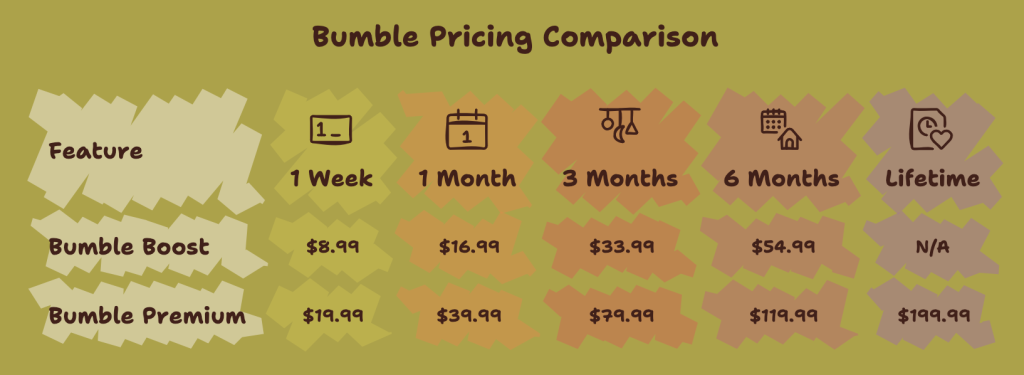
Bumble pricing varies by country, device, promotion, subscription length and app-store rules.
Forbes Health’s 2026 review listed Bumble Boost at $39.99 for one month, while Premium was listed at $32.99 for one week in its pricing sample.
Because pricing changes by region, users should treat online figures as estimates rather than fixed prices.
The safest way to check current pricing is inside the Bumble app in your own country.
Users should also be careful with weekly plans. Weekly subscriptions can look cheaper upfront but become expensive if left running.
Before paying, it is worth testing the free version first.
Free Version: Is It Enough?
The free version of Bumble is enough to understand how the app works.
Users can create a profile, swipe, match and message within the standard rules. For many people, that is enough to decide whether Bumble has an active user base in their area.
However, the free version can feel limited.
Users may not see who already liked them. They may have swipe limits. They may lose expired matches. They may feel that paid users get more visibility.
This is common across freemium dating apps.
The best approach is to use the free version first, improve the profile, test activity in your area, then decide whether a short paid plan is worth trying.
What Users Like About Bumble
Many users like Bumble because it feels more intentional than some dating apps.
The women-first design, profile prompts and time-limited matches can make conversations feel more focused.
The app also has a clean interface and a recognizable brand.
BFF and Bizz modes add extra value because users can meet people for friendship or networking, not just dating.
For people who are tired of chaotic messaging or low-effort matches, Bumble can feel like a better-organized alternative.
Its biggest strength is still its structure.
What Users Complain About
The most common complaints are limited visibility, paid features and match expiration.
Some users feel the free tier does not give them enough reach. Others feel that boosts, spotlights and premium subscriptions make the app too dependent on payment.
Match expiration can also frustrate users. If someone is busy and misses the 24-hour window, a potentially good match can disappear.
Another complaint is dating-app fatigue. Even with better structure, Bumble still depends heavily on swiping and profile-based judgment.
That can become repetitive over time.
Bumble Safety and Privacy
Bumble markets itself as a safer and more respectful dating app.
The App Store description says Bumble is a women-first dating app designed to create safer, more respectful connections and conversations.
Safety matters because users are meeting strangers online. Bumble’s tools can help, but users still need caution.
Good practice includes avoiding sharing sensitive personal information too early, using in-app chat before moving to other platforms, meeting only in public places, telling a trusted person about plans and blocking or reporting suspicious users.
For younger users, dating apps may also have age restrictions, and those restrictions should be respected.
No app can guarantee safety, so users should combine platform tools with personal caution.
Bumble in Kenya
Bumble has gained visibility in Kenya, especially among urban users who are comfortable with dating apps and social networking platforms.
In cities such as Nairobi, Mombasa, Kisumu, Nakuru and Eldoret, dating apps are becoming more common among young professionals, students above the required age and people looking to meet outside their immediate social circles.
Bumble’s women-first positioning can appeal to users who want more control over conversations.
However, its usefulness depends heavily on location. In areas with fewer users, matches may be limited.
For Kenyan users, the best way to judge Bumble is to test the free version and see how active the local pool is before paying for any subscription.
Who Bumble Makes Sense For
Bumble makes the most sense for users who want a more structured dating app.
It is especially useful for people who prefer profile prompts, time-limited matches and clearer conversation rules.
It can also work well for users who want friendship or light networking through BFF and Bizz.
Bumble may be less ideal for people who dislike time pressure, prefer unlimited free swiping or want a very large dating pool in smaller towns.
It is also not ideal for users who expect paid features to guarantee results. Subscriptions can help with visibility, but they cannot replace a good profile or respectful communication.
Bumble Versus Hinge
Bumble and Hinge are often compared because both try to feel more intentional than Tinder.
Bumble still uses swiping more visibly, while Hinge is built more around prompts and liking specific parts of a profile.
Bumble is better for users who like a faster swipe format but want more structure than Tinder.
Hinge may be better for users who prefer deeper profile-based matching and less emphasis on quick swipes.
Both apps face the same industry challenge: people want better matches, not just more matches.
Bumble’s future may depend on whether it can make its experience feel more meaningful.
Bumble Versus Tinder
Tinder remains the most obvious comparison.
Tinder is larger, faster and more casual in many markets. Bumble is more structured and has a stronger brand around respectful connections.
On Tinder, either person can message first. On Bumble, women-first mechanics and opening rules shape the conversation flow.
Tinder may offer more volume. Bumble may offer more control.
For many users, the best choice depends on the local user base.
In some cities, Tinder may be busier. In others, Bumble may offer better-quality matches.
Should You Pay for Bumble?
Most users should start with the free version.
A paid plan is worth considering only if the app already has active users in your area and your profile is getting some engagement.
Boost can make sense if you want more swipes, more match extensions and extra visibility.
Premium can make sense if you want to see who liked you, use advanced filters or browse in another location.
Premium+ is mainly for users who want maximum visibility and are comfortable paying more.
Before subscribing, check the renewal terms carefully. Weekly plans can become costly if forgotten.
Pros of Bumble
Bumble has a clear identity, a clean interface and multiple modes for dating, friendship and networking.
Its women-first design gives many users more control over conversations.
The 24-hour match window encourages action and reduces inactive matches.
Profile prompts make it easier to start conversations.
Paid features offer extra flexibility for people who use the app often.
BFF and Bizz give Bumble more value than a dating-only app.
Cons of Bumble
Bumble can feel restrictive for users who dislike time limits.
The free version may feel limited, especially when visibility drops or matches expire.
Paid plans can become expensive, especially weekly subscriptions.
The women-first model has also faced criticism because some users feel it creates pressure to start every conversation.
Like most dating apps, Bumble can also feel repetitive if users are swiping often but not getting meaningful conversations.
The app is useful, but it is not a magic solution to dating fatigue.
Bumble’s Biggest Challenge
Bumble’s biggest challenge is staying relevant.
Its women-first identity was once a major innovation. Today, many users are more concerned about dating-app fatigue, shallow swiping, poor conversations and expensive subscriptions.
The company’s declining paid users and revenue show that Bumble must do more than rely on its original brand.
It needs to make online dating feel less exhausting.
That may involve better matching, stronger safety tools, improved prompts, more meaningful recommendations and smarter use of AI.
If Bumble can solve that, it can remain important. If not, it risks becoming another app people download, try briefly and delete.
Final Verdict: Is Bumble Still Worth Trying?
Bumble is still worth trying, especially for users who want a more structured dating app with stronger conversation rules.
Its biggest strengths are its women-first identity, clean design, Date/BFF/Bizz modes and tools that encourage users to act instead of letting matches sit forever.
Its biggest weaknesses are paid-feature pressure, match expiration and the broader fatigue affecting all swipe-based dating apps.
Business-wise, Bumble is clearly under pressure. Reuters reported that the company has explored a sale, while its 2025 and Q1 2026 numbers show declining revenue and paying users.
User-wise, however, Bumble remains a functional and recognizable app.
The best approach is simple: try the free version first, build a strong profile, check whether the user base is active in your area, and only pay if the app is already working for you.
Conclusion: Bumble Still Has Value, But It Needs a Reset
Bumble remains one of the most recognizable dating apps in the world, built around a women-first model that changed how millions of users approached online dating.
Its Date, BFF and Bizz modes make it more versatile than a standard dating app. Its profile prompts, match timers and paid visibility tools give users more structure and control.
But Bumble’s business challenges are real. Revenue and paying users have declined, and the company has reportedly explored a possible sale.
That does not mean users should avoid the app. It means Bumble is at a turning point.
For now, Bumble is still a solid option for people who want a cleaner, more intentional alternative to Tinder. But its long-term future depends on whether it can evolve beyond swiping, reduce dating fatigue and give users better reasons to keep coming back.
Bumble is available on Play Store and App Store.
Read Also: KRA Tax Amnesty 2026: Who Qualifies and How to Claim