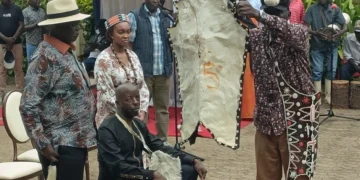
Discover the complex lineages of the Abanyole clans in Kenya. This detailed guide traces ancestry from Anyole through sub-lineages like Amukhoye, Abasilatsi, Abamutete, and Abamatakho.
1. Foundational Ancestor: Anyole
At the root of the Abanyole people stands Anyole, the widely accepted ancestral patriarch. From him descended three major sons:
- Amuli – The eldest, settled near the Luo boundary.
- Amukhoye (Omusilatsi) – The central figure for many lineages.
- Amutete – Settled at the Wekhomo cradle.
These sons formed the foundation for the main clan divisions: Abamuli, Abasilatsi, and Abamutete.
2. Lineage of Amukhoye (Omusilatsi)
Amukhoye is one of the most frequently cited progenitors in Abanyole oral history. His line descends as follows:
- Amukhoye
- Nakuti
- Namilemba (his sons: Abetsa, Namakanda, Chilundu, Asimuna, Nambweka, Kaalo, Atonji)
- Milemba
- Matakho (Chitwa) – Nicknamed due to his large size; sired Namilu, who sired Abuliba and Siebisa.
Some versions say Atonji was not sired by Amukhoye but was a child that his wife brought into the marriage from a previous union. This distinction is important in the clan’s internal identity debates.
3. Sub-Lineages within Abasilatsi
The Abasilatsi, believed to have stemmed from Amukhoye, include many prominent lineages:
- Ananda
- Angofu
- Chibwai
- Mbandu
- Nangatso
- Amukhobu
A narrated genealogy listed:
Raphael → Okwoku → Anjimbi → Chibwai → Nangatso → Amukhobu → Mbandu → Angofu → Matakho (Chitwa)
These lineages reflect a vertical descent and serve to explain social standing and land inheritance within the clan.
4. Abamatakho Lineage
The Abamatakho trace their roots through Chitwa (Matakho), a descendant of Amukhoye. His nickname came from his physique (“matakho” = buttocks). Chitwa’s line includes:
- Namilu
- Abuliba
- Siebisa
Their descendants often refer to themselves as Abanakuti, Ab’betsa, Abanambweka, or Abatonji, depending on the generational link they emphasize.
5. Abamutete Lineage
Though less detailed, the Abamutete are another major lineage. They claim ancestry from Amutete, the third son of Anyole. They are also linked with clans like Abakhobo, who are sometimes integrated within the larger Mutete family.
6. Lineage Disputes and Acceptance
The narrative also highlights disputes over legitimacy of lineages. Some groups like Abatonji and Abamuli are contested, with stories of children “brought into” homes or groups “welcomed in” rather than biologically descended from Anyole.
In one case, it was stated:
“They are not the sons of Anyole… They are clearly from Seme (Luo).”
Yet another speaker affirmed:
“They are our people!” showing the fluid and inclusive nature of identity.
7. Lineage as Identity and Inheritance Marker
Lineages were crucial for:
- Land allocation – Children bearing names from their maternal line could be denied land.
- Clan purity – Marriages and rituals required clarity on descent.
- Spiritual authority – Ritual leaders had to trace lineage accurately.
One elder explained:
“Our lineages are disappearing because of names… because names mean recognition.”
Conclusion
The Abanyole lineages are a tapestry woven from ancestral memory, migration, and oral tradition. While some lines are accepted as pure descendants of Anyole, others reflect cultural fusion, alliances, and inclusion. The intricate system preserves not only identity but also social order, land rights, and inter-clan harmony.
For more cultural articles and history documentation, visit:
👉 https://www.nyongesasande.com