Living with parents who bully—through harsh words, constant criticism, or belittling—can cut deep, leaving you isolated and hurt. You can’t control their behavior, but you can control how you cope. This guide offers practical steps and strategies to protect your peace, build resilience, and navigate the emotional minefield of a toxic home.
1. Carve Out a Safe Space
Find your sanctuary—a spot free from their reach. Your bedroom’s a solid pick if it’s private, or try the backyard, a friend’s place, or anywhere you feel untouchable. When their words sting, retreat there for calm. Skip shared spots like the living room; you need a real escape.
2. Walk Away When It Heats Up
Don’t fuel the fire. If they start jabbing, don’t argue—just leave. Head to your safe space, a relative’s, or anywhere but there. You don’t owe them a debate, especially not when it’s cruel. Staying to “take it” isn’t strength—it’s self-harm.
3. Set Firm Boundaries
You’re not their punching bag. Calmly state what’s off-limits: “I get that you disagree, but the insults stop—or I’m out.” Boundaries aren’t a cure, but they signal you’re not an easy target. Mean it, and follow through—less time at home if they cross the line.
4. Share Less
They don’t deserve your inner world. Bullies—at school or home—don’t get your dreams or fears. Keep personal stuff for friends or relatives who lift you up, not tear you down. Starve their ammo; oversharing just hands them more to twist.
5. Slap an “L” on Their Forehead
Mentally tag them “limited.” Their venom feels heavy, but it’s narrow— their view, not the world’s. Picture that “L” when they rant; it’s a reminder their opinion isn’t your truth. Your worth isn’t their call.
6. Stop Chasing Their Approval
Pleasing them won’t work if they’re wired to wound. Focus on you—what makes you happy, not them. If they mock your clothes, wear what you love. If they push sports, pick your own path. Your well-being trumps their scoreboard.
7. Think Before You Snap Back
Their barbs beg a comeback, but firing off impulsively escalates the mess. Go neutral instead: “That’s your take,” or “I’ll think on it.” It’s civil, keeps your dignity, and dodges a blowout. Save the real talk for when you’re cool-headed.
8. Face Old Wounds
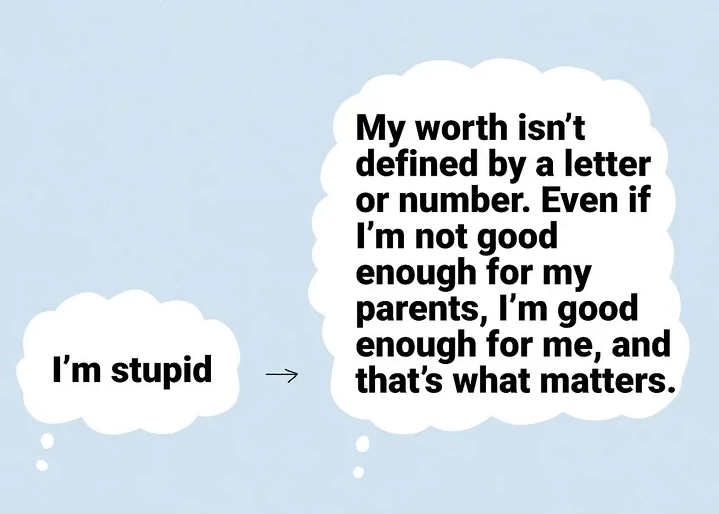
Their past digs—like calling you “stupid” as a kid—can echo loud. Trace those insecurities back and reframe them: “My grades don’t define me—I’m enough, even if they don’t see it.” You’re not that child anymore; their script doesn’t own you.
9. Prioritize Self-Care
Their bullying drains you—fight back with basics. Sleep well, eat real food, move your body (run, gym, whatever). Ditch toxic nights at home for friend hangouts or solo chill time. A stronger you shrugs off their noise easier.
10. Lean on Others
You’re not solo in this. Call a cool aunt, crash with friends, or hit up a supportive cousin. A solid crew reminds you you’re not the problem—they are. Build that network; it’s your armor.
11. Tap School Support
Schools often have counselors—book one. They’re pros at unpacking this stuff and can hand you tools to cope. Any trusted adult works too—teacher, nurse, whoever listens. You don’t need to figure it out alone.
12. Hit Up a Hotline
No one nearby to talk to? Hotlines are clutch—free, anonymous, 24/7. Try:
- US: 988 (Stop Bullying Now)
- UK: 0800 1111 (Childline)
- Canada: 800-668-6868 (Kids Help Phone)
- Australia: 1-800 55 1800 (Kids Helpline) A voice on the line can steady you when home feels like a trap.
Why It Helps
Bully parents thrive on power—you take it back by guarding your space, your words, and your heart. You can’t fix them, but you can shield yourself. Walking away, setting limits, and leaning on others shrink their hold. Self-care and support remind you their cruelty isn’t your truth. If it’s unbearable, those hotlines or a counselor are lifelines—use them. You’re tougher than their worst, and you’ve got this.