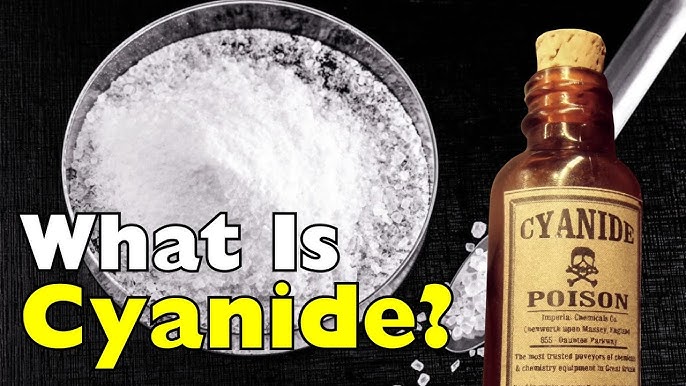
Cyanide toxicity is a rare yet potentially fatal form of poisoning that can occur through ingestion, inhalation, dermal absorption, or injection. It results from exposure to compounds containing cyanide ions, which interfere with the body’s ability to use oxygen. Historically, cyanide has been used in mass suicides, individual murders, and chemical warfare, notably in the form of Zyklon B during the Holocaust and the Jonestown mass suicide of 1978.
Today, cyanide exposure most commonly occurs through industrial accidents, smoke inhalation during structural fires, or suicide attempts involving cyanide salts. The condition affects multiple organ systems, including the neurological, respiratory, cardiovascular, and gastrointestinal systems.
Etiology and Risk Factors
The primary sources of cyanide exposure include:
- Inhalation of hydrogen cyanide gas, often released during the combustion of synthetic materials such as plastics.
- Ingestion of cyanide salts, including sodium cyanide and potassium cyanide, commonly linked to suicide attempts.
- Consumption of cyanogenic plants such as cassava, apricot pits, bitter almonds, and apple seeds. Improperly processed cassava has been linked to fatal outbreaks in parts of Africa.
- Occupational exposure in industries such as electroplating, mining, and chemical manufacturing.
- Medical exposure, such as prolonged use of sodium nitroprusside, a vasodilator that can release cyanide as a byproduct during metabolism.
Dermal exposure is rare but can occur during chemical spills or when contaminated clothing is not removed after an incident.
Epidemiology
Data from the National Poison Data System (2019–2023) show that 853 cyanide exposures were reported in the United States, with a 1.6% fatality rate. Adults accounted for most cases (86.5%), with males representing 68% of reported ingestions. Intentional self-harm accounted for 7.6% of exposures.
A 49-year review found that 84.3% of exposures resulted from ingestion, 7.8% from inhalation, and only 1% from dermal contact or intravenous administration.
Pathophysiology
Cyanide exerts its toxic effect by inhibiting cytochrome c oxidase, an enzyme essential for aerobic respiration within the mitochondria. This halts oxidative phosphorylation and prevents the production of adenosine triphosphate (ATP), forcing cells to rely on anaerobic metabolism. The resulting lactic acidosis is a hallmark of cyanide poisoning.
Without adequate oxygen utilization, tissues—especially those with high metabolic demands like the brain and heart—rapidly fail, leading to loss of consciousness, cardiovascular collapse, and death.
Toxicokinetics
- Inhalation of hydrogen cyanide causes symptoms within seconds due to rapid lung absorption.
- Ingestion of cyanide salts triggers toxicity within minutes to hours.
- Dermal absorption can occur more slowly, depending on concentration and exposure duration.
- Metabolism: The enzyme rhodanese (thiosulfate cyanide sulfurtransferase) detoxifies cyanide by converting it to thiocyanate, which is excreted in urine. Severe exposures deplete thiosulfate stores, reducing detoxification efficiency.
The lethal dose of sodium or potassium cyanide ranges from 50 to 200 mg, and ingestion of as little as 0.52 mg/kg can be fatal.
Clinical Presentation
Symptoms vary by severity and route of exposure.
Neurological: Headache, dizziness, confusion, seizures, and loss of consciousness.
Respiratory: Shortness of breath, tachypnea, respiratory failure.
Cardiovascular: Tachycardia, arrhythmias, hypotension, or cardiac arrest.
Gastrointestinal: Nausea, vomiting, abdominal pain.
Physical signs: “Cherry red” skin and the odor of bitter almonds, though rare (present in <15% of cases).
Patients exposed to cyanide gas develop symptoms within seconds, while ingestions progress more slowly, often over several hours.
Evaluation and Diagnosis
Cyanide poisoning is primarily a clinical diagnosis due to the lack of immediate laboratory confirmation. However, the following findings support diagnosis:
- Severe lactic acidosis with serum lactate ≥8 mmol/L.
- Arterialized venous blood—venous oxygen saturation >90%, reflecting failure of cellular oxygen use.
- Bright red venous blood, mimicking arterial oxygenation.
- Laboratory tests: CBC, metabolic panel, liver function tests, and cardiac biomarkers (troponin).
- Co-exposure screening for carbon monoxide, particularly in fire victims.
Management and Treatment
Acute Stabilization
Immediate priorities include:
- Securing the airway, ensuring adequate breathing, and stabilizing circulation.
- Administering 100% oxygen.
- Preparing for intubation if respiratory distress or altered consciousness is present.
- Providing intravenous fluids and vasopressors for hemodynamic support.
Decontamination
For dermal exposure, remove contaminated clothing and wash with soap and water.
For ingestion, activated charcoal can adsorb cyanide (35 mg per gram of charcoal) but should only be administered after securing the airway.
Antidotal Therapy
The first-line antidote is hydroxocobalamin (Cyanokit):
- Dose: 5 g IV over 15 minutes; may repeat once (total 10 g).
- Mechanism: Binds cyanide to form cyanocobalamin (vitamin B12), safely excreted in urine.
- Side effects: Temporary reddish skin and urine discoloration.
Alternative or adjunct antidotes include:
- Sodium nitrite (induces methemoglobinemia to sequester cyanide)
- Sodium thiosulfate (donates sulfur to aid cyanide detoxification)
However, these are less preferred due to risks of hypotension and poor central nervous system penetration.
Differential Diagnosis
Conditions that may mimic or coexist with cyanide poisoning include:
- Carbon monoxide poisoning (common in fire victims)
- Hydrogen sulfide exposure
- Severe sepsis, shock, or lactic acidosis of other etiologies
Prognosis and Complications
The outcome depends on dose, duration, and timeliness of treatment. Mortality is high without prompt antidotal therapy. Survivors may experience neurological sequelae, particularly Parkinsonian symptoms due to basal ganglia damage.
Common complications include:
- Memory loss
- Arrhythmia and hypotension
- Respiratory failure
- Seizures and dystonia
- Gait instability and cognitive decline
Consultation and Interprofessional Care
Consult a medical toxicologist or poison control center immediately when cyanide exposure is suspected. If cyanide poisoning is likely, antidote administration should not be delayed for consultation.
An interprofessional team—including emergency physicians, toxicologists, pharmacists, nurses, and respiratory therapists—is critical for effective management.
- Pharmacists ensure accurate antidote preparation.
- Nurses monitor patient response and maintain airway support.
- Respiratory therapists manage ventilatory assistance.
- Psychiatrists provide post-stabilization care for intentional ingestions.
Prevention and Patient Education
- Industrial workers should use personal protective equipment (PPE) when handling cyanogenic materials.
- Households should install smoke and carbon monoxide detectors to reduce fire-related exposures.
- Public education should focus on the dangers of consuming unprocessed cassava and other cyanogenic plants.
- Patients treated for intentional ingestion should receive mental health support and psychiatric evaluation.
Conclusion
Cyanide toxicity is a medical emergency that demands rapid recognition and coordinated care. Its hallmark—cellular hypoxia with normal oxygen saturation—requires clinicians to maintain a high index of suspicion. Prompt administration of hydroxocobalamin, combined with supportive therapy and interprofessional coordination, dramatically improves survival rates. Prevention through education, safety protocols, and early intervention remains the most effective strategy for reducing morbidity and mortality associated with cyanide poisoning.