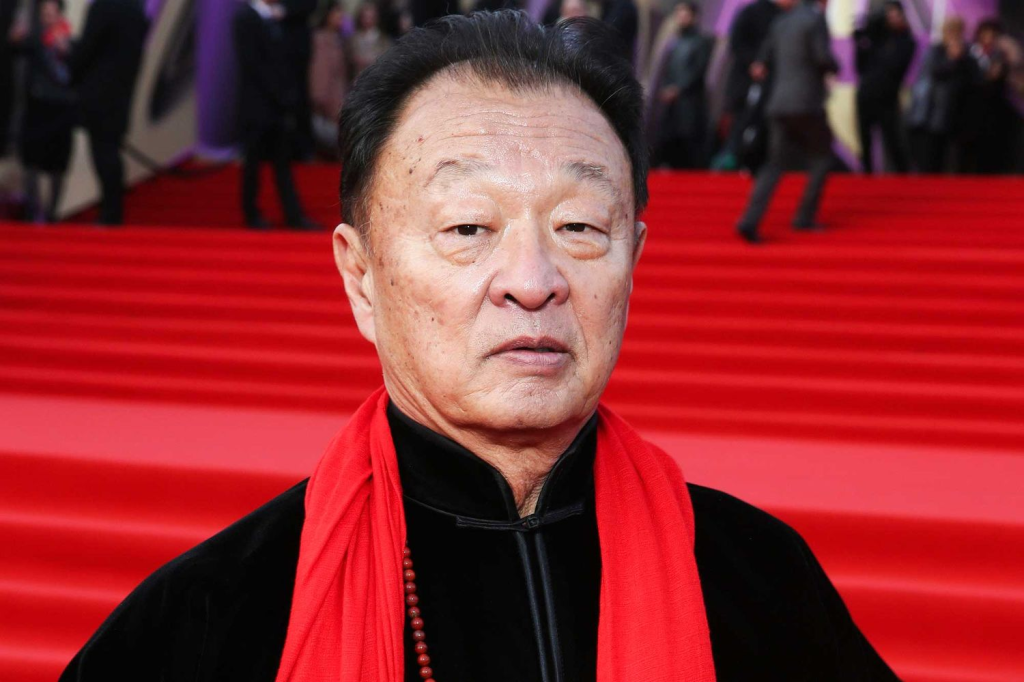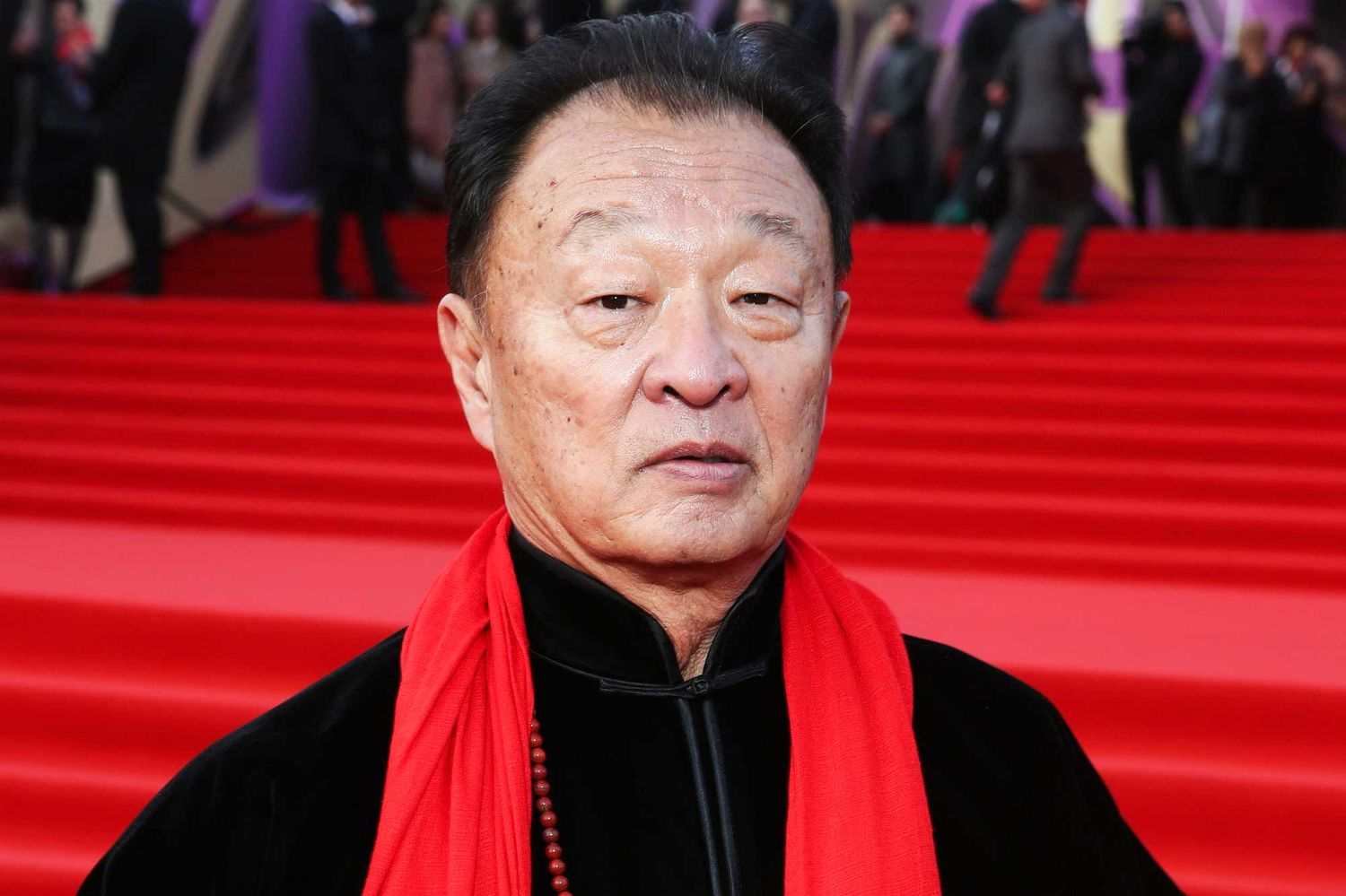
Cary-Hiroyuki Tagawa, a distinguished actor, martial artist, and film producer, was best known for his portrayal of Shang Tsung in the Mortal Kombat film series. With a net worth of $2 million, Tagawa’s career spanned over several decades, touching various aspects of entertainment from high-profile action films to critically acclaimed television roles. His success in the industry is a testament to his dedication to both his craft and martial arts. Let’s delve deeper into Tagawa’s journey, career, and legacy.
Early Life and Background
Cary-Hiroyuki Tagawa was born on September 27, 1950, in Tokyo, Japan. His father served in the U.S. Army, and his mother was a Japanese actress and performer, giving Tagawa an early exposure to both American and Japanese cultures. He spent his childhood moving frequently due to his father’s military career, which influenced his worldview and artistic sensibility.
Tagawa moved to the United States at a young age, where he attended University of Southern California (USC), studying martial arts and developing a passion for acting. At USC, Tagawa honed his skills, combining his interest in karate with his deepening love for performing. He also studied under the Japan Karate Association, perfecting his martial art techniques.
Early Career and Film Breakthrough
Tagawa’s career began in the 1980s, where he worked his way through smaller roles in film and television. His first major exposure came with “The Last Emperor” (1987), a historical epic directed by Bernardo Bertolucci. The film won several Academy Awards, marking a crucial step in Tagawa’s career.
Throughout the 1990s, Tagawa’s career continued to thrive, with memorable roles in action-packed films like “Showdown in Little Tokyo” (1991), “Rising Sun” (1993), and “Pearl Harbor” (2001). He was known for playing villains, often characters that embodied a menacing, yet charismatic energy.
However, it was his iconic portrayal of Shang Tsung in the 1995 film “Mortal Kombat” that solidified his place in cinematic history. Tagawa’s performance as the shape-shifting sorcerer made him synonymous with the Mortal Kombat franchise. His iconic line “Your soul is mine” is still remembered fondly by fans of the video game series.
Continued Success: Film and Television Roles
Beyond Mortal Kombat, Tagawa’s career flourished across film and television. He took on roles in movies like “Planet of the Apes” (2001), “47 Ronin” (2013), and “Memoirs of a Geisha” (2005), showcasing his versatility and ability to elevate any project he was part of. His range as an actor allowed him to move between high-profile Hollywood productions and smaller, independent films with ease.
One of the standout moments of his later career came in the Amazon series “The Man in the High Castle,” where Tagawa portrayed Trade Minister Nobusuke Tagomi. His performance in the show was widely praised for its depth and emotional complexity. Many consider this role to be one of the best of his career, as it showcased his ability to portray an honorable yet conflicted character in a morally complex narrative.
Martial Arts and Teaching: More Than Just Acting
Martial arts were not only a part of Tagawa’s acting roles, but they were integral to his life and philosophy. After years of training in traditional martial arts techniques in both Japan and the United States, he developed his own style, Chun-Shin, which blended physicality with mindfulness and emotional awareness.
Tagawa viewed martial arts as more than just a physical discipline; it was a philosophical practice. He taught Chun-Shin to others and used martial arts as the foundation for much of his acting preparation. His deep understanding of the mental and physical aspects of martial arts informed the performances he delivered on screen, especially in roles that required a strong physical presence.
Personal Life: Family and Philosophy
Tagawa’s personal life was characterized by his close family ties and his deep connection to nature and spirituality. He married his wife Sally, and together they raised their family on the island of Kauai in Hawaii. The couple had three children: Calen, Brynne, and Cana. Tagawa was also a grandfather to River and Thea Clayton.
His lifestyle was grounded in balance and self-awareness, focusing on maintaining mental health and well-being throughout his career. Tagawa also remained deeply involved with his Japanese heritage, maintaining a close connection to his roots even as his career blossomed in Hollywood.
Death and Legacy
Sadly, Cary-Hiroyuki Tagawa passed away on December 4, 2025, in Santa Barbara, California at the age of 75. The cause of his death was complications from a stroke. He is survived by his wife and children, and his death left a significant mark on both the entertainment industry and the martial arts community.
Tagawa’s legacy lives on through his work in film, television, and martial arts. His performances in films like “Mortal Kombat” and “The Last Emperor” will remain timeless, and his contributions to the martial arts community continue to inspire actors and performers around the world.
Cary-Hiroyuki Tagawa Net Worth Breakdown
Cary-Hiroyuki Tagawa’s estimated net worth of $2 million was accumulated through his acting career, work as a martial artist, and roles in various television and film productions. His steady career in both Hollywood and international projects reflects his versatility and consistency as an actor.
Key factors contributing to his wealth include:
- Film Roles: Major roles in blockbuster films such as “Mortal Kombat”, “Planet of the Apes”, and “Pearl Harbor”.
- Television Appearances: Prominent roles in shows like “The Man in the High Castle” and guest roles in various dramas.
- Martial Arts: Tagawa’s involvement in martial arts, including his development of the Chun-Shin style, which expanded his professional horizons beyond acting.
Conclusion
Cary-Hiroyuki Tagawa’s $2 million net worth is a testament to a life and career built on passion, discipline, and versatility. From his breakout role in “Mortal Kombat” to his later performances in “The Man in the High Castle”, Tagawa remains a beloved figure in both Hollywood and martial arts circles. His career exemplifies the power of sustained excellence and a dedication to mastering both art and craft. His legacy is not only defined by his roles but also by his deep connection to martial arts, philosophy, and his commitment to living a balanced and meaningful life.