


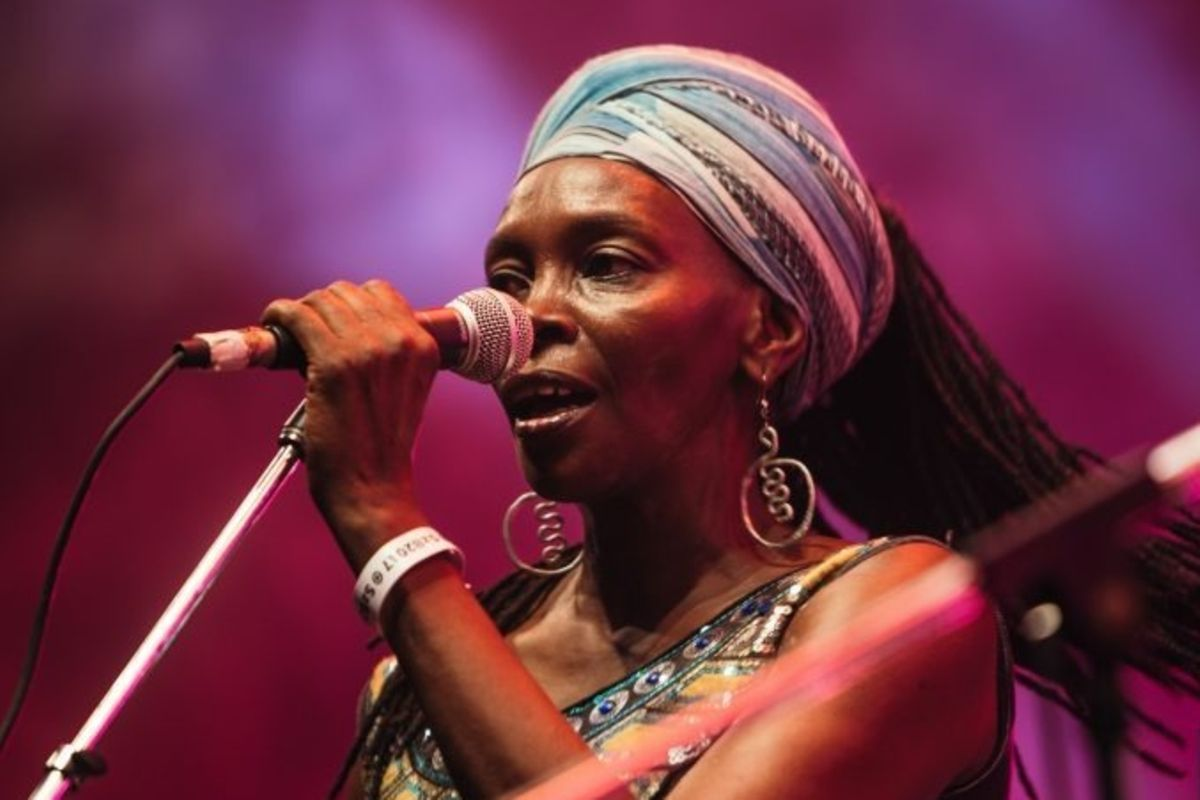
Carola Kinasha is one of Tanzania’s most influential cultural musicians, widely recognized for pioneering traditional fusion music in the country. Through her innovative blend of indigenous African sounds and contemporary musical styles, she helped create a distinctive musical identity that celebrates Tanzania’s cultural diversity while remaining relevant to modern audiences.
Beyond her achievements as a performer, Carola Kinasha is also known as an activist, educator, and advocate for musicians’ rights. Her work has extended beyond the recording studio into efforts aimed at strengthening music education, supporting artists, and preserving Tanzania’s cultural heritage.
Today, she is regarded as one of the most important figures in the development of contemporary Tanzanian fusion music.
Who Is Carola Kinasha?
Carola Daniel Amri Kinasha is a Tanzanian singer, songwriter, cultural advocate, and music activist.
She is best known for:
- Traditional fusion music
- Afro-fusion performances
- Cultural preservation
- Music education advocacy
- Musicians’ rights activism
Her work bridges traditional East African musical heritage and modern artistic expression.
Early Life and Family Background
Carola Kinasha was born in 1962 in Longido, northern Tanzania, near the Kenya-Tanzania border.
She grew up in a large family with eight children, where music formed an important part of everyday life.
A Musical Household
Music surrounded her from an early age.
Her father played the accordion, while her brothers performed various instruments including:
- Piano
- Organ
- Guitar
Family members regularly introduced new musical styles into the household.
These influences included:
- Country music
- Gospel music
- Soul music
- Classical music
- South African music
- Congolese music
- Traditional Tanzanian music
This exposure helped shape her broad musical perspective.
The Influence of Maasai Culture
Growing up in Longido exposed Kinasha to rich cultural traditions.
Traditional Ceremonies
As a child, she frequently attended community ceremonies where she observed:
- Maasai singing
- Traditional dances
- Indigenous rhythms
- Cultural storytelling
These experiences became a major source of inspiration.
Later in life, she would incorporate these traditional sounds into her music, helping preserve and modernize Tanzanian cultural heritage.
Education and Academic Background
Unlike many artists who enter the industry without formal academic training, Carola Kinasha pursued higher education.
She graduated from the University of Dar es Salaam with a Bachelor of Arts degree in International Relations.
Her educational background helped shape her understanding of:
- Social development
- Cultural diplomacy
- Advocacy
- Community empowerment
These themes would later appear in both her music and activism.
Understanding Traditional Fusion Music
Carola Kinasha is widely regarded as one of the pioneers of traditional fusion music in Tanzania.
What Is Traditional Fusion Music?
Traditional fusion combines indigenous African musical traditions with contemporary influences.
The style often blends:
- Traditional instruments
- Modern production
- Folk melodies
- Contemporary rhythms
- Cross-cultural influences
The goal is to preserve cultural identity while appealing to modern audiences.
Why It Matters
Fusion music helps:
- Preserve traditional culture
- Introduce younger generations to indigenous sounds
- Create new artistic possibilities
- Promote cultural diversity
Carola Kinasha became one of the earliest artists to successfully pursue this approach in Tanzania.
The Formation of Shada Band
During the late 1980s, Kinasha established the Shada Band.
A New Musical Vision
The group’s objective was ambitious:
To create an authentic Tanzanian sound that reflected the country’s cultural diversity.
Rather than imitating foreign musical trends, Shada Band sought inspiration from local traditions.
This approach helped distinguish the group within East Africa’s evolving music scene.
The Umoja Project
One of Carola Kinasha’s early professional achievements involved participation in the Umoja project.
Collaboration with Watafiti
In 1987, she worked with Tanzanian musician Watafiti on a collaborative recording project known as Umoja.
The project demonstrated her interest in musical experimentation and cultural exchange.
It also marked an important stage in her artistic development.
Music Career and Artistic Growth
Since launching her professional career in the late 1980s, Kinasha has remained committed to culturally inspired music.
Her work consistently explores themes such as:
- Identity
- Community
- Social change
- African heritage
- Cultural unity
Over time, she became recognized as one of Tanzania’s most respected alternative and fusion musicians.
Albums and Major Releases
Umoja (1988)
Her debut recording project introduced audiences to her unique musical direction.
The album reflected her early interest in blending traditional and contemporary sounds.
Maono (2007)
The title Maono means “visions” or “revelation” in Swahili.
The album expanded her artistic reach and demonstrated her mature fusion style.
A Cross-Cultural Sound
The music on Maono incorporates influences from:
- Tanzania
- Congo
- East Africa
- Contemporary African music
This combination helped distinguish her work from mainstream commercial productions.
Musical Style
Carola Kinasha’s music defies easy categorization.
Afro-Fusion
Her work incorporates African rhythms and melodies from multiple traditions.
Bongo-Fusion
She blends elements of Tanzania’s modern urban music with indigenous sounds.
Traditional Storytelling
Many of her songs draw upon cultural narratives and social themes.
Acoustic Influences
Her use of guitar and vocal arrangements creates a warm and authentic sound.
The result is music that feels both contemporary and deeply rooted in African tradition.
Advocacy for Musicians’ Rights
Carola Kinasha’s influence extends beyond performance.
She has been one of Tanzania’s most visible advocates for musicians’ welfare.
Fighting for Artists
Her advocacy efforts have focused on:
- Fair treatment of musicians
- Copyright awareness
- Professional recognition
- Improved industry standards
These efforts have contributed to discussions about protecting creative professionals in Tanzania.
Promoting Music Education
One of Kinasha’s most important initiatives has involved education.
Bringing Music Back to Schools
She has worked on campaigns aimed at restoring music education within Tanzanian schools.
Supporters of these initiatives argue that music education:
- Preserves culture
- Encourages creativity
- Supports youth development
- Strengthens national identity
Her efforts have helped keep this conversation alive within cultural policy discussions.
Music Mayday
Carola Kinasha has also been involved with Music Mayday.
Supporting the Music Industry
Through this platform, she has contributed to initiatives that support musicians and strengthen Tanzania’s creative sector.
Her work reflects a long-term commitment to sustainable development within the arts.
International Recognition
Kinasha’s contributions have attracted recognition beyond Tanzania.
MA Africa Awards
She received recognition through the MA Africa Awards in South Africa, highlighting her influence as both a musician and cultural advocate.
Cross-Border Appeal
Her music has successfully crossed cultural and geographic boundaries, attracting audiences across East and Central Africa.
This international appeal demonstrates the universal nature of her artistic message.
Film and Documentary Appearances
Carola Kinasha’s cultural contributions have also been documented on film.
Mwamba Ngoma (2009)
She appeared as herself in the documentary Mwamba Ngoma.
The project highlighted important aspects of Tanzanian music and culture.
Documentary appearances help preserve the stories of artists who have shaped the country’s creative landscape.
Influence on Tanzanian Music
Carola Kinasha helped create space for artists who wanted to explore indigenous sounds.
Her influence can be seen in:
- Fusion music movements
- Cultural preservation projects
- Alternative African music
- Music education initiatives
Many contemporary artists benefit from the foundation laid by pioneers such as Kinasha.
Legacy
Carola Kinasha’s legacy extends beyond hit songs or commercial success.
She is remembered for:
- Preserving Tanzanian traditions
- Pioneering fusion music
- Supporting musicians’ rights
- Promoting music education
- Encouraging cultural pride
Her work continues to inspire artists, educators, and cultural advocates throughout East Africa.
Key Takeaways
- Carola Kinasha was born in Longido, Tanzania.
- She is a pioneer of traditional fusion music.
- She founded the Shada Band in the late 1980s.
- She graduated from the University of Dar es Salaam.
- Her music blends traditional African and modern sounds.
- She advocates for musicians’ rights and music education.
- She gained recognition through the MA Africa Awards.
- She remains an influential figure in Tanzanian cultural music.
Frequently Asked Questions
Who is Carola Kinasha?
Carola Kinasha is a Tanzanian musician, cultural advocate, and pioneer of traditional fusion music.
What type of music does Carola Kinasha perform?
She performs Afro-fusion and Bongo-fusion music that combines traditional African sounds with modern influences.
Where was Carola Kinasha born?
She was born in Longido, Tanzania, near the Kenyan border.
What is Shada Band?
Shada Band is the musical group founded by Carola Kinasha to create an authentic Tanzanian fusion sound.
What is Carola Kinasha known for besides music?
She is known for advocating for musicians’ rights and supporting music education initiatives.
What albums has Carola Kinasha released?
Her notable albums include Umoja (1988) and Maono (2007).
Conclusion
Carola Kinasha occupies a unique place in Tanzanian music history. Through her pioneering fusion of traditional African sounds and modern musical influences, she helped redefine how cultural heritage could be expressed in contemporary music. Beyond her artistic achievements, her advocacy for musicians, commitment to education, and dedication to preserving Tanzanian culture have made her one of the country’s most respected cultural figures. Her influence continues to resonate across East Africa, inspiring artists to embrace innovation without abandoning their roots.


