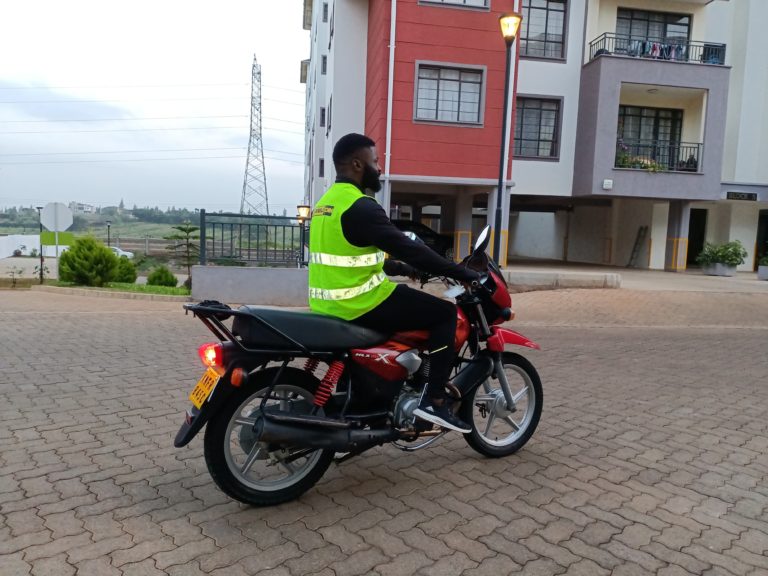
Boda Boda Laws in Kenya 2025: What Every Rider Must Know About Safety and Insurance. Boda bodas are the heartbeat of Kenya’s urban and rural transport networks, moving millions of passengers daily. In 2025, sweeping new reforms have reshaped the sector to prioritize safety, insurance, and professionalism. If you’re a rider or operator, understanding the Boda Boda Laws in Kenya 2025 is crucial to staying compliant, protected, and in business.
Understanding the Public Transport (Motorcycle Regulation) Bill, 2023
This law forms the backbone of new boda boda regulation in Kenya. Key highlights include:
| Regulation Area | Requirement |
|---|---|
| County Oversight | Counties to form transport boards to manage registration and licensing |
| Registration | Mandatory registration and licensing through county boards |
| Technology | GPS tracking devices required on all commercial motorcycles |
| Safety Gear | Riders and passengers must wear KEBS-approved helmets and jackets |
| Organization | All operators must join cooperative societies |
Key Safety Rules Every Rider Must Follow
Licensing & Training:
- Riders must have a valid motorcycle driving license.
- NTSA has reduced licensing fees to KSh 3,000.
- Mandatory training covers road safety, traffic laws, customer care, and emergency response.
Safety Gear:
- Motorcycle owners must provide two KEBS-certified helmets and reflective jackets.
- Both rider and passenger must wear them at all times.
- Carrying young children has new safety guidelines.
Passenger & Load Limits:
- Only one adult passenger is allowed.
- Cargo must not exceed 50kg and should not protrude.
- Headlights must remain on throughout the ride.
Prohibited Practices and Penalties:
| Offense | Penalty |
|---|---|
| Riding on sidewalks | Up to KSh 20,000 fine or 6 months jail |
| Riding against traffic | Fines and possible jail time |
| Gang intimidation or harassment | KSh 100,000 fine or 1 year imprisonment |
| Unauthorized parking | Monetary fines |
Speed Limits:
- 30 km/h in school/residential zones
- 80 km/h on highways
- Speed enforcement includes patrols and radar guns
Mandatory Insurance Requirements for 2025
Insurance is now non-negotiable. All boda boda riders must have minimum coverage.
| Insurance Type | Coverage Description | Approx. Cost (KSh) | Requirement |
|---|---|---|---|
| TPO Insurance | Covers third-party injury/damage | From 3,000/year | Mandatory |
| PLL Insurance | Covers passenger legal claims | ~500/year | Mandatory |
| PA Insurance | Covers rider injuries, disability, or death | From 500/year | Optional |
- TPO: Basic legal requirement. Excludes rider and bike damage.
- PLL: Must-have if you carry passengers.
- PA Cover: Highly recommended for personal protection and medical costs.
Step By Step Insurance: Simplifying Compliance
Step By Step Insurance makes it easy for boda boda riders to meet legal requirements affordably:
- Tailored Products: TPO, PLL, and PA covers from as low as KSh 2,500
- Instant Coverage: Pay via mobile money and get digital insurance certificates immediately
- Expert Advice: Choose the best coverage with help from professionals
- Ongoing Support: Get help with claims, updates on changing laws, and safety tips
📞 Contact: +254 729 712 200 / +254 716 534 192
🌐 Visit: Step by Step Insurance – Get A Quote
Counties and Cooperatives: Localizing Enforcement
County governments now handle:
- Licensing and local boda boda registration
- Enforcing safety and passenger limits
- Supporting rider cooperatives to boost bargaining power and accountability
What Riders Should Do Now
- Get licensed under the new NTSA provisions
- Join a cooperative and register with your county board
- Install GPS tracking on your motorcycle
- Purchase TPO and PLL insurance to avoid legal trouble
- Stay updated on local enforcement via WhatsApp rider groups and official updates
Conclusion
The Boda Boda Laws in Kenya 2025 reflect the government’s commitment to safety, accountability, and sustainable livelihoods. While the rules are stricter, they aim to protect both riders and passengers. By embracing insurance, proper gear, and formal registration, riders can operate confidently and legally in a sector that remains vital to Kenya’s economy.