Technology Companies in the United States dominate the global digital economy, shaping how people communicate, shop, work, search, advertise, bank, stream, build software, use artificial intelligence, and run businesses. From Silicon Valley and Seattle to Austin, New York, Boston, San Diego, and Raleigh, the U.S. technology sector remains one of the most powerful engines of innovation, employment, productivity, and investment.
The industry is broad. It includes consumer electronics, cloud computing, artificial intelligence, semiconductors, enterprise software, cybersecurity, e-commerce, social media, digital advertising, payments, chips, streaming, electric vehicles, robotics, and data infrastructure. The strongest U.S. technology companies are not simply large; they control platforms, developer ecosystems, customer relationships, infrastructure, patents, data, chips, software tools, and distribution networks.
Demand is being driven by artificial intelligence, cloud migration, digital payments, data centers, cybersecurity threats, enterprise automation, remote work, consumer devices, advertising platforms, and the need for faster computing. AI has become the biggest force reshaping the sector, benefiting companies that own chips, cloud platforms, software ecosystems, enterprise customers, and large-scale data infrastructure.
This guide profiles the best Technology Companies in the United States, explains why they matter, and breaks down their services, industries served, competitive advantages, and long-term outlook. It is written for readers researching U.S. tech leaders from a business, investment, employment, partnership, or market-analysis perspective.
Industry Overview: Technology Companies in the United States
The U.S. technology industry is one of the largest and most influential sectors in the world. It includes trillion-dollar platform companies, fast-growing AI firms, semiconductor leaders, cybersecurity vendors, SaaS providers, cloud infrastructure companies, and specialized enterprise software businesses.
The sector is driven by several major trends. Artificial intelligence is increasing demand for GPUs, data centers, cloud platforms, model training, enterprise AI software, and automation tools. Cloud computing continues to replace legacy corporate IT systems. Cybersecurity is expanding because businesses face more attacks, stricter compliance rules, and larger digital footprints. Semiconductor demand is rising because AI, vehicles, devices, defense systems, and industrial automation require advanced chips.
The biggest opportunities are in AI infrastructure, enterprise software, cloud security, edge computing, robotics, chip design, digital health, financial technology, autonomous systems, and data analytics. However, challenges remain. These include antitrust scrutiny, data privacy concerns, supply-chain risk, energy-hungry data centers, export restrictions, talent competition, cybersecurity threats, and pressure to prove AI profitability.
The future of U.S. technology will likely be shaped by companies that can combine scale, innovation, trust, developer ecosystems, cloud infrastructure, chips, and recurring revenue models.
Ranking Methodology
This directory evaluates technology companies based on market influence, innovation, revenue strength, product ecosystem, customer reach, AI and cloud positioning, technical leadership, brand power, enterprise importance, and long-term relevance.
The companies are not ranked only by market capitalization. A semiconductor company may be more strategically important than a consumer platform in the AI era. A software company may be smaller than a hardware company but more essential to enterprise operations. The article focuses on companies that define major technology categories in the United States.
Best Technology Companies in the United States
NVIDIA
Overview
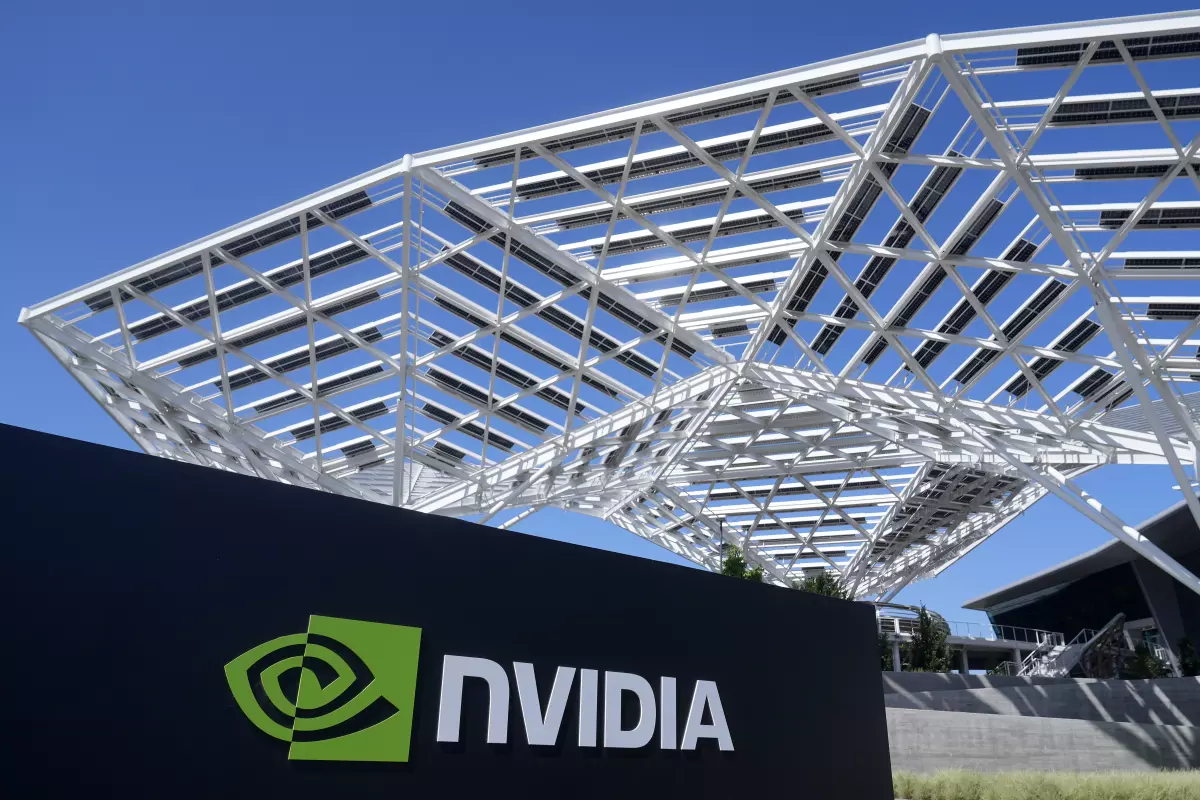
NVIDIA has become one of the most important technology companies in the United States because it sits at the center of the artificial intelligence infrastructure boom. Originally known for graphics processing units used in gaming, NVIDIA has evolved into the leading supplier of accelerated computing hardware and software for AI training, AI inference, data centers, robotics, autonomous vehicles, scientific computing, and high-performance computing.
Its GPUs power many of the largest AI models, cloud platforms, research systems, and enterprise AI deployments. The company’s influence extends beyond chips because it also offers CUDA software, networking systems, AI frameworks, developer tools, and full-stack computing platforms.
Services Offered
NVIDIA provides GPUs, AI accelerators, data center systems, networking, gaming GPUs, workstation products, autonomous vehicle platforms, robotics tools, AI software, simulation platforms, and developer ecosystems.
Industries Served
The company serves cloud providers, AI labs, enterprises, automakers, game developers, healthcare companies, research institutions, governments, robotics firms, and data center operators.
Notable Projects
NVIDIA’s data center platforms are widely used for generative AI, high-performance computing, and enterprise AI workloads.
Competitive Advantages
NVIDIA’s advantage is its full-stack ecosystem. It combines chips, software, networking, developer tools, and customer relationships in a way few rivals can match.
Headquarters
Santa Clara, California.
Website
nvidia.com
Why It Stands Out
NVIDIA stands out because AI infrastructure has become one of the most important technology markets in the world, and NVIDIA is the dominant company powering that shift.
Microsoft
Overview
Microsoft is one of the most diversified and strategically important technology companies in the United States. It operates across cloud computing, enterprise software, AI, productivity tools, gaming, cybersecurity, developer platforms, business applications, and operating systems.
Microsoft Azure is one of the world’s leading cloud platforms. Microsoft 365 remains central to workplace productivity. GitHub supports developers globally. LinkedIn dominates professional networking. Xbox gives Microsoft a major gaming presence. The company’s partnership with OpenAI and its integration of AI into Copilot products have strengthened its position in enterprise AI.
Services Offered
Microsoft offers cloud computing, productivity software, operating systems, AI tools, cybersecurity, business applications, developer platforms, gaming, professional networking, databases, and collaboration tools.
Industries Served
The company serves enterprises, governments, schools, developers, consumers, healthcare providers, manufacturers, financial institutions, retailers, and nonprofits.
Notable Projects
Microsoft Copilot, Azure AI, Microsoft 365, GitHub, Teams, Windows, LinkedIn, and Xbox are among its most important products.
Competitive Advantages
Microsoft’s advantage is enterprise trust. It already has deep relationships with businesses, governments, and developers, making AI and cloud adoption easier through existing customer channels.
Headquarters
Redmond, Washington.
Website
microsoft.com
Why It Stands Out
Microsoft stands out because it combines cloud, AI, software, cybersecurity, productivity, and enterprise distribution better than almost any other U.S. technology company.
Apple
Overview
Apple is one of the most valuable consumer technology companies in the world and one of the most recognizable brands in the United States. It designs and sells iPhone, Mac, iPad, Apple Watch, AirPods, Vision Pro, and a growing portfolio of services.
Apple’s strength is its ecosystem. Hardware, software, services, payments, privacy features, chips, retail stores, and developer platforms work together to create a highly loyal customer base. The iPhone remains the core of the business, but services such as the App Store, iCloud, Apple Music, Apple TV+, AppleCare, Apple Pay, and subscriptions have become increasingly important.
Services Offered
Apple offers smartphones, computers, tablets, wearables, headphones, mixed-reality devices, operating systems, app distribution, cloud services, payments, streaming, customer support, and digital subscriptions.
Industries Served
Apple serves consumers, developers, businesses, schools, healthcare users, creators, retailers, financial services partners, and entertainment customers.
Notable Projects
Apple’s most important products include iPhone, Mac, iPad, Apple Watch, AirPods, Vision Pro, iOS, macOS, Apple Pay, and the App Store.
Competitive Advantages
Apple’s advantage is premium ecosystem control. It owns the device, operating system, app platform, services layer, retail experience, and customer relationship.
Headquarters
Cupertino, California.
Website
apple.com
Why It Stands Out
Apple stands out because it combines design, hardware, software, privacy positioning, services, and brand loyalty at unmatched consumer scale.
Alphabet
Overview
Alphabet is the parent company of Google and one of the most powerful technology groups in the United States. Its core businesses include Google Search, YouTube, Android, Google Cloud, Google Ads, Google Maps, Chrome, Gmail, Google Workspace, Waymo, and DeepMind.
Alphabet dominates digital advertising and search while also competing aggressively in cloud computing and artificial intelligence. Google’s AI research capabilities are among the deepest in the world, and its products reach billions of users.
Services Offered
Alphabet offers search, digital advertising, cloud computing, video streaming, mobile operating systems, productivity software, maps, AI research, autonomous driving technology, consumer devices, and app distribution.
Industries Served
The company serves advertisers, consumers, enterprises, developers, creators, publishers, governments, schools, retailers, app developers, and mobility companies.
Notable Projects
Google Search, YouTube, Android, Google Cloud, Gemini, DeepMind, Waymo, Chrome, Gmail, and Google Maps are among its most important platforms.
Competitive Advantages
Alphabet’s advantage is data, AI talent, distribution, advertising scale, and product reach across search, video, mobile, maps, and cloud.
Headquarters
Mountain View, California.
Website
abc.xyz
Why It Stands Out
Alphabet stands out because it controls some of the internet’s most important gateways: search, video, mobile operating systems, maps, advertising, and AI research.
Amazon
Overview
Amazon is both a technology company and one of the world’s largest commerce platforms. Its technology influence comes mainly from Amazon Web Services, e-commerce infrastructure, logistics technology, digital advertising, streaming, devices, AI services, and marketplace systems.
AWS is one of the world’s most important cloud computing platforms, serving startups, enterprises, governments, media companies, financial institutions, healthcare providers, and AI developers. Amazon’s retail business also relies on advanced logistics, robotics, personalization, payments, and data systems.
Services Offered
Amazon offers cloud computing, e-commerce, marketplace services, digital advertising, logistics technology, streaming, AI tools, smart devices, fulfillment, payments, and enterprise cloud infrastructure.
Industries Served
The company serves consumers, sellers, developers, enterprises, governments, media companies, retailers, advertisers, logistics clients, and startups.
Notable Projects
Amazon Web Services, Amazon Marketplace, Prime, Alexa, Kindle, Fire TV, Amazon Ads, and fulfillment robotics are key parts of the business.
Competitive Advantages
Amazon’s advantage is infrastructure. It combines cloud, logistics, marketplace scale, consumer data, and operational discipline.
Headquarters
Seattle, Washington, and Arlington, Virginia.
Website
amazon.com
Why It Stands Out
Amazon stands out because it operates at massive scale across cloud, commerce, advertising, logistics, entertainment, and AI infrastructure.
Meta Platforms
Overview
Meta Platforms is one of the most influential social technology companies in the United States. It owns Facebook, Instagram, WhatsApp, Messenger, Threads, Reality Labs, and major AI research and infrastructure programs.
Meta’s core business is digital advertising, powered by massive social platforms and recommendation systems. The company is also investing heavily in artificial intelligence, open-source AI models, data center infrastructure, augmented reality, virtual reality, and social commerce.
Services Offered
Meta offers social networking, messaging, digital advertising, short-form video, business pages, creator tools, AI models, virtual reality hardware, augmented reality research, and communication platforms.
Industries Served
Meta serves consumers, advertisers, creators, small businesses, developers, media companies, e-commerce brands, and enterprise communication users.
Notable Projects
Facebook, Instagram, WhatsApp, Messenger, Threads, Meta AI, Llama, Quest headsets, and Reality Labs are key platforms.
Competitive Advantages
Meta’s advantage is user scale and social data. Its platforms reach billions of users and provide advertisers with powerful targeting and engagement tools.
Headquarters
Menlo Park, California.
Website
meta.com
Why It Stands Out
Meta stands out because it controls several of the world’s largest social and messaging platforms while investing aggressively in AI and immersive computing.
Broadcom
Overview
Broadcom is one of the most important semiconductor and infrastructure software companies in the United States. It designs chips used in networking, broadband, wireless, storage, data centers, and enterprise infrastructure. Its acquisition of VMware expanded its role in enterprise software and cloud infrastructure.
Broadcom is especially important in the AI era because data centers need high-performance networking, custom silicon, connectivity, and infrastructure software. The company serves some of the largest cloud, telecom, enterprise, and hardware customers in the world.
Services Offered
Broadcom provides semiconductors, networking chips, storage products, broadband chips, wireless components, enterprise software, cloud infrastructure software, cybersecurity software, and VMware products.
Industries Served
The company serves cloud providers, telecom operators, enterprise IT departments, hardware manufacturers, data centers, cybersecurity teams, and infrastructure providers.
Notable Projects
Broadcom’s VMware acquisition made it a major player in virtualization, private cloud, and enterprise infrastructure software.
Competitive Advantages
Broadcom’s advantage is its combination of mission-critical chips and enterprise infrastructure software.
Headquarters
Palo Alto, California.
Website
broadcom.com
Why It Stands Out
Broadcom stands out because it is deeply embedded in networking, data centers, cloud infrastructure, and enterprise software systems.
Oracle
Overview
Oracle is one of the most established enterprise technology companies in the United States. It is best known for databases, enterprise software, cloud infrastructure, business applications, and industry-specific systems.
Oracle remains highly relevant because large corporations, governments, banks, retailers, hospitals, and telecom companies depend on its databases and enterprise software. Oracle Cloud Infrastructure has also grown as demand for AI workloads and enterprise cloud services increases.
Services Offered
Oracle provides databases, cloud infrastructure, enterprise applications, ERP systems, human capital management software, customer experience tools, analytics, healthcare technology, and AI infrastructure.
Industries Served
Oracle serves enterprises, governments, banks, hospitals, retailers, telecom companies, manufacturers, universities, and cloud customers.
Notable Projects
Oracle Database, Oracle Cloud Infrastructure, NetSuite, Fusion Cloud Applications, and Cerner-related healthcare technology are key platforms.
Competitive Advantages
Oracle’s advantage is enterprise depth. Many mission-critical business systems are built on Oracle technology.
Headquarters
Austin, Texas.
Website
oracle.com
Why It Stands Out
Oracle stands out because it remains central to enterprise databases, cloud infrastructure, business software, and mission-critical corporate systems.
Salesforce
Overview
Salesforce is the leading U.S. company in customer relationship management software. It helped define the software-as-a-service model and remains one of the most important enterprise software companies in the world.
Salesforce helps companies manage sales, marketing, customer service, commerce, analytics, automation, and customer data. Its platform has expanded through products such as Slack, Tableau, MuleSoft, Data Cloud, and AI tools.
Services Offered
Salesforce offers CRM software, sales automation, marketing automation, service software, analytics, integration tools, collaboration software, customer data platforms, commerce tools, and AI assistants.
Industries Served
The company serves sales teams, marketers, customer service departments, retailers, banks, healthcare providers, manufacturers, nonprofits, governments, and technology companies.
Notable Projects
Sales Cloud, Service Cloud, Marketing Cloud, Tableau, Slack, MuleSoft, Data Cloud, and Agentforce are major products.
Competitive Advantages
Salesforce’s advantage is CRM leadership and a broad enterprise ecosystem of apps, developers, consultants, and integrations.
Headquarters
San Francisco, California.
Website
salesforce.com
Why It Stands Out
Salesforce stands out because it remains the benchmark company for enterprise CRM and customer-focused business software.
Adobe
Overview
Adobe is one of the most important software companies in the United States, especially in creativity, digital media, marketing, design, documents, and customer experience. Its products are essential for designers, photographers, video editors, marketers, publishers, agencies, businesses, and creators.
Adobe’s core strength is its subscription software ecosystem. Creative Cloud, Document Cloud, and Experience Cloud give it major influence across content creation, digital documents, marketing workflows, and brand management. The company is also integrating generative AI through Adobe Firefly and other creative tools.
Services Offered
Adobe offers creative software, design tools, video editing, photo editing, document management, e-signatures, marketing analytics, customer experience platforms, generative AI tools, and digital publishing software.
Industries Served
Adobe serves creators, agencies, marketers, enterprises, publishers, photographers, filmmakers, educators, government agencies, and small businesses.
Notable Projects
Photoshop, Illustrator, Premiere Pro, Acrobat, Adobe Sign, Creative Cloud, Experience Cloud, and Firefly are major products.
Competitive Advantages
Adobe’s advantage is creative software dominance and deep integration into professional content workflows.
Headquarters
San Jose, California.
Website
adobe.com
Why It Stands Out
Adobe stands out because it owns many of the world’s most important tools for digital creation, design, documents, and marketing.
Tesla
Overview
Tesla is one of the most influential technology-driven manufacturing companies in the United States. While often classified as an automaker, Tesla is also a major technology company because of its work in electric vehicles, batteries, software, autonomous driving, robotics, energy storage, charging networks, and manufacturing systems.
Tesla’s impact extends beyond vehicles. It pushed the auto industry toward electric mobility and helped make software-defined vehicles a mainstream concept. Its energy storage, charging infrastructure, and AI-driven autonomy efforts make it relevant across transportation and energy technology.
Services Offered
Tesla offers electric vehicles, battery systems, energy storage, solar products, charging infrastructure, autonomous driving software, vehicle software updates, and robotics research.
Industries Served
The company serves consumers, fleet buyers, energy customers, utilities, charging users, automotive markets, and clean energy sectors.
Notable Projects
Model 3, Model Y, Cybertruck, Tesla Energy, Supercharger network, Full Self-Driving software, Megapack, and Optimus robotics are key projects.
Competitive Advantages
Tesla’s advantage is vertical integration across software, batteries, vehicles, charging, manufacturing, and energy systems.
Headquarters
Austin, Texas.
Website
tesla.com
Why It Stands Out
Tesla stands out because it combines automotive technology, clean energy, software, AI, and manufacturing innovation in one company.
Intel
Overview
Intel is one of the most important semiconductor companies in American technology history. It designs and manufactures processors used in PCs, servers, data centers, networking, edge devices, and industrial systems.
Although Intel faces intense competition from NVIDIA, AMD, TSMC, and other chip companies, it remains strategically important because the United States wants stronger domestic semiconductor manufacturing. Intel’s foundry ambitions and advanced manufacturing investments are central to U.S. chip policy and supply-chain resilience.
Services Offered
Intel offers CPUs, data center processors, AI accelerators, networking chips, edge computing products, foundry services, semiconductor manufacturing, and software tools.
Industries Served
The company serves PC makers, cloud providers, enterprises, governments, telecom firms, device manufacturers, industrial companies, and data center operators.
Notable Projects
Intel Core processors, Xeon processors, Intel Foundry, advanced packaging, and domestic chip manufacturing investments are key areas.
Competitive Advantages
Intel’s advantage is its long chipmaking history, x86 ecosystem, engineering depth, and U.S.-based manufacturing strategy.
Headquarters
Santa Clara, California.
Website
intel.com
Why It Stands Out
Intel stands out because it remains a strategic company for U.S. semiconductor independence and enterprise computing.
Advanced Micro Devices
Overview
Advanced Micro Devices, known as AMD, is a major U.S. semiconductor company competing in CPUs, GPUs, data center chips, gaming hardware, embedded processors, and AI accelerators. AMD has become more important as demand grows for alternatives in high-performance computing and AI infrastructure.
AMD’s EPYC processors have gained traction in servers and cloud data centers. Its Radeon GPUs serve gaming and professional graphics markets, while Instinct accelerators target AI and high-performance computing.
Services Offered
AMD provides CPUs, GPUs, data center processors, AI accelerators, embedded chips, gaming hardware, adaptive computing products, and software tools.
Industries Served
The company serves cloud providers, PC makers, gamers, data centers, enterprises, console makers, industrial firms, automotive companies, and AI developers.
Notable Projects
AMD EPYC processors, Ryzen CPUs, Radeon GPUs, Instinct accelerators, and Xilinx adaptive computing products are major platforms.
Competitive Advantages
AMD’s advantage is competitive chip design across CPUs, GPUs, and data center processors.
Headquarters
Santa Clara, California.
Website
amd.com
Why It Stands Out
AMD stands out because it provides strong competition in processors and accelerators, which is critical for cloud, AI, gaming, and enterprise computing.
Industry Trends Shaping Technology Companies in the United States
Artificial Intelligence Infrastructure
AI is the biggest force reshaping U.S. technology. It is driving demand for GPUs, custom chips, data centers, cloud platforms, software tools, and enterprise automation. Companies with AI infrastructure, cloud customers, and developer ecosystems are best positioned.
Cloud Computing Expansion
Cloud platforms continue to replace traditional IT systems. Businesses are moving workloads, databases, security tools, analytics, and AI applications to cloud environments. This benefits Microsoft, Amazon, Google, Oracle, and enterprise software providers.
Semiconductor Competition
Chips have become strategically important for AI, defense, vehicles, smartphones, cloud computing, and industrial systems. U.S. semiconductor companies are competing not only commercially but also geopolitically.
Cybersecurity Pressure
As companies digitize, cybersecurity becomes more important. Data breaches, ransomware, identity attacks, and cloud vulnerabilities are pushing businesses to spend more on security tools and managed services.
Regulation and Antitrust
Large technology companies face increasing scrutiny over market power, data privacy, app stores, advertising, AI risks, content moderation, and acquisitions. Regulation may influence future growth strategies.
Buyer’s Guide: How to Choose a Technology Company
Define the Business Need
A company looking for cloud infrastructure should compare AWS, Microsoft Azure, Google Cloud, and Oracle Cloud. A company needing CRM should consider Salesforce. A creative team may need Adobe. A data center operator may evaluate NVIDIA, AMD, Intel, or Broadcom.
Evaluate Ecosystem Strength
Technology decisions are rarely about one product. Buyers should consider integrations, developers, support partners, training, security, APIs, and long-term compatibility.
Review Security and Compliance
Enterprise buyers should examine cybersecurity controls, certifications, data residency, privacy policies, uptime, disaster recovery, and regulatory compliance.
Consider Total Cost
Technology pricing may include subscriptions, cloud usage, licensing, hardware, support, training, consulting, migration, and ongoing maintenance.
Assess Innovation Roadmap
The best technology partner should have a credible roadmap in AI, automation, security, cloud, and product updates.
Watch for Red Flags
Red flags include unclear pricing, weak support, poor integration, lock-in risk, limited documentation, security concerns, and products that do not scale with business needs.
Why Technology Companies Matter in the United States
Technology companies matter because they power economic growth, productivity, innovation, national security, communication, education, healthcare, finance, commerce, transportation, and entertainment.
They also create high-value jobs in software engineering, chip design, cybersecurity, data science, cloud architecture, product management, design, manufacturing, logistics, and research. Their products support millions of small businesses, creators, developers, and enterprises.
At the national level, technology companies shape competitiveness. AI, chips, cloud computing, robotics, cybersecurity, and digital infrastructure are now central to U.S. economic and strategic power.
Conclusion
The best Technology Companies in the United States lead across different parts of the digital economy. NVIDIA dominates AI infrastructure. Microsoft leads in enterprise software, cloud, and AI productivity. Apple controls one of the strongest consumer ecosystems. Alphabet leads in search, advertising, AI, video, and Android. Amazon combines cloud, commerce, logistics, and advertising. Meta controls major social platforms and invests heavily in AI. Broadcom, Intel, and AMD are critical to semiconductors and infrastructure. Oracle, Salesforce, and Adobe dominate important enterprise software categories. Tesla connects technology with mobility, energy, software, and manufacturing.
The best company depends on the question being asked. For AI infrastructure, NVIDIA is central. For cloud, Microsoft, Amazon, Google, and Oracle matter most. For consumer devices, Apple leads. For enterprise CRM, Salesforce stands out. For creative software, Adobe remains essential. Together, these Technology Companies define the modern U.S. innovation economy.
Frequently Asked Questions
What are the best technology companies in the United States?
The best technology companies in the United States include NVIDIA, Microsoft, Apple, Alphabet, Amazon, Meta Platforms, Broadcom, Oracle, Salesforce, Adobe, Tesla, Intel, and AMD. Each company leads in a different area. NVIDIA dominates AI chips. Microsoft leads enterprise software and cloud. Apple leads consumer devices. Alphabet dominates search, YouTube, Android, and AI research. Amazon leads cloud and e-commerce. Salesforce leads CRM, while Adobe leads creative software.
Which U.S. technology company is best for artificial intelligence?
NVIDIA is currently one of the most important U.S. technology companies for AI because its GPUs and accelerated computing platforms power many AI systems. Microsoft, Alphabet, Amazon, Meta, AMD, Oracle, and Broadcom are also important because they provide cloud infrastructure, AI software, data centers, models, chips, and enterprise AI tools. The best AI company depends on whether the focus is chips, cloud, models, software, or applications.
Which technology company is best for cloud computing?
Amazon Web Services, Microsoft Azure, Google Cloud, and Oracle Cloud are the major U.S. cloud platforms. AWS is widely used across startups and enterprises. Microsoft Azure is strong in enterprise environments. Google Cloud is strong in data, AI, and analytics. Oracle Cloud is important for databases, enterprise systems, and AI infrastructure workloads.
Is Apple a technology company or consumer electronics company?
Apple is both. It is a consumer electronics company because it sells iPhone, Mac, iPad, Apple Watch, AirPods, and Vision Pro. It is also a technology platform company because it controls operating systems, services, chips, app distribution, payments, cloud services, and developer ecosystems. Its strength comes from combining hardware, software, services, and brand loyalty.
Why is NVIDIA so important?
NVIDIA is important because artificial intelligence requires massive computing power, and NVIDIA’s GPUs are widely used for AI training and inference. The company also provides networking, software, developer tools, and full AI computing platforms. This makes NVIDIA central to cloud providers, AI labs, enterprises, and data center operators.
What is the difference between Microsoft and Alphabet?
Microsoft is strongest in enterprise software, cloud computing, productivity tools, developer platforms, and business customers. Alphabet is strongest in search, digital advertising, YouTube, Android, Google Cloud, maps, and AI research. Both are major AI companies, but Microsoft’s advantage is enterprise distribution, while Alphabet’s advantage is internet-scale data, search, video, and AI research.
Which U.S. tech companies are strongest in enterprise software?
Microsoft, Oracle, Salesforce, Adobe, ServiceNow, Workday, and Intuit are among the strongest U.S. enterprise software companies. Microsoft leads productivity and cloud. Oracle leads databases and enterprise systems. Salesforce leads CRM. Adobe leads creative and marketing software. Enterprise software companies are important because businesses rely on them for daily operations.
Which U.S. tech companies are strongest in semiconductors?
NVIDIA, Broadcom, Intel, AMD, Qualcomm, Texas Instruments, Micron, and Applied Materials are major U.S. semiconductor-related companies. NVIDIA leads AI accelerators. AMD and Intel compete in processors. Broadcom is strong in networking and custom silicon. Qualcomm is strong in mobile and wireless chips. Micron is important in memory, while Applied Materials supplies chipmaking equipment.
Why do technology companies matter to the U.S. economy?
Technology companies matter because they drive productivity, innovation, investment, exports, high-skilled jobs, national security, and digital infrastructure. They support businesses across finance, healthcare, education, manufacturing, retail, entertainment, agriculture, government, and transportation. AI, chips, cloud, and cybersecurity are now central to economic competitiveness.
How should businesses choose a technology provider?
Businesses should choose a technology provider based on needs, security, scalability, integration, support, pricing, compliance, roadmap, and vendor stability. A small business may prioritize ease of use and cost. A large enterprise may need security certifications, uptime guarantees, APIs, global support, and long-term roadmap alignment. The best provider is the one that solves the business problem reliably and securely.