Technical Institutes in the United States play a major role in science, engineering, technology, computing, applied research, innovation, and workforce development. These institutions train many of the engineers, computer scientists, data scientists, architects, researchers, entrepreneurs, cybersecurity experts, aerospace specialists, and manufacturing leaders who support America’s technology economy.
Unlike broad liberal arts colleges, technical institutes usually place heavier emphasis on science, engineering, mathematics, design, computing, laboratories, research, and hands-on problem-solving. Some, such as MIT and Caltech, are globally famous research universities. Others, such as Georgia Tech, Rensselaer Polytechnic Institute, Worcester Polytechnic Institute, Stevens Institute of Technology, and Rose-Hulman Institute of Technology, are known for strong technical education, applied learning, and industry relevance.
Demand for technical education continues to rise because the U.S. economy increasingly depends on artificial intelligence, semiconductors, cybersecurity, robotics, clean energy, biotechnology, advanced manufacturing, aerospace, software engineering, and data-driven industries. QS ranked MIT as the world’s top university for engineering and technology in its 2026 subject ranking, with Stanford also among the global leaders.
This guide profiles the Best Technical Institutes in the United States, explains their strengths, and helps students compare programs based on academic quality, research access, career outcomes, admissions competitiveness, location, cost, and fit.
Industry Overview: Technical Institutes in the United States
The U.S. technical education sector includes private institutes of technology, public engineering universities, polytechnic universities, applied science colleges, military academies with engineering strength, and STEM-focused research universities.
These institutions matter because STEM talent is strategically important. The National Science Board’s 2026 STEM Talent report notes continuing concern about U.S. STEM preparation and competitiveness, especially in mathematics and science pathways. At the postsecondary level, NCES tracks STEM degrees and certificates across U.S. colleges and universities, reflecting the scale of the country’s technical education pipeline.
The strongest technical institutes share several traits: rigorous academics, strong labs, research opportunities, faculty expertise, employer connections, internships, project-based learning, career services, and alumni networks in technology and engineering.
The sector is also changing. Artificial intelligence is reshaping computer science and engineering education. Semiconductor investment is increasing demand for electrical engineers, materials scientists, and manufacturing specialists. Climate and energy transition are raising demand for mechanical, civil, environmental, nuclear, and electrical engineering. Cybersecurity and data science are becoming essential across industries.
Ranking Methodology
This directory evaluates technical institutes based on academic reputation, engineering and technology strength, research output, employer reputation, student outcomes, industry connections, innovation culture, undergraduate experience, and national visibility.
The list is not based on one ranking alone. QS, Niche, Forbes, Times Higher Education, and U.S. News-style engineering rankings use different methods. For example, Niche’s 2026 engineering ranking compares top engineering schools using U.S. Department of Education data and student reviews, while Forbes’ 2026 top colleges list ranked MIT No. 1 overall.
Best Technical Institutes in the United States
Massachusetts Institute of Technology
Overview
Massachusetts Institute of Technology, known as MIT, is widely considered the strongest technical institute in the United States. Located in Cambridge, Massachusetts, MIT is a global leader in engineering, computer science, artificial intelligence, robotics, economics, mathematics, aerospace, physics, and entrepreneurship.
MIT is not only a university; it is an innovation ecosystem. Students work in labs, build companies, collaborate with researchers, and solve technical problems with real-world impact.
Academic Strengths
MIT is strongest in engineering, computer science, AI, robotics, aerospace, physics, mathematics, economics, energy, and entrepreneurship.
Industries Served
MIT graduates enter technology, engineering, finance, consulting, aerospace, biotechnology, energy, research, academia, and startups.
Notable Features
MIT ranked No. 1 on Forbes’ 2026 America’s Top Colleges list and was also named the top global institution for engineering and technology by QS.
Competitive Advantages
Its advantage is unmatched technical depth, research power, startup culture, and employer reputation.
Location
Cambridge, Massachusetts.
Website
mit.edu
Why It Stands Out
MIT stands out because it combines world-class technical education with a culture of invention, entrepreneurship, and applied research.
California Institute of Technology
Overview
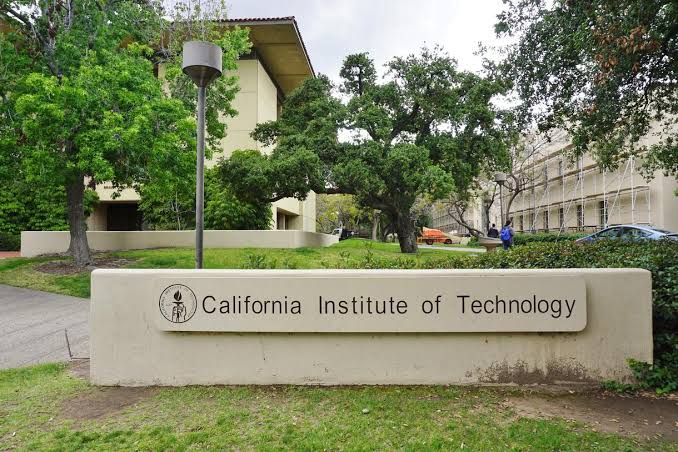
California Institute of Technology, known as Caltech, is one of the most elite science and engineering institutions in the world. Located in Pasadena, California, it is smaller than MIT or Georgia Tech but exceptionally strong in physics, engineering, mathematics, astronomy, chemistry, biology, and space science.
Caltech is best suited for students who want a highly rigorous, research-intensive, science-focused environment. Its small size allows close faculty interaction and early research opportunities.
Academic Strengths
Caltech is strongest in physics, aerospace, mechanical engineering, electrical engineering, chemistry, mathematics, computer science, biology, and planetary science.
Industries Served
Graduates enter research, aerospace, engineering, academia, technology, finance, energy, and scientific innovation.
Notable Features
Caltech manages NASA’s Jet Propulsion Laboratory, giving students and faculty a unique connection to space exploration and planetary science.
Competitive Advantages
Its advantage is scientific intensity and a high research concentration.
Location
Pasadena, California.
Website
caltech.edu
Why It Stands Out
Caltech stands out for students who want one of the most rigorous science and engineering environments in the world.
Georgia Institute of Technology
Overview
Georgia Institute of Technology, commonly called Georgia Tech, is one of America’s leading public technical universities. Located in Atlanta, it is especially strong in engineering, computing, aerospace, industrial engineering, cybersecurity, robotics, business analytics, and applied research.
Georgia Tech is important because it combines elite technical education with public-university scale. It offers strong value for in-state students and strong national recognition for engineering and computing.
Academic Strengths
Georgia Tech is strong in industrial engineering, aerospace engineering, mechanical engineering, computer science, electrical engineering, civil engineering, cybersecurity, and analytics.
Industries Served
Graduates enter technology, consulting, engineering, logistics, aerospace, manufacturing, finance, cybersecurity, and government.
Notable Features
Georgia Tech is consistently listed among leading U.S. engineering schools in national engineering rankings and college guides.
Competitive Advantages
Its advantage is elite technical training at public-university scale with strong employer access in Atlanta and beyond.
Location
Atlanta, Georgia.
Website
gatech.edu
Why It Stands Out
Georgia Tech stands out as one of the best public technical institutes in the United States.
Carnegie Mellon University
Overview
Carnegie Mellon University is one of the top U.S. institutions for computer science, artificial intelligence, robotics, engineering, cybersecurity, human-computer interaction, design, and data science. Located in Pittsburgh, Pennsylvania, CMU has a strong reputation in both technology and interdisciplinary problem-solving.
CMU is especially attractive for students interested in software, AI, machine learning, robotics, computational biology, cybersecurity, and design-driven technology.
Academic Strengths
CMU is strongest in computer science, AI, robotics, cybersecurity, electrical and computer engineering, software engineering, data science, and human-computer interaction.
Industries Served
Graduates enter technology companies, startups, robotics firms, cybersecurity, finance, research labs, consulting, and academia.
Notable Features
CMU is globally respected for computer science and robotics.
Competitive Advantages
Its advantage is depth in computing and applied technology.
Location
Pittsburgh, Pennsylvania.
Website
cmu.edu
Why It Stands Out
Carnegie Mellon stands out for students who want one of the strongest computing and robotics environments in the country.
Rensselaer Polytechnic Institute
Overview
Rensselaer Polytechnic Institute, known as RPI, is one of the oldest technological research universities in the United States. Located in Troy, New York, it has a long history in engineering, architecture, science, computing, business, and applied innovation.
RPI is particularly relevant for students seeking a technical education in a smaller private research university environment. It offers strong programs in engineering, computer science, architecture, and interdisciplinary technology.
Academic Strengths
RPI is strong in engineering, computer science, architecture, data science, materials science, physics, and biotechnology.
Industries Served
Graduates enter engineering, technology, architecture, manufacturing, energy, consulting, research, and entrepreneurship.
Notable Features
RPI’s history as a polytechnic institute gives it a long-standing identity in applied science and engineering education.
Competitive Advantages
Its advantage is deep technical tradition and a strong applied-learning culture.
Location
Troy, New York.
Website
rpi.edu
Why It Stands Out
RPI stands out as one of America’s historic polytechnic institutions with strong engineering and technology roots.
Worcester Polytechnic Institute
Overview
Worcester Polytechnic Institute, known as WPI, is a respected private technical university in Massachusetts. It is known for project-based learning, engineering, computer science, robotics, data science, biotechnology, and applied research.
WPI’s approach is especially appealing to students who want to learn by doing. Its project-based curriculum encourages students to solve real-world problems, often with industry, community, or global partners.
Academic Strengths
WPI is strong in engineering, computer science, robotics, data science, biotechnology, cybersecurity, and interactive media.
Industries Served
Graduates enter engineering, software, biotech, robotics, manufacturing, consulting, cybersecurity, and research.
Notable Features
WPI is known for its project-based education model.
Competitive Advantages
Its advantage is hands-on technical learning with strong undergraduate engagement.
Location
Worcester, Massachusetts.
Website
wpi.edu
Why It Stands Out
WPI stands out for students who want a practical, project-driven technical education.
Stevens Institute of Technology
Overview
Stevens Institute of Technology is a private research university located in Hoboken, New Jersey, directly across from New York City. It is known for engineering, computer science, cybersecurity, financial technology, data science, business, and systems thinking.
Its location is a major advantage. Students have access to New York’s finance, technology, consulting, media, and startup markets while studying in a technical university environment.
Academic Strengths
Stevens is strong in engineering, computer science, cybersecurity, data science, fintech, systems engineering, and business analytics.
Industries Served
Graduates enter finance, technology, cybersecurity, engineering, consulting, analytics, and startups.
Notable Features
Stevens has strong career placement because of its technical focus and proximity to New York City.
Competitive Advantages
Its advantage is technical education connected to one of the world’s largest job markets.
Location
Hoboken, New Jersey.
Website
stevens.edu
Why It Stands Out
Stevens stands out for students who want engineering and technology education with New York-area career access.
Rose-Hulman Institute of Technology
Overview
Rose-Hulman Institute of Technology is a highly respected undergraduate-focused engineering and science college located in Terre Haute, Indiana. Unlike large research universities, Rose-Hulman is known for teaching quality, small classes, faculty access, and undergraduate engineering education.
It is especially attractive for students who want a technical education centered on undergraduate learning rather than graduate research scale.
Academic Strengths
Rose-Hulman is strong in mechanical engineering, electrical engineering, computer engineering, civil engineering, biomedical engineering, computer science, mathematics, and physics.
Industries Served
Graduates enter engineering, software, manufacturing, consulting, biomedical technology, energy, construction, and graduate school.
Notable Features
Rose-Hulman is frequently recognized for undergraduate engineering education.
Competitive Advantages
Its advantage is teaching-focused technical education.
Location
Terre Haute, Indiana.
Website
rose-hulman.edu
Why It Stands Out
Rose-Hulman stands out for students who want small-school undergraduate engineering excellence.
Colorado School of Mines
Overview
Colorado School of Mines is a public research university focused on engineering, applied science, energy, earth resources, mining, materials, environmental engineering, and sustainability. Located in Golden, Colorado, it has a strong reputation in resource-related technical fields.
The school is especially relevant for students interested in energy, mining, petroleum engineering, geology, environmental systems, materials, and infrastructure connected to natural resources.
Academic Strengths
Colorado School of Mines is strong in mining engineering, petroleum engineering, geological engineering, materials science, environmental engineering, mechanical engineering, and energy systems.
Industries Served
Graduates enter energy, mining, environmental consulting, engineering, infrastructure, materials, research, and government.
Notable Features
Its specialized focus gives it a strong identity in earth, energy, and resource-related engineering.
Competitive Advantages
Its advantage is technical specialization in fields tied to natural resources and energy.
Location
Golden, Colorado.
Website
mines.edu
Why It Stands Out
Colorado School of Mines stands out for students interested in energy, earth science, mining, materials, and sustainability engineering.
Illinois Institute of Technology
Overview
Illinois Institute of Technology, known as Illinois Tech, is a private technology-focused university in Chicago. It is known for engineering, architecture, computer science, cybersecurity, law, design, business, and applied research.
Illinois Tech benefits from its urban location and strong ties to industry. Students can connect technical study with internships, design work, professional networks, and Chicago’s business environment.
Academic Strengths
Illinois Tech is strong in engineering, architecture, computer science, cybersecurity, data science, design, business, and law-related technology.
Industries Served
Graduates enter engineering, architecture, software, cybersecurity, consulting, manufacturing, finance, design, and public-sector technology.
Notable Features
Illinois Tech has a strong urban technical education model.
Competitive Advantages
Its advantage is applied technical education in a major city.
Location
Chicago, Illinois.
Website
iit.edu
Why It Stands Out
Illinois Tech stands out for students who want technology, engineering, design, and professional education in Chicago.
Industry Trends Affecting Technical Institutes
Artificial Intelligence and Machine Learning
AI is reshaping technical education. Strong institutes are expanding AI courses, machine learning labs, robotics research, data science programs, and ethics training.
Semiconductor and Advanced Manufacturing Demand
U.S. investment in chips, electronics, robotics, and advanced manufacturing is increasing demand for electrical engineers, materials scientists, mechanical engineers, and manufacturing specialists.
Cybersecurity Growth
Cybersecurity has become a core technical field. Students with skills in secure systems, networks, cryptography, cloud security, and risk analysis are in high demand.
Energy and Climate Technology
Technical institutes are expanding work in clean energy, grid modernization, batteries, nuclear technology, carbon capture, environmental engineering, and climate resilience.
Project-Based Learning
Employers increasingly value graduates who can build, test, communicate, and work in teams. Technical institutes with strong project-based learning have an advantage.
Buyer’s Guide: How to Choose a Technical Institute
Compare Program Strength
Do not choose only by overall ranking. Compare department strength in your specific field, such as mechanical engineering, computer science, robotics, aerospace, cybersecurity, or data science.
Review Career Outcomes
Look at internships, co-ops, employer relationships, career placement, salary outcomes, alumni networks, and graduate school placement.
Evaluate Research Access
Research opportunities matter for students interested in graduate school, labs, patents, startups, or advanced technical work.
Consider Location
Location affects internships and jobs. Boston, Silicon Valley, Atlanta, Pittsburgh, New York, Chicago, and Denver each offer different industry advantages.
Understand Cost and Aid
Technical schools can be expensive, but financial aid, scholarships, co-op income, and public university options can change the real cost.
Look at Learning Style
Some schools are theory-heavy. Others are project-based. Some are large research universities, while others are small undergraduate-focused institutes. Fit matters.
Why Technical Institutes Matter in the United States
Technical institutes matter because they train the talent needed for innovation, infrastructure, national security, manufacturing, energy, health technology, computing, and economic competitiveness.
They also support research, startups, patents, regional development, and industry partnerships. Many major advances in computing, aerospace, energy, robotics, biotechnology, and engineering trace back to technical universities.
Conclusion
The Best Technical Institutes in the United States include MIT, Caltech, Georgia Tech, Carnegie Mellon, Rensselaer Polytechnic Institute, Worcester Polytechnic Institute, Stevens Institute of Technology, Rose-Hulman Institute of Technology, Colorado School of Mines, and Illinois Institute of Technology.
Each serves a different type of student. MIT and Caltech are global research powerhouses. Georgia Tech offers elite public technical education. Carnegie Mellon leads in computing and robotics. RPI, WPI, Stevens, Rose-Hulman, Mines, and Illinois Tech provide strong specialized technical pathways.
The best choice depends on subject, cost, location, research access, career goals, and learning style. Rankings help, but the right technical institute is the one that best prepares a student for the field they want to enter.
Frequently Asked Questions
What are the best technical institutes in the United States?
The best technical institutes in the United States include MIT, Caltech, Georgia Tech, Carnegie Mellon University, Rensselaer Polytechnic Institute, Worcester Polytechnic Institute, Stevens Institute of Technology, Rose-Hulman Institute of Technology, Colorado School of Mines, and Illinois Institute of Technology. Each has different strengths in engineering, computing, applied science, or technology.
What is the best technical institute in the United States?
MIT is widely considered the strongest technical institute in the United States because of its global reputation in engineering, computer science, AI, robotics, mathematics, physics, economics, and entrepreneurship. Forbes ranked MIT No. 1 overall in its 2026 America’s Top Colleges list, and QS ranked MIT No. 1 globally for engineering and technology.
Is Caltech better than MIT?
Caltech and MIT are both world-class, but they have different environments. MIT is larger, broader, and more entrepreneurial. Caltech is smaller, more science-focused, and highly research-intensive. Students interested in deep science and close faculty interaction may prefer Caltech, while students seeking broader engineering, startup, and technology opportunities may prefer MIT.
Is Georgia Tech a technical institute?
Yes. Georgia Tech is one of the leading public technical universities in the United States. It is especially strong in engineering, computer science, industrial engineering, aerospace, cybersecurity, analytics, and applied research. It is a strong option for students seeking elite technical education at public-university scale.
What is the difference between a technical institute and a university?
A technical institute focuses heavily on science, engineering, technology, computing, applied research, and professional technical fields. A university may offer a broader range of subjects, including humanities, social sciences, arts, business, law, medicine, and education. Some technical institutes are also universities, such as MIT, Caltech, Georgia Tech, and Carnegie Mellon.
Which technical institute is best for computer science?
MIT, Carnegie Mellon, Stanford, UC Berkeley, Caltech, Georgia Tech, University of Illinois Urbana-Champaign, University of Washington, Cornell, and Princeton are among the strongest U.S. options for computer science. Among technical institutes specifically, MIT, Carnegie Mellon, Georgia Tech, Caltech, and Stevens are especially relevant.
Which technical institute is best for engineering?
MIT is generally considered the top engineering-focused institution, followed closely by Stanford, UC Berkeley, Georgia Tech, Caltech, Illinois, Michigan, and Carnegie Mellon in many engineering rankings. Among dedicated technical institutes, MIT, Caltech, Georgia Tech, RPI, WPI, Rose-Hulman, and Colorado School of Mines are strong choices.
Are technical institutes harder than regular colleges?
Technical institutes can be academically demanding because they require strong math, science, computing, lab, and problem-solving skills. However, difficulty depends on the program and student fit. Students who enjoy technical subjects may thrive in these environments, while others may prefer broader liberal arts colleges.
Are technical institutes worth it?
Technical institutes can be worth it for students pursuing engineering, computer science, data science, cybersecurity, robotics, aerospace, energy, or applied science. They often offer strong career outcomes, employer recognition, and practical skills. The value depends on cost, financial aid, major, internships, and career goals.
What should I look for when choosing a technical institute?
Look at program strength, accreditation, lab facilities, internships, co-op programs, research access, faculty expertise, career placement, employer partnerships, location, cost, and student support. The best technical institute should match your intended field and learning style.
Do technical institutes offer non-STEM majors?
Yes, many technical institutes offer business, economics, design, humanities, social sciences, policy, communication, or architecture. However, their core identity usually remains science, engineering, computing, and technology.
Which technical institute has the best career outcomes?
MIT, Caltech, Carnegie Mellon, Georgia Tech, Stevens, Rose-Hulman, and Colorado School of Mines are known for strong career outcomes in technical fields. Outcomes vary by major, location, internships, and employer demand.
Are public technical institutes good?
Yes. Georgia Tech and Colorado School of Mines are excellent public technical institutions. Public technical universities can offer strong value, especially for in-state students, while still delivering high-quality engineering and technology education.
What is the future of technical education in the United States?
The future of technical education will be shaped by AI, cybersecurity, clean energy, semiconductors, robotics, biotechnology, advanced manufacturing, data science, and climate resilience. Technical institutes that combine rigorous academics with hands-on experience and industry partnerships will remain highly important.
Read Also: The Best Colleges in the United States