The Best Colleges in the United States represent some of the strongest undergraduate learning environments in the world. They include elite research universities, liberal arts colleges, public flagships, technology institutes, business-focused schools, and institutions known for strong career outcomes. For students and families, choosing the right college is one of the most important education decisions because it affects academic growth, cost, friendships, career networks, internships, graduate school options, and long-term earning potential.
The word “college” in the U.S. is often used broadly. It can refer to a standalone liberal arts college such as Williams or Amherst, an undergraduate division inside a university such as Harvard College, or any four-year institution where students earn bachelor’s degrees. That means the best college for one student may not be the most famous school overall. A future engineer may prefer MIT, Stanford, Caltech, Harvey Mudd, or Georgia Tech. A student who wants small classes and close faculty mentoring may prefer Williams, Amherst, Swarthmore, Pomona, or Bowdoin. A student looking for business and entrepreneurship may compare Babson, Penn, Stanford, or UC Berkeley.
College rankings are helpful, but they should not be treated as absolute truth. Forbes emphasizes academic, career, and financial outcomes. WSJ/College Pulse gives heavy attention to student outcomes and salary impact. Niche includes student reviews and campus-life factors. U.S. News separates national universities from national liberal arts colleges. Because each ranking uses a different method, this guide focuses on overall quality, undergraduate experience, career value, academic strength, reputation, and student fit.
This article profiles the Best Colleges in the United States, explains how to compare them, and helps students understand what makes each institution stand out.
Industry Overview: Colleges in the United States
The U.S. college system is one of the largest and most diverse in the world. It includes private universities, public universities, liberal arts colleges, women’s colleges, military academies, religious colleges, technical institutes, business-focused colleges, community colleges, and online institutions.
The strongest colleges share several qualities. They offer rigorous academics, strong faculty, good advising, active student communities, research or experiential learning opportunities, career support, alumni networks, financial aid, and strong graduation outcomes. However, the best fit depends on the student’s goals.
Liberal arts colleges often focus on undergraduate teaching, small classes, writing, discussion, close faculty relationships, and broad intellectual development. Research universities offer more majors, graduate schools, labs, large alumni networks, and wider professional opportunities. Public universities can offer excellent value, especially for in-state students. Specialized colleges may be best for engineering, business, arts, music, or military leadership.
The market is also changing. Families are paying closer attention to return on investment, student debt, employability, mental health support, AI readiness, internships, and real-world skills. Colleges that combine strong academics with career preparation are becoming more attractive.
Ranking Methodology
This directory considers academic reputation, undergraduate teaching, student outcomes, career value, selectivity, financial aid, alumni strength, campus experience, program depth, and national recognition.
The list does not follow one ranking exactly. Instead, it combines insights from major rankings and practical student-focused factors. Some schools rank highly because of research power. Others stand out because of small-class undergraduate teaching, affordability, entrepreneurial outcomes, or strong career placement.
Best Colleges in the United States
Massachusetts Institute of Technology
Overview
Massachusetts Institute of Technology, known as MIT, is one of the strongest colleges in the United States for science, engineering, computer science, economics, mathematics, artificial intelligence, robotics, and entrepreneurship. Located in Cambridge, Massachusetts, MIT gives undergraduates access to world-class laboratories, research centers, startups, faculty, and technology networks.
MIT is academically intense, but it is also deeply practical. Students are encouraged to build, test, experiment, and solve real problems. That makes MIT especially strong for students who want a hands-on technical education.
Academic Strengths
MIT is strongest in engineering, computer science, AI, robotics, economics, physics, mathematics, entrepreneurship, and technology management.
Student Experience
The campus culture is collaborative, demanding, creative, and problem-solving focused. Students often work on research, startups, design competitions, and technical projects.
Career Outcomes
MIT graduates are highly sought after in technology, engineering, finance, consulting, research, startups, aerospace, and academia.
Location
Cambridge, Massachusetts.
Website
mit.edu
Why It Stands Out
MIT stands out because it offers one of the most powerful undergraduate technology and science ecosystems in the world.
Stanford University
Overview
Stanford University is one of the most influential colleges in the United States, especially for technology, entrepreneurship, engineering, computer science, business, design, medicine, and social sciences. Located in California’s Silicon Valley region, Stanford gives students unusual access to startups, venture capital, research labs, and global technology companies.
Stanford combines academic excellence with entrepreneurial energy. Students interested in building companies, working in tech, studying AI, or exploring interdisciplinary innovation often find Stanford especially attractive.
Academic Strengths
Stanford is strong in computer science, engineering, business, economics, biology, design, public policy, sustainability, and medicine-related fields.
Student Experience
The campus offers a balance of academic intensity, innovation culture, athletics, sunshine, and broad extracurricular opportunities.
Career Outcomes
Graduates often enter technology, startups, venture capital, consulting, finance, medicine, law, research, and public service.
Location
Stanford, California.
Website
stanford.edu
Why It Stands Out
Stanford stands out because it combines elite academics with unmatched proximity to Silicon Valley.
Princeton University
Overview
Princeton University is one of the best colleges in the United States for undergraduate education. Located in Princeton, New Jersey, it combines Ivy League prestige with a strong focus on teaching, writing, research, and close faculty-student interaction.
Princeton is known for its senior thesis, generous financial aid, residential college system, and rigorous academic culture. It is especially attractive to students who want a traditional elite undergraduate experience with deep academic support.
Academic Strengths
Princeton is strong in public policy, economics, mathematics, physics, engineering, history, politics, philosophy, computer science, and the humanities.
Student Experience
The undergraduate experience is residential, academically serious, and community-oriented.
Career Outcomes
Graduates enter finance, consulting, public service, academia, technology, law, research, and nonprofit leadership.
Location
Princeton, New Jersey.
Website
princeton.edu
Why It Stands Out
Princeton stands out for undergraduate teaching quality, academic rigor, and strong financial aid.
Yale University
Overview
Yale University is one of America’s most respected colleges for liberal arts education, humanities, law, politics, arts, social sciences, global affairs, and leadership development. Located in New Haven, Connecticut, Yale offers a rich residential college system and a strong tradition of interdisciplinary learning.
Yale is especially strong for students interested in writing, public service, law, arts, policy, history, literature, and broad intellectual exploration.
Academic Strengths
Yale is strong in political science, history, literature, economics, law-related fields, global affairs, music, drama, psychology, and biomedical sciences.
Student Experience
Yale’s residential college system creates smaller communities inside a major university environment.
Career Outcomes
Graduates enter law, government, media, arts, finance, consulting, academia, medicine, and nonprofit leadership.
Location
New Haven, Connecticut.
Website
yale.edu
Why It Stands Out
Yale stands out for liberal arts depth, leadership culture, and strong arts and humanities programs.
Harvard College
Overview
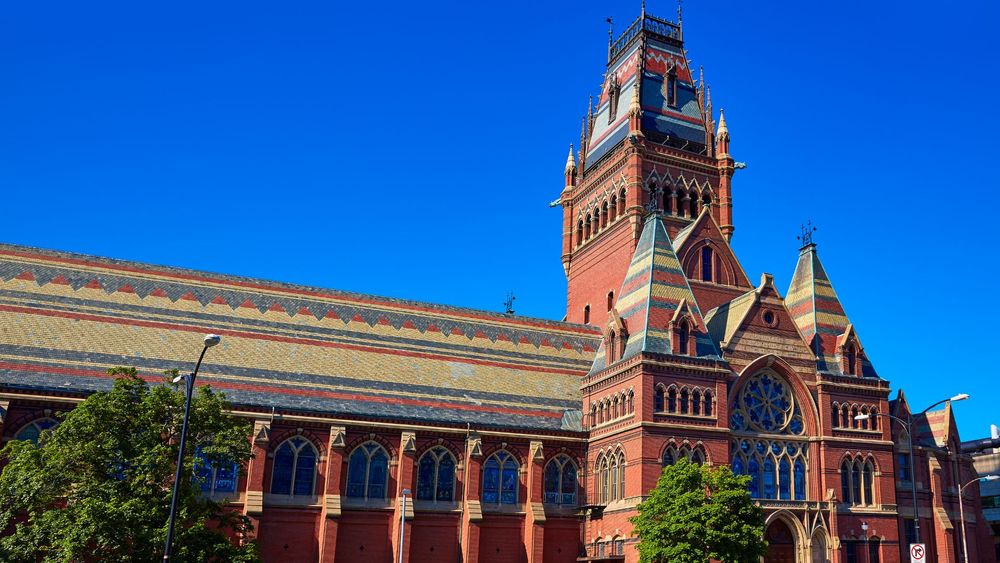
Harvard College is the undergraduate division of Harvard University and one of the most prestigious colleges in the world. Located in Cambridge, Massachusetts, it offers unmatched name recognition, academic breadth, research access, professional-school connections, and alumni influence.
Harvard is strong across nearly every academic field. Its advantage is not only prestige but also breadth. Students can study government, economics, biology, computer science, literature, history, psychology, engineering, public health, statistics, and many other fields while accessing one of the world’s strongest university ecosystems.
Academic Strengths
Harvard is strong in economics, government, biology, history, literature, computer science, public policy, psychology, social sciences, and pre-professional pathways.
Student Experience
The undergraduate experience includes residential houses, broad course choice, research access, and many student organizations.
Career Outcomes
Graduates enter leadership roles in finance, consulting, law, medicine, technology, media, government, academia, and entrepreneurship.
Location
Cambridge, Massachusetts.
Website
college.harvard.edu
Why It Stands Out
Harvard College stands out for global reputation, academic breadth, and powerful alumni networks.
Williams College
Overview
Williams College is widely regarded as one of the best liberal arts colleges in the United States. Located in Williamstown, Massachusetts, Williams is known for small classes, close faculty mentoring, academic rigor, strong financial aid, and a deeply residential undergraduate experience.
Williams is especially attractive to students who want high-level academics without the scale of a large research university. Its tutorial-style teaching and close student-faculty relationships make it one of the strongest undergraduate teaching environments in the country.
Academic Strengths
Williams is strong in economics, mathematics, political science, art history, English, history, biology, psychology, and the liberal arts.
Student Experience
Students benefit from small classes, mountain-town surroundings, strong athletics, arts culture, and close community life.
Career Outcomes
Graduates enter finance, consulting, education, law, medicine, public service, research, arts, and graduate school.
Location
Williamstown, Massachusetts.
Website
williams.edu
Why It Stands Out
Williams stands out because it offers elite undergraduate teaching in a small liberal arts environment.
Amherst College
Overview
Amherst College is one of the top liberal arts colleges in the United States. Located in Amherst, Massachusetts, it is known for academic flexibility, open curriculum, small classes, strong financial aid, and rigorous undergraduate teaching.
Amherst is part of the Five College Consortium, giving students access to courses and resources at nearby institutions. This creates a small-college experience with broader academic options.
Academic Strengths
Amherst is strong in economics, political science, English, history, mathematics, biology, psychology, and interdisciplinary studies.
Student Experience
The open curriculum gives students unusual freedom to design their academic path.
Career Outcomes
Graduates enter law, medicine, finance, consulting, education, public service, research, and graduate programs.
Location
Amherst, Massachusetts.
Website
amherst.edu
Why It Stands Out
Amherst stands out for academic freedom, strong teaching, and elite liberal arts quality.
Swarthmore College
Overview
Swarthmore College is a top liberal arts college located near Philadelphia. It is known for academic intensity, social responsibility, honors education, engineering within a liberal arts setting, and strong undergraduate research.
Swarthmore is best for students who want a rigorous intellectual environment with small classes and a strong sense of purpose. Its proximity to Philadelphia also gives students access to internships, culture, and research opportunities.
Academic Strengths
Swarthmore is strong in engineering, political science, economics, biology, mathematics, philosophy, history, English, and social sciences.
Student Experience
The campus culture is academically serious, discussion-based, and community-oriented.
Career Outcomes
Graduates enter graduate school, research, public service, technology, engineering, law, medicine, finance, and nonprofits.
Location
Swarthmore, Pennsylvania.
Website
swarthmore.edu
Why It Stands Out
Swarthmore stands out for combining liberal arts depth with engineering and a strong intellectual culture.
Bowdoin College
Overview
Bowdoin College is a leading liberal arts college located in Brunswick, Maine. It is known for strong teaching, civic values, environmental studies, government, economics, writing, and student life.
Bowdoin offers a close undergraduate community with strong academics and a strong sense of public purpose. It is especially attractive to students who want a small college with intellectual seriousness, coastal New England surroundings, and a balanced campus culture.
Academic Strengths
Bowdoin is strong in government, economics, environmental studies, biology, English, history, neuroscience, and the humanities.
Student Experience
Students benefit from small classes, strong advising, outdoor opportunities, and a highly residential environment.
Career Outcomes
Graduates enter law, education, finance, consulting, public service, medicine, research, and nonprofit leadership.
Location
Brunswick, Maine.
Website
bowdoin.edu
Why It Stands Out
Bowdoin stands out for undergraduate teaching, civic culture, and a strong liberal arts experience.
Pomona College
Overview
Pomona College is one of the strongest liberal arts colleges in the United States and part of the Claremont Colleges consortium in Southern California. It offers small classes, strong faculty access, and broad academic resources through shared consortium opportunities.
Pomona is especially attractive because it gives students the feel of a small liberal arts college while providing access to the wider Claremont academic network.
Academic Strengths
Pomona is strong in economics, mathematics, biology, politics, psychology, computer science, environmental analysis, and the humanities.
Student Experience
Students benefit from a small campus, Southern California location, cross-registration at nearby colleges, and close faculty relationships.
Career Outcomes
Graduates enter technology, finance, consulting, law, medicine, academia, public service, and graduate school.
Location
Claremont, California.
Website
pomona.edu
Why It Stands Out
Pomona stands out because it combines elite liberal arts teaching with consortium resources and a strong California location.
Industry Trends Affecting U.S. Colleges
Return on Investment
Families increasingly compare colleges based on graduate earnings, debt, job placement, internships, and financial aid. Prestige still matters, but value is becoming more important.
Artificial Intelligence
AI is changing how students study, write, code, research, and prepare for careers. Strong colleges are adapting through AI literacy, academic integrity policies, and new courses.
Test-Optional Admissions
Many colleges have changed testing policies, though some selective institutions have brought testing back. Applicants must check each college’s current rules before applying.
Mental Health and Student Support
Students and parents are paying more attention to counseling, advising, belonging, campus safety, disability support, and academic coaching.
Career-Connected Liberal Arts
Liberal arts colleges are strengthening internships, alumni mentoring, entrepreneurship, data skills, and career preparation while keeping broad academic learning.
Buyer’s Guide: How to Choose the Best College
Start With Fit, Not Fame
The most famous college is not always the best choice. Students should compare academic programs, cost, location, class size, campus culture, support services, and career outcomes.
Compare Net Price
Sticker price can be misleading. Some expensive private colleges offer generous financial aid. Always compare net price after scholarships and grants.
Check Program Strength
A college may be excellent overall but weaker in your intended major. Look at department quality, faculty, research opportunities, internships, and graduate outcomes.
Visit or Research Campus Culture
Campus environment matters. Some students thrive in large universities, while others prefer small colleges. Some want urban campuses; others want rural or residential communities.
Review Career Services
Strong career advising, alumni networks, internships, employer relationships, and graduate-school support can make a major difference.
Why Colleges Matter in the United States
Colleges shape opportunity, careers, leadership, innovation, civic life, and personal growth. They help students develop knowledge, communication skills, analytical thinking, professional networks, and confidence.
They also support local economies through employment, research, student spending, cultural institutions, startups, hospitals, and community partnerships.
Conclusion
The Best Colleges in the United States include MIT, Stanford, Princeton, Yale, Harvard College, Williams, Amherst, Swarthmore, Bowdoin, and Pomona. Each stands out for different reasons. MIT and Stanford lead in technology and innovation. Princeton, Yale, and Harvard offer elite undergraduate experiences inside major universities. Williams, Amherst, Swarthmore, Bowdoin, and Pomona represent the strength of the liberal arts college model.
The best choice depends on the student. Rankings can guide research, but fit, affordability, academic goals, support, and career outcomes should drive the final decision.
Frequently Asked Questions
What are the best colleges in the United States?
The best colleges in the United States commonly include MIT, Stanford, Princeton, Yale, Harvard College, Williams College, Amherst College, Swarthmore College, Bowdoin College, and Pomona College. The best choice depends on a student’s goals, budget, academic interests, and preferred campus environment.
What is the difference between a college and a university?
In the United States, a college often focuses on undergraduate education, while a university usually includes undergraduate, graduate, and professional schools. However, Americans often use “college” broadly to mean any institution where students earn a bachelor’s degree.
What is the best liberal arts college in the United States?
Williams College, Amherst College, Swarthmore College, Bowdoin College, and Pomona College are often ranked among the best liberal arts colleges in the United States. Williams and Amherst are especially consistent leaders in liberal arts rankings.
Is MIT a college or a university?
MIT is a university-level institution, but it is often included in “best colleges” rankings because the word college is commonly used in the United States to refer to undergraduate higher education.
Are Ivy League colleges always the best?
No. Ivy League schools are prestigious, but they are not automatically the best for every student. MIT, Stanford, Caltech, Williams, Amherst, Pomona, Duke, Northwestern, Rice, and many public universities are not Ivy League but are excellent.
What should I consider before choosing a college?
Consider academic fit, cost, financial aid, location, campus culture, class size, support services, safety, internships, alumni network, career outcomes, and graduation rates. The best college should match the student’s goals and personality.
Which colleges are best for engineering?
MIT, Stanford, Caltech, Georgia Tech, UC Berkeley, Carnegie Mellon, Harvey Mudd, University of Illinois Urbana-Champaign, Purdue, and Michigan are strong engineering options.
Which colleges are best for business?
The University of Pennsylvania, Babson College, Stanford, MIT, UC Berkeley, Michigan, NYU, and Notre Dame are strong choices for business-related pathways. Babson is especially known for entrepreneurship.
Are liberal arts colleges worth it?
Yes, liberal arts colleges can be worth it for students who value small classes, close faculty relationships, writing, discussion, broad learning, and strong graduate-school preparation. They can also lead to excellent careers when paired with internships and alumni networks.
Do college rankings matter?
Rankings matter as a research tool, but they should not control the decision. Different rankings measure different things. A college ranked lower overall may be stronger in a specific major or better for a student’s needs.
What is the most affordable top college?
Affordability depends on financial aid, state residency, scholarships, and family income. Some elite private colleges offer generous aid, while public universities may be cheaper for in-state students. Always compare net price, not sticker price.
What is the hardest college to get into?
Stanford, Harvard, MIT, Princeton, Yale, Caltech, Columbia, and several other elite colleges have very low acceptance rates. Selectivity changes each year, so applicants should check current admissions data directly.
What is the best college for computer science?
MIT, Stanford, Carnegie Mellon, UC Berkeley, Caltech, Harvard, Princeton, Cornell, Georgia Tech, and University of Washington are among the strongest for computer science.
How many colleges should a student apply to?
Many students apply to a balanced list of safety, match, and reach schools. The exact number depends on goals, budget, application fees, deadlines, and selectivity. Quality of fit matters more than applying everywhere.
Read Also: Best Universities in the United States