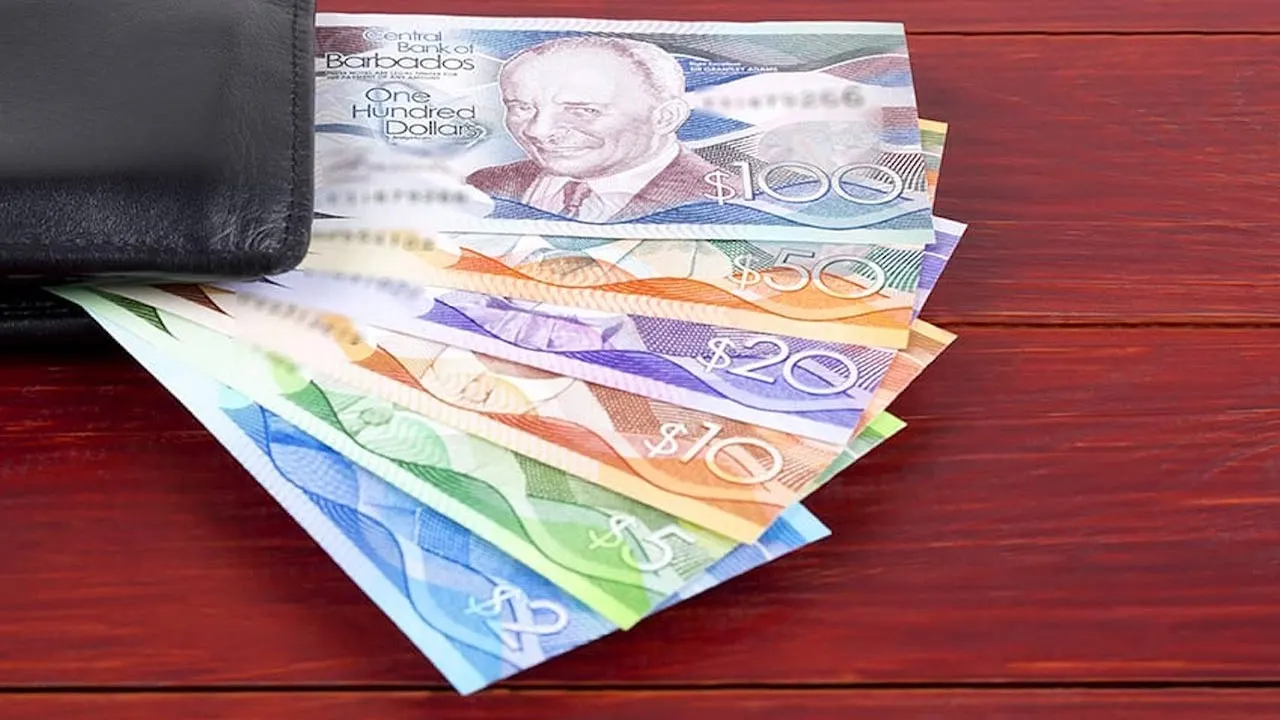
The Barbadian Dollar BBD is the official currency of Barbados, used for all domestic transactions and financial operations. Issued and regulated by the Central Bank of Barbados, the Barbadian Dollar BBD is represented by the symbol $ and operates under a fixed exchange rate system with the United States Dollar. The BBD to USD exchange rate is set at approximately 2 BBD to 1 USD, providing stability in both domestic and international transactions.
The Barbadian Dollar BBD plays a central role in an economy heavily reliant on tourism, financial services, and international trade. Its fixed exchange rate has been a cornerstone of economic policy, helping maintain price stability and investor confidence.
Barbadian Dollar BBD Structure and Denominations
The Barbadian Dollar BBD is subdivided into 100 cents, which are used for smaller transactions. Coins in circulation include denominations of 1, 5, 10, and 25 cents, as well as the 1-dollar coin. These coins are commonly used in retail and public services.
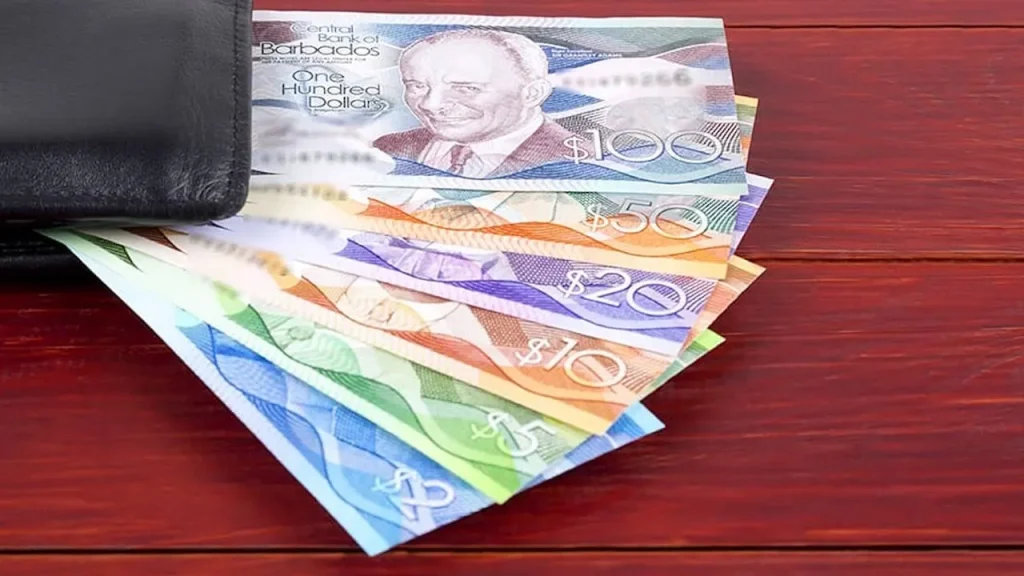
Banknotes form the primary medium of exchange for larger transactions and are issued in denominations of $2, $5, $10, $20, $50, and $100. These notes are widely used across the economy, supporting both everyday spending and commercial activities.
The design of Barbadian currency reflects national identity, featuring prominent figures, cultural elements, and symbols of the island’s heritage.
Barbadian Dollar BBD in Daily Transactions
The Barbadian Dollar BBD is the primary medium of exchange across all sectors of the economy, including retail, hospitality, and government services. Prices for goods and services are typically quoted in BBD.
However, the US dollar is widely accepted alongside the local currency, particularly in the tourism sector. Visitors often pay in US dollars, while businesses provide change in Barbadian dollars. This dual usage reflects Barbados’ strong economic ties to the United States and its role as a major tourist destination.
Despite this, the Barbadian Dollar BBD remains dominant in domestic transactions, especially for wages, taxes, and local commerce.
Read Also: Afghan Afghani AFN: Currency Profile and Use
Fixed Exchange Rate and Monetary Stability
The Barbadian Dollar BBD operates under a fixed exchange rate system, pegged to the US dollar at approximately 2:1. This peg has been maintained for decades and is a key factor in the currency’s stability.
A fixed exchange rate reduces currency risk and supports international trade and investment. It also simplifies financial planning for businesses and individuals.
However, maintaining the peg requires sufficient foreign exchange reserves and disciplined fiscal policy. The Central Bank of Barbados plays a crucial role in managing these factors.
Monetary Authority and Policy Framework
The Central Bank of Barbados is responsible for issuing and managing the Barbadian Dollar BBD. Its mandate includes maintaining exchange rate stability, controlling inflation, and supporting economic growth.
Monetary policy in Barbados is closely tied to the fixed exchange rate system. As a result, the central bank focuses on maintaining reserves and ensuring confidence in the currency.
External factors, particularly economic conditions in the United States, can influence policy decisions. Changes in US interest rates may affect capital flows and economic conditions in Barbados.
Barbadian Dollar BBD in the Tourism Economy
Tourism is a major driver of Barbados’ economy, and the Barbadian Dollar BBD plays a critical role in facilitating transactions in this sector. Hotels, restaurants, and service providers rely on the currency for pricing and payments.
The stability of the Barbadian Dollar BBD supports the island’s reputation as a reliable destination for international visitors. It also helps businesses manage costs and revenues in a predictable environment.
In addition, the currency supports trade and imports, which are essential for meeting domestic demand in a small island economy.
Regional and Global Perspective
Within the Caribbean, the Barbadian Dollar BBD operates alongside a range of currency systems. Some neighboring countries use floating exchange rates, while others maintain fixed pegs or use foreign currencies.
The stability of the Barbadian Dollar BBD distinguishes it within the region. Its long-standing peg to the US dollar provides a level of predictability that supports economic activity.
Globally, the Barbadian Dollar BBD is considered a minor currency. It is not widely used outside Barbados but remains important for understanding the island’s economic dynamics.
Outlook for Barbadian Dollar BBD
The future of the Barbadian Dollar BBD will depend on the continued strength of the tourism sector and the ability to maintain the currency peg. External economic conditions, particularly in the United States, will remain a key influence.
Efforts to diversify the economy and strengthen financial resilience may also shape the currency’s trajectory. Policymakers are likely to focus on maintaining stability while adapting to global economic changes.
In conclusion, the Barbadian Dollar BBD is a stable and widely used currency that underpins Barbados’ economy. Its fixed exchange rate and strong institutional support have helped maintain confidence over time. As the country navigates evolving economic conditions, the Barbadian Dollar BBD will remain central to its financial system.