The Afghan Afghani AFN is the official currency of Afghanistan, used for everyday transactions and financial operations across the country. Issued and regulated by Da Afghanistan Bank, the Afghan Afghani AFN serves as the primary medium of exchange in both urban and rural economies. The currency is represented by the symbol ؋ and is widely traded against major currencies, with the AFN to USD rate among the most closely monitored exchange benchmarks.
The Afghan Afghani AFN operates within a complex economic environment shaped by political developments, limited financial infrastructure, and external economic pressures. Despite these challenges, it remains central to domestic trade, public finance, and monetary policy in Afghanistan.
Afghan Afghani AFN Structure and Denominations
The Afghan Afghani AFN is subdivided into smaller units known as Pul, with one afghani equal to 100 Pul. However, Pul units are rarely used in daily transactions due to inflation and practical considerations. Instead, the economy primarily relies on whole currency denominations.
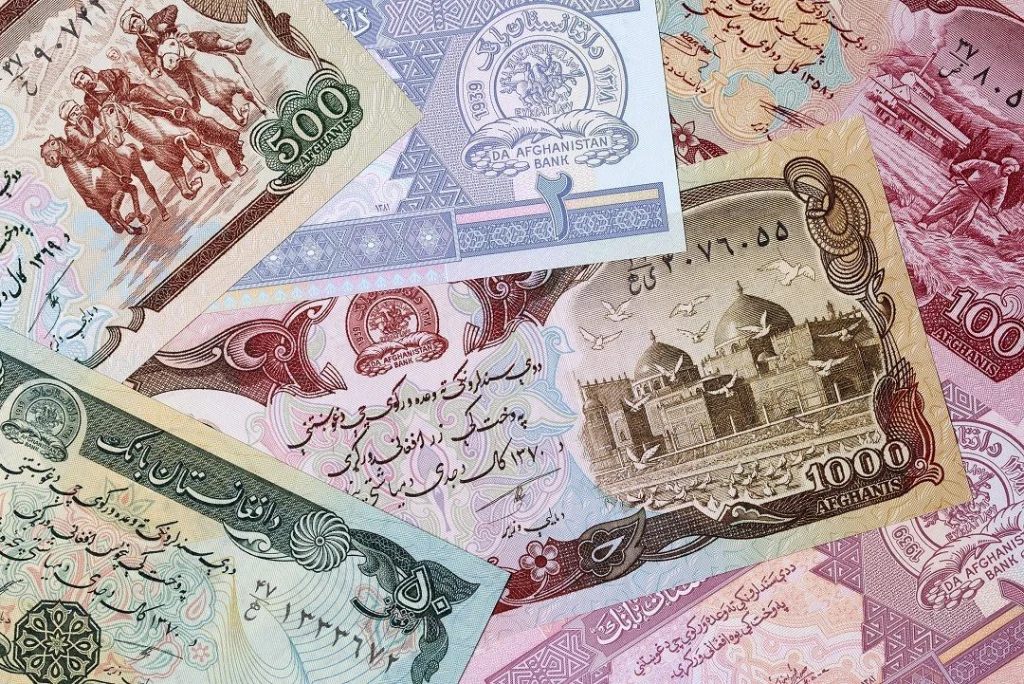
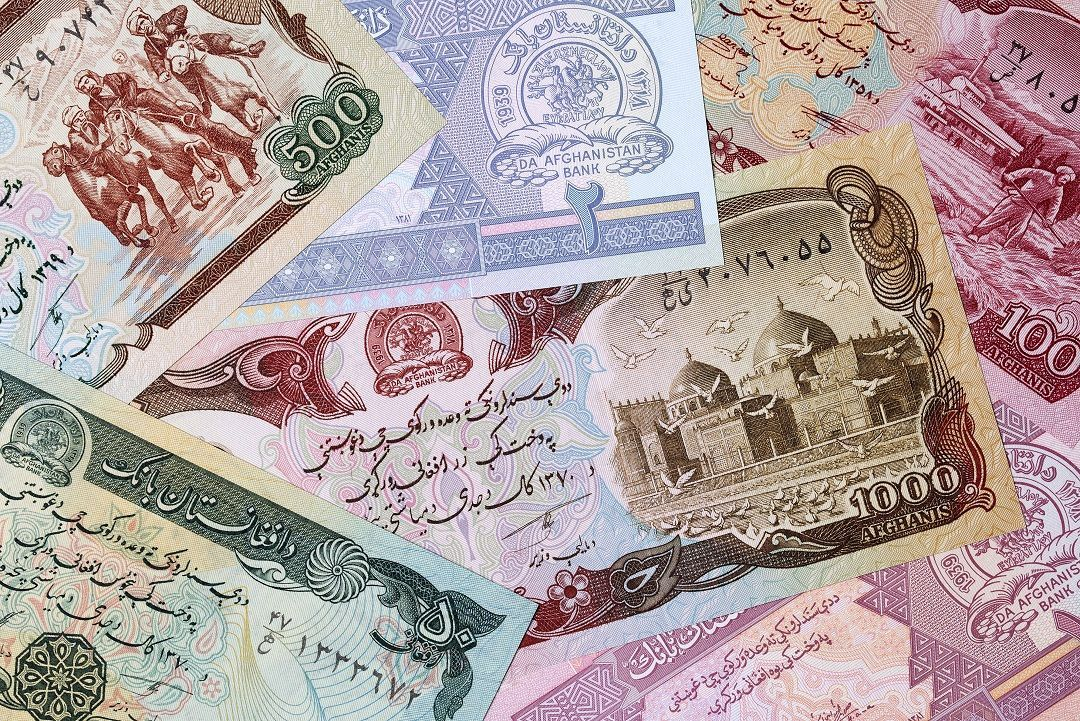
Coins in circulation typically include 1, 2, and 5 afghanis. These are used for small transactions, although their use has declined in favor of banknotes. Banknotes form the backbone of the Afghan Afghani AFN system and are issued in denominations of 1, 2, 5, 10, 20, 50, 100, 500, and 1,000 afghanis.
The widespread use of cash reflects the limited reach of digital banking services. As a result, physical currency remains essential for commerce across much of the country.
Afghan Afghani AFN in Daily Use
The Afghan Afghani AFN is used across all sectors of the Afghan economy, including retail trade, agriculture, and government transactions. It is accepted nationwide and serves as the standard unit for pricing goods and services.
However, foreign currencies, particularly the United States Dollar, are also used in certain sectors. In cross-border trade and large transactions, the US dollar is often preferred due to its relative stability. This dual usage reflects broader economic realities and the influence of international markets.
Nevertheless, the Afghan Afghani AFN remains the dominant currency for everyday use, particularly in local markets and public sector payments.
Monetary Authority and Policy
Da Afghanistan Bank is responsible for issuing and managing the Afghan Afghani AFN. The central bank oversees monetary policy, regulates financial institutions, and works to maintain price stability.
In practice, managing the Afghan Afghani AFN presents challenges. Limited foreign reserves, fluctuating economic conditions, and external dependencies can affect exchange rates and inflation levels. Therefore, the central bank often relies on foreign exchange interventions to stabilize the currency.
Additionally, the effectiveness of monetary policy is influenced by the broader economic and political environment. Stability in governance and financial systems plays a key role in maintaining confidence in the currency.
Afghan Afghani AFN Exchange Rates and Market Dynamics
The Afghan Afghani AFN is traded in foreign exchange markets, although liquidity is lower compared to major global currencies. The AFN to USD exchange rate is widely used as a benchmark for evaluating the currency’s performance.
Exchange rate movements are influenced by several factors. These include trade balances, foreign aid inflows, and geopolitical developments. Changes in any of these areas can lead to fluctuations in the value of the Afghan Afghani AFN.
Moreover, informal currency markets play a significant role in Afghanistan. In many cases, exchange rates are determined by local supply and demand rather than formal financial institutions.
Economic Context and Challenges
The Afghan Afghani AFN operates in an economy that faces structural challenges. These include limited industrial capacity, reliance on imports, and restricted access to global financial systems. As a result, currency stability can be difficult to maintain over extended periods.
Cash-based transactions dominate the economy, which limits transparency and financial inclusion. However, efforts to expand banking services and digital payments have been introduced, although progress remains gradual.
Furthermore, external funding and humanitarian aid have historically supported economic activity. Any shifts in these flows can directly affect liquidity and the value of the Afghan Afghani AFN.
Regional and Global Perspective
Within the region, the Afghan Afghani AFN interacts with currencies from neighboring countries, including Pakistan and Iran. Cross-border trade often involves currency exchange, which can influence local markets.
Globally, the Afghan Afghani AFN is considered a frontier currency. It is not widely held as a reserve currency, nor is it heavily traded in international markets. However, it remains essential for understanding Afghanistan’s domestic economy and financial system.
Outlook for Afghan Afghani AFN
The future of the Afghan Afghani AFN will depend on economic stability, institutional development, and international engagement. Strengthening financial infrastructure and improving access to banking services could enhance the currency’s role.
At the same time, external factors such as trade relations and geopolitical developments will continue to influence currency performance. Monitoring exchange rates and inflation will remain critical for policymakers.
In conclusion, the Afghan Afghani AFN is a key component of Afghanistan’s economic framework. While it faces structural challenges, it continues to function as the primary medium of exchange for millions of people. Its trajectory will be shaped by both domestic reforms and external conditions in the years ahead.