


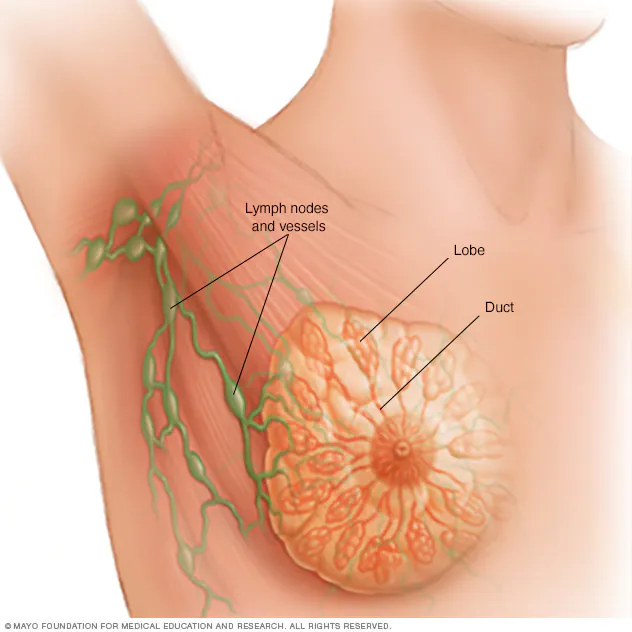
Atypical hyperplasia of the breast is a condition characterized by the growth of abnormal, precancerous cells in breast tissue. Although it is not breast cancer, it significantly increases the risk of developing breast cancer in the future. Early detection and proactive management are crucial for reducing risks.
Key Features
- Nature: Atypical hyperplasia is a non-cancerous condition but serves as an early marker for potential breast cancer.
- Cell Appearance: When examined under a microscope, the cells appear abnormal compared to typical breast cells.
- Location:
- Atypical Ductal Hyperplasia (ADH): Abnormal cells grow within the milk ducts.
- Atypical Lobular Hyperplasia (ALH): Abnormal cells develop in the milk-producing lobules.
Symptoms
Atypical hyperplasia typically does not cause noticeable symptoms and is often found during diagnostic procedures such as a breast biopsy. A biopsy might be recommended due to:
- Concerning findings on a mammogram or ultrasound.
- The presence of a breast lump or other abnormality.
When to See a Doctor
- If you notice a new lump, skin changes, or other concerning symptoms in your breasts.
- For regular breast health checkups or screenings as recommended by your healthcare provider.
Causes
The exact cause of atypical hyperplasia is unknown. However:
- It involves DNA changes in breast cells, leading to excessive growth and abnormal appearance.
- It is considered an early step in the progression from normal cells to cancer cells.
Risk Factors
While there are no direct causes, several factors increase the risk of atypical hyperplasia:
- Family History:
- Close relatives with breast cancer.
- Hormone Therapy:
- Use of menopausal hormone therapy for symptom management may increase risk.
Complications
The most significant complication of atypical hyperplasia is the increased risk of breast cancer:
- Risk Magnitude:
- Women with atypical hyperplasia are about four times more likely to develop breast cancer.
- Over 25 years, approximately 30% of women diagnosed with atypical hyperplasia develop breast cancer.
- Both ADH and ALH carry similar risks.
Management and Prevention
Monitoring and Screening:
- Regular Screenings: Enhanced screening schedules, including mammograms and possibly MRIs, may be recommended.
- Self-Exams: Regularly inspect your breasts for lumps, changes, or abnormalities.
- Risk-Reduction Counseling: Discuss personalized risk-reduction strategies with your healthcare provider.
Lifestyle Modifications:
- Exercise:
- Aim for at least 30 minutes of moderate physical activity most days.
- Alcohol Intake:
- Limit or avoid alcohol consumption, as it is a known risk factor for breast cancer.
- Weight Management:
- Maintain a healthy weight to reduce overall cancer risk.
- Hormone Therapy:
- Limit the use of hormone therapy for menopausal symptoms. If necessary, use the lowest effective dose for the shortest period.
Medications:
- Preventive Therapy:
- Medicines such as tamoxifen or raloxifene may be recommended for those at high risk of breast cancer.
Conclusion
Atypical hyperplasia of the breast highlights the importance of vigilance in breast health. While it is not cancer, it serves as a warning sign, allowing for early intervention and preventive measures. Regular screenings, lifestyle adjustments, and proactive risk management can significantly reduce the likelihood of progression to breast cancer.


