


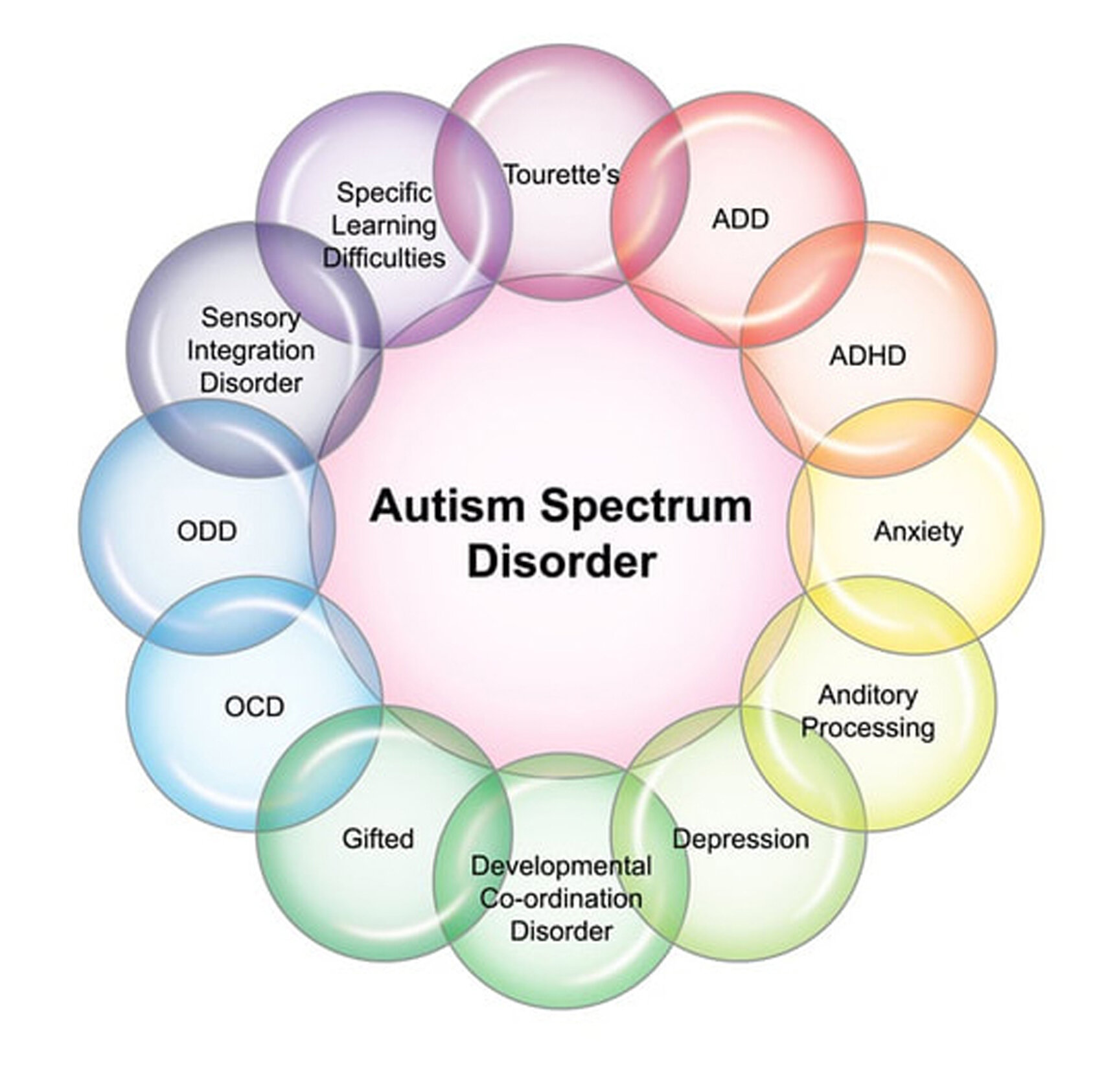
Autism spectrum disorder (ASD) is a neurodevelopmental condition that affects how individuals perceive and interact with the world. It encompasses a range of challenges related to social interaction, communication, and repetitive behaviors. The term “spectrum” reflects the wide variation in symptoms and severity, ranging from mild to profound. ASD often manifests in early childhood and continues throughout life, impacting various aspects of functioning.
While ASD has no cure, early and tailored interventions can greatly enhance the quality of life for those affected.
Key Symptoms of ASD
Symptoms of ASD vary widely among individuals, but common signs fall into two main categories:
1. Social Communication and Interaction
- Lack of response to name or appearing not to hear at times.
- Reduced eye contact and limited facial expressions.
- Difficulty understanding or using gestures, such as pointing or waving.
- Delayed or absent speech development.
- Repetition of words or phrases (echolalia) without understanding context.
- Difficulty starting or maintaining conversations.
- Trouble recognizing emotions or understanding social cues like tone of voice or facial expressions.
- Preference for solitary play and resistance to cuddling or close physical contact.
- Inappropriate social approaches, such as being overly passive, aggressive, or disruptive.
2. Patterns of Behavior
- Repetitive movements, such as hand flapping or spinning.
- Fixation on routines and distress at changes in routine.
- Intense interest in specific topics or objects, often to the exclusion of others.
- Sensory sensitivities, such as aversion to loud sounds, bright lights, or certain textures.
- Odd movement patterns, including toe-walking or exaggerated gestures.
- Restricted eating habits, such as strong preferences for specific foods or textures.
When to See a Doctor
Early signs of ASD typically emerge before the age of 2. Consult a doctor if a child:
- Does not respond to their name by 12 months.
- Does not use gestures like pointing by 14 months.
- Experiences a loss of previously acquired skills, such as speech or social engagement.
- Shows delays in language, cognitive, or social development.
Developmental screenings and evaluations can help diagnose ASD and guide appropriate interventions.
Causes of ASD
The exact cause of ASD is unknown, but research suggests a combination of genetic and environmental factors:
- Genetic factors:
- Mutations in specific genes may contribute to ASD.
- Genetic syndromes like Rett syndrome or fragile X syndrome may increase risk.
- Environmental influences:
- Factors such as advanced parental age, complications during pregnancy, and exposure to certain toxins are being studied.
- No evidence of vaccine link:
- Extensive research has found no connection between childhood vaccines and ASD.
Risk Factors
Certain factors may increase the likelihood of ASD:
- Gender: Boys are four times more likely to be diagnosed than girls.
- Family history: Families with one child with ASD may have a higher likelihood of having another.
- Medical conditions: Conditions like fragile X syndrome, tuberous sclerosis, or Rett syndrome may increase risk.
- Premature birth: Babies born before 26 weeks gestation may have an elevated risk.
- Parental age: Older parental age at conception has been linked to a higher risk.
Complications of ASD
Without support, individuals with ASD may face challenges such as:
- Academic difficulties and learning challenges.
- Social isolation and difficulty forming relationships.
- Problems maintaining employment or living independently.
- Increased risk of bullying or victimization.
- Emotional strain on families due to caregiving demands.
Management and Treatment
Though ASD cannot be cured, interventions can help improve skills and reduce symptoms:
1. Behavioral and Educational Therapy
- Applied Behavior Analysis (ABA): Reinforces positive behaviors and reduces unwanted ones.
- Social skills training: Helps individuals improve interactions and relationships.
- Speech therapy: Enhances communication skills, including language and nonverbal cues.
- Occupational therapy: Focuses on daily living skills and sensory integration.
2. Medications
- While no medication treats ASD directly, certain symptoms like anxiety, hyperactivity, or aggression may be managed with medications.
3. Supportive Tools
- Assistive communication devices, like speech-generating apps.
- Sensory integration tools to address sensory sensitivities.
Prevention and Early Intervention
ASD cannot be prevented, but early intervention can significantly improve outcomes. Key steps include:
- Monitoring developmental milestones: Regular check-ups to track growth and development.
- Early therapy: Initiating treatment as soon as symptoms are recognized.
- Parental education: Equipping families with tools to support their child’s development.
Conclusion
Autism spectrum disorder presents unique challenges, but with early diagnosis, individualized interventions, and strong support systems, individuals with ASD can thrive. While the condition persists throughout life, many people with ASD develop the skills needed to lead fulfilling and independent lives.


