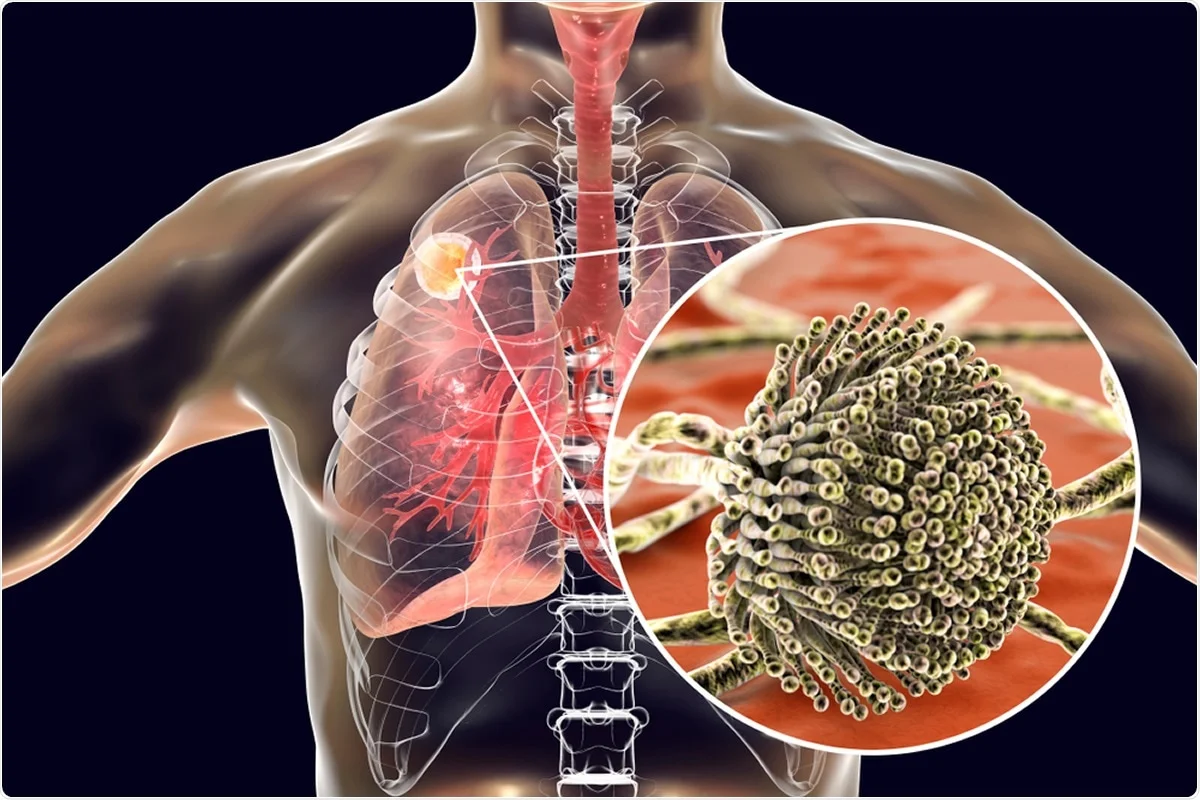
Aspergillosis is an infection caused by the Aspergillus mold, which is commonly found indoors and outdoors. While most people encounter Aspergillus without issues, individuals with weakened immune systems or lung conditions are at higher risk for developing the disease.
Types and Symptoms
1. Allergic Bronchopulmonary Aspergillosis (ABPA)
Occurs in individuals with asthma or cystic fibrosis due to an allergic reaction to the mold.
- Symptoms:
- Fever
- Persistent cough (may include mucus or blood)
- Worsening asthma symptoms
2. Aspergilloma (Fungus Ball)
Forms in lung cavities from conditions like tuberculosis or emphysema.
- Symptoms:
- Cough with blood (hemoptysis)
- Wheezing
- Shortness of breath
- Unintended weight loss
- Fatigue
3. Invasive Aspergillosis
The most severe form, spreading beyond the lungs to other organs, usually in people with severely weakened immune systems.
- Symptoms:
- Fever and chills
- Cough with blood
- Chest or joint pain
- Shortness of breath
- Headaches or eye pain
- Skin lesions
4. Other Aspergillosis Types
Infections in areas like the sinuses can cause:
- Stuffy nose with possible bloody drainage
- Facial pain
- Headaches
- Fever
When to See a Doctor
Seek medical attention if you experience:
- Breathing difficulties or worsening asthma symptoms
- Cough with blood or persistent fever, especially if immunocompromised
- Any unexplained severe symptoms after mold exposure
Causes
Aspergillus mold spores are found in:
- Decaying leaves, compost, and soil
- Plants, trees, and crops
- Indoor environments with poor ventilation or water damage
People with healthy immune systems can typically fight off inhaled spores. However, weakened immune systems provide an opportunity for the mold to cause infection.
Risk Factors
- Weakened Immune System:
- Transplant recipients (especially bone marrow or stem cell)
- Blood cancer patients
- Late-stage AIDS patients
- Low White Blood Cell Levels:
- Chemotherapy patients
- Chronic granulomatous disease
- Pre-existing Lung Conditions:
- Cavities from tuberculosis or emphysema
- Long-term asthma or cystic fibrosis
- Corticosteroid Use:
- Prolonged treatment with steroids increases susceptibility.
Complications
- Bleeding:
Severe lung bleeding, potentially fatal, may occur in aspergillomas or invasive aspergillosis. - Systemic Infection:
Invasive aspergillosis can spread rapidly to vital organs, including the brain, heart, and kidneys, often with fatal outcomes if untreated.
Prevention
- Avoid Mold Exposure:
- Stay away from construction sites, compost, or grain storage areas if immunocompromised.
- Use Protective Equipment:
- Wear masks in high-risk areas.
- Monitor Symptoms:
- Regular check-ups for individuals with asthma, cystic fibrosis, or weakened immune systems.
Conclusion
Aspergillosis can range from mild allergic reactions to severe, life-threatening infections. Early detection and management with antifungal medications or surgery, when necessary, can significantly improve outcomes. For those at risk, preventive measures are essential to minimize exposure to Aspergillus mold.