In a move that could redefine the future of smart-home ecosystems, Apple is reportedly exploring the development of humanoid robots, according to TF International Securities analyst Ming-Chi Kuo. While still in the early proof-of-concept stage, this ambitious project could see mass production as early as 2028. The idea of a humanoid robot, potentially designed in the likeness of Apple’s co-founder Steve Jobs, has sparked both excitement and curiosity about the company’s next big innovation.
The Concept of Humanoid Robots: Not New, But Evolving
The concept of humanoid robots is not new. Over the years, companies like Honda have developed robots such as Asimo, which showcased advanced mobility and interaction capabilities. More recently, Tesla introduced its Optimus robot, aiming to integrate humanoid robots into various applications, from industrial tasks to personal assistance.
Apple’s potential entry into this space could leverage its strengths in hardware and software integration, user experience design, and artificial intelligence. The company’s expertise in creating seamless, intuitive products could give it a unique edge in developing a humanoid robot that stands out in the market.
The Steve Jobs-Inspired Robot: A Tribute or a Tool?
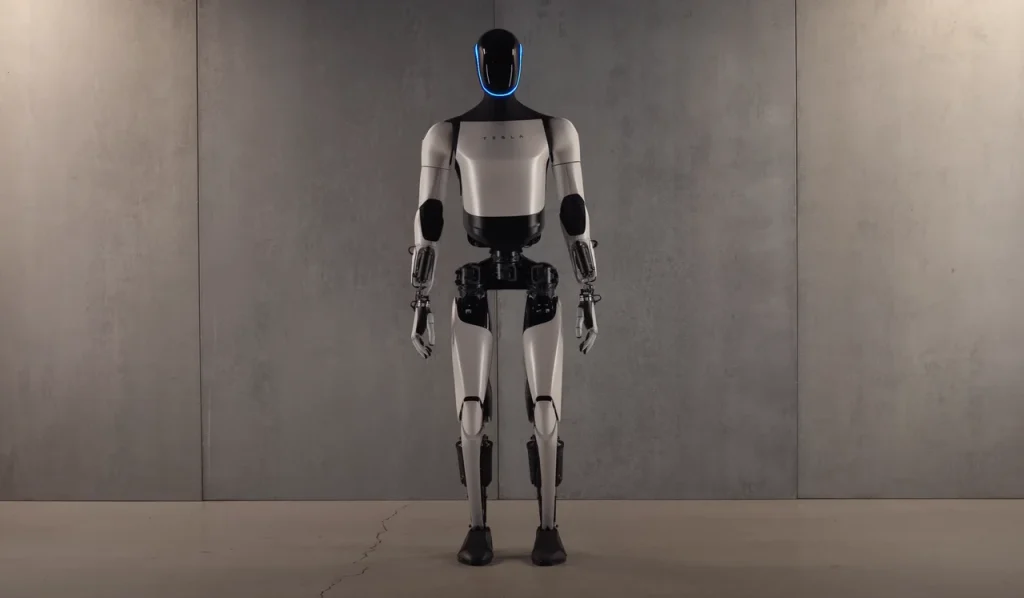

One of the most intriguing aspects of Apple’s rumored project is the possibility of a robot designed in the likeness of Steve Jobs. This idea, while speculative, raises fascinating questions about how such a robot could be used:
- Personal Assistant: A Jobs-inspired robot could serve as a highly advanced personal assistant, offering users a unique and engaging interface for managing tasks, schedules, and smart-home devices.
- Educational Tool: In educational settings, the robot could provide interactive learning experiences, sharing insights into technology, innovation, and Apple’s history.
- Collector’s Item: For Apple enthusiasts, a Steve Jobs-inspired robot would be a coveted collector’s item, blending cutting-edge technology with a tribute to the company’s iconic co-founder.
However, creating a humanoid robot that authentically replicates human appearance and behavior presents significant challenges. The “uncanny valley” phenomenon, where robots that closely resemble humans evoke discomfort, is a critical consideration. Ensuring that a Jobs-inspired robot is both functional and warmly received by users would require meticulous attention to detail in design and interaction.
Practical Applications and Challenges
Beyond aesthetics, the practical applications of a humanoid robot are vast. Apple’s robot could integrate advanced AI to perform a wide range of tasks, from household chores to providing companionship. Key potential applications include:
- Smart-Home Integration: The robot could serve as the central hub for Apple’s smart-home ecosystem, controlling devices like HomeKit-enabled lights, thermostats, and security systems.
- Healthcare Assistance: In healthcare settings, the robot could assist with patient care, medication reminders, and even physical therapy.
- Customer Service: Apple could deploy humanoid robots in its retail stores to enhance customer service and provide personalized shopping experiences.
However, developing such a robot comes with significant challenges:
- Technological Hurdles: Creating a robot that can move, interact, and think like a human requires breakthroughs in AI, robotics, and materials science.
- Ethical Considerations: The use of humanoid robots raises ethical questions about privacy, autonomy, and the potential displacement of human workers.
- User Acceptance: Ensuring that users feel comfortable and safe interacting with a humanoid robot will be crucial for its success.
Apple’s Culture of Secrecy and Innovation
Apple’s history of secrecy around product development means that any humanoid robot project would likely undergo rigorous internal evaluation before any public disclosure. The company’s culture of innovation and attention to detail suggests that if it does enter the humanoid robot space, the product will be meticulously designed and thoughtfully integrated into its ecosystem.
Conclusion: A Fascinating Intersection of Technology and Legacy
The prospect of Apple developing a humanoid robot is a fascinating intersection of technology, design, and legacy. While still speculative and in the early stages of development, such a project exemplifies Apple’s commitment to innovation and its potential to redefine human-technology interaction.
If successful, Apple’s humanoid robot could not only enhance its smart-home ecosystem but also set a new standard for robotics in everyday life. Whether as a personal assistant, an educational tool, or a tribute to Steve Jobs, the possibilities are as exciting as they are ambitious.
As we await further developments, one thing is clear: Apple’s exploration of humanoid robots is a testament to its enduring drive to push the boundaries of what technology can achieve. The future of robotics may well have an Apple logo on it. 🤖🍏