


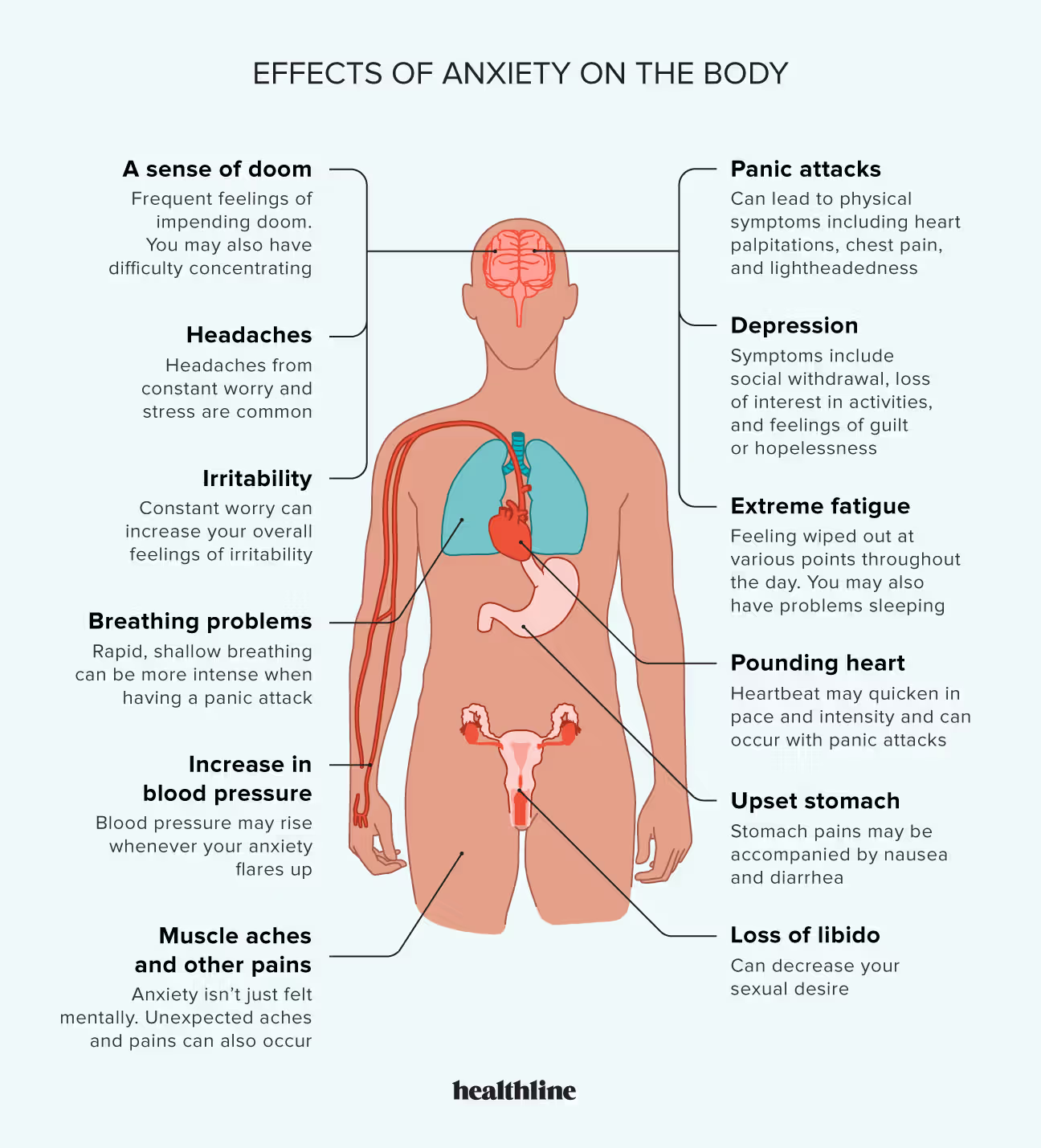
Anxiety is a normal emotion experienced by everyone from time to time. However, anxiety disorders are characterized by persistent, excessive worry and fear that interfere with daily activities. These disorders often involve physical symptoms and can lead to avoidance of certain situations. Anxiety disorders encompass a range of conditions, including generalized anxiety disorder, panic disorder, social anxiety disorder, and specific phobias.
Symptoms of Anxiety Disorders
Anxiety disorders manifest through emotional, physical, and behavioral symptoms. Common signs include:
Emotional Symptoms
- Excessive worry or fear.
- A sense of impending doom or danger.
- Trouble concentrating or thinking beyond current concerns.
Physical Symptoms
- Increased heart rate (palpitations).
- Rapid breathing (hyperventilation).
- Sweating, trembling, or shaking.
- Gastrointestinal issues like nausea or diarrhea.
- Fatigue or feeling weak.
Behavioral Symptoms
- Avoiding places or situations that trigger anxiety.
- Restlessness or feeling on edge.
- Difficulty controlling worry.
Types of Anxiety Disorders
- Generalized Anxiety Disorder (GAD)
Persistent, excessive worry about everyday events, often with no clear cause. - Panic Disorder
Characterized by sudden episodes of intense fear (panic attacks), often accompanied by physical symptoms such as chest pain or shortness of breath. - Social Anxiety Disorder (Social Phobia)
Intense fear of social interactions due to concerns about being judged or embarrassed. - Specific Phobias
Extreme fear triggered by specific objects or situations, such as heights or spiders. - Agoraphobia
Fear of situations where escape might be difficult, often leading to avoidance of crowded or enclosed spaces. - Separation Anxiety Disorder
Excessive fear of being separated from loved ones, common in children but also occurring in adults. - Substance-Induced Anxiety Disorder
Anxiety caused by misuse of drugs, medications, or exposure to toxic substances. - Selective Mutism
Consistent inability to speak in specific social situations despite being able to speak in others.
When to See a Doctor
Seek medical attention if:
- Anxiety interferes significantly with work, relationships, or daily life.
- You have difficulty managing fear or worry.
- Anxiety is accompanied by other mental health concerns like depression or substance use.
- You experience physical symptoms such as chest pain or trouble breathing.
Immediate help:
Seek emergency care if anxiety includes thoughts of self-harm or suicide.
Causes of Anxiety Disorders
The exact cause of anxiety disorders is unclear, but several factors may contribute:
- Genetics: Family history of anxiety increases risk.
- Brain Chemistry: Imbalances in neurotransmitters.
- Environmental Factors: Stressful or traumatic life events.
- Underlying Medical Conditions: Heart disease, thyroid disorders, or chronic illnesses can trigger anxiety.
Risk Factors
Factors that increase the likelihood of developing anxiety include:
- Trauma: Experiencing abuse, neglect, or witnessing a traumatic event.
- Chronic Stress: Long-term exposure to stressful situations.
- Other Mental Health Disorders: Depression or substance use disorders.
- Family History: A genetic predisposition to anxiety.
- Personality Traits: Certain personality types are more prone to anxiety.
- Drug or Alcohol Use: Misuse or withdrawal can worsen symptoms.
Complications
Untreated anxiety can lead to:
- Depression or other mental health disorders.
- Substance misuse.
- Sleep disturbances like insomnia.
- Chronic pain or digestive problems.
- Social isolation and relationship difficulties.
- Poor performance at work or school.
- Increased risk of suicide.
Diagnosis
Diagnosis involves:
- Physical Exam: To rule out underlying medical conditions.
- Psychological Evaluation: Understanding symptoms and their impact.
- Criteria from DSM-5: Meeting diagnostic guidelines for specific anxiety disorders.
Treatment and Management
Treatment often involves a combination of therapy, medication, and lifestyle changes:
Therapies
- Cognitive Behavioral Therapy (CBT): Focuses on identifying and changing negative thought patterns.
- Exposure Therapy: Gradual exposure to feared situations to reduce sensitivity.
Medications
- Antidepressants: Selective serotonin reuptake inhibitors (SSRIs) like sertraline.
- Anti-Anxiety Medications: Benzodiazepines (short-term use only).
- Beta-Blockers: To manage physical symptoms like rapid heart rate.
Lifestyle and Self-Care
- Regular Exercise: Helps reduce stress and improve mood.
- Healthy Diet: Avoid caffeine and alcohol, which can worsen symptoms.
- Stress Management Techniques: Mindfulness, meditation, or yoga.
- Adequate Sleep: Establish a consistent sleep schedule.
Prevention
While anxiety disorders can’t always be prevented, you can reduce the risk or impact by:
- Seeking help early for stress or trauma.
- Maintaining a healthy lifestyle, including exercise and proper diet.
- Avoiding alcohol, drugs, and excessive caffeine.
- Building strong social connections for support.
Living with Anxiety Disorders
With the right treatment and support, individuals with anxiety disorders can lead fulfilling lives. It’s important to stay consistent with therapy, practice self-care, and lean on support systems to navigate challenges. Recognizing and addressing symptoms early can make a significant difference in long-term outcomes.


