


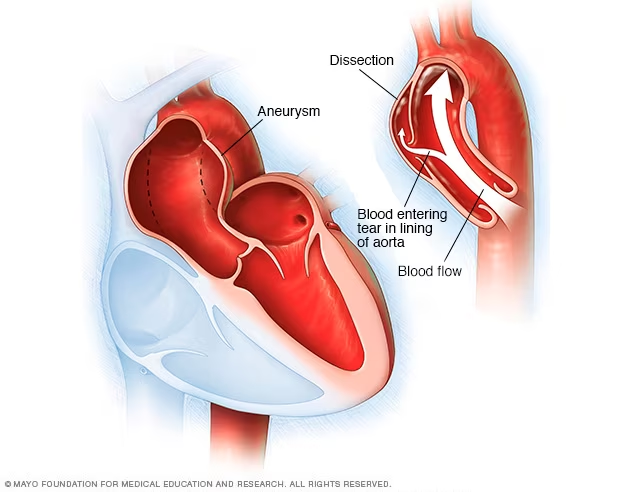
An aortic dissection is a life-threatening condition in which a tear develops in the inner layer of the aorta, the body’s largest artery. This tear allows blood to flow between the layers of the aorta’s wall, causing them to separate (dissect). If the blood breaches the outer aortic wall, it can lead to fatal internal bleeding.
Types of Aortic Dissection
- Type A
- The more common and severe form.
- Involves a tear in the ascending aorta (the part closest to the heart).
- May extend into the abdomen.
- Type B
- Involves a tear in the descending aorta (the part farther from the heart).
- May also extend into the abdomen.
Symptoms
Aortic dissection symptoms often mimic those of other conditions, such as a heart attack, which can delay diagnosis. Key symptoms include:
- Sudden severe chest or upper back pain: Often described as tearing or ripping, radiating to the neck or back.
- Severe stomach pain.
- Loss of consciousness.
- Shortness of breath.
- Stroke-like symptoms: Sudden vision issues, difficulty speaking, or weakness/paralysis on one side of the body.
- Weak pulse in one arm or thigh compared to the other.
- Leg pain or difficulty walking.
When to Seek Medical Attention
If you experience any of the following, seek emergency care immediately:
- Severe chest, back, or abdominal pain.
- Symptoms of a stroke, such as difficulty speaking or weakness on one side of the body.
- Sudden shortness of breath or fainting.
Early detection and prompt treatment are critical to improving survival rates.
Causes
Aortic dissection occurs due to weakening of the aortic wall, which can be caused by:
- Aortic aneurysm (a bulging and weakened area of the aorta).
- High blood pressure (hypertension).
- Atherosclerosis (hardening of the arteries).
- Bicuspid aortic valve defect (an aortic valve with only two leaflets instead of three).
- Genetic conditions, such as:
- Marfan syndrome: Weak connective tissue leading to a higher risk of aortic complications.
- Ehlers-Danlos syndrome: Fragile blood vessels and loose joints.
- Loeys-Dietz syndrome: Twisting of arteries, especially in the neck.
Other causes include inflammation of arteries (giant cell arteritis) or injury to the chest.
Risk Factors
Factors that increase the risk of aortic dissection include:
- Age: Most common in people over 60.
- Sex: Men are more likely to develop aortic dissection than women.
- Cocaine use: Temporarily raises blood pressure, increasing risk.
- Pregnancy: Rarely, aortic dissections occur during pregnancy in otherwise healthy women.
- High-intensity weightlifting: Sudden increases in blood pressure during resistance training can contribute to aortic dissection.
Complications
If untreated, aortic dissection can lead to severe complications:
- Death from internal bleeding.
- Stroke: Due to reduced blood flow to the brain.
- Organ damage: Such as kidney failure or intestinal injury.
- Heart valve damage: Can cause aortic regurgitation (leakage of blood back into the heart).
- Cardiac tamponade: Accumulation of blood around the heart, impairing its function.
Diagnosis
Early and accurate diagnosis is crucial. Tests may include:
- Imaging tests:
- CT scan with contrast.
- MRI of the heart and aorta.
- Transesophageal echocardiogram (TEE).
- Blood pressure monitoring: Differences in blood pressure between arms may suggest dissection.
Treatment
Emergency Treatment
- Type A aortic dissection: Requires immediate surgery to repair the tear and prevent rupture.
- Type B aortic dissection: May be treated with medications to lower blood pressure and reduce stress on the aorta. Surgery is reserved for complications such as organ damage or persistent pain.
Surgical Options
- Open Surgery: Removal of the damaged portion of the aorta, replaced with a synthetic graft.
- Endovascular Repair: Placement of a stent to reinforce the aortic wall.
Medications
- Blood pressure-lowering drugs, such as beta blockers, to reduce strain on the aortic wall.
- Pain relief medications.
Prevention
While not all aortic dissections can be prevented, steps to reduce risk include:
- Control Blood Pressure: Maintain healthy levels with lifestyle changes and medications if needed.
- Quit Smoking: Smoking weakens blood vessels and accelerates atherosclerosis.
- Healthy Lifestyle:
- Eat a low-salt, heart-healthy diet rich in fruits, vegetables, and whole grains.
- Maintain a healthy weight.
- Engage in regular physical activity.
- Avoid Strenuous Activity: Consult with your doctor before engaging in intense weightlifting or resistance training.
- Genetic Counseling: For individuals with a family history of aortic aneurysm or connective tissue disorders.
- Regular Monitoring: If you have an aortic aneurysm, follow your doctor’s recommendations for imaging and follow-up.
When to Work with Your Doctor
If you have a family history of aortic dissection, an aortic aneurysm, or a connective tissue disorder, regular monitoring and preventive measures are essential. Discuss with your healthcare provider about:
- Frequency of imaging tests.
- Medications to lower blood pressure or stabilize the aorta.
- Surgical options if an aneurysm is detected.
Aortic dissection is a medical emergency. Early diagnosis, appropriate management, and preventive care are key to improving outcomes and saving lives.


