


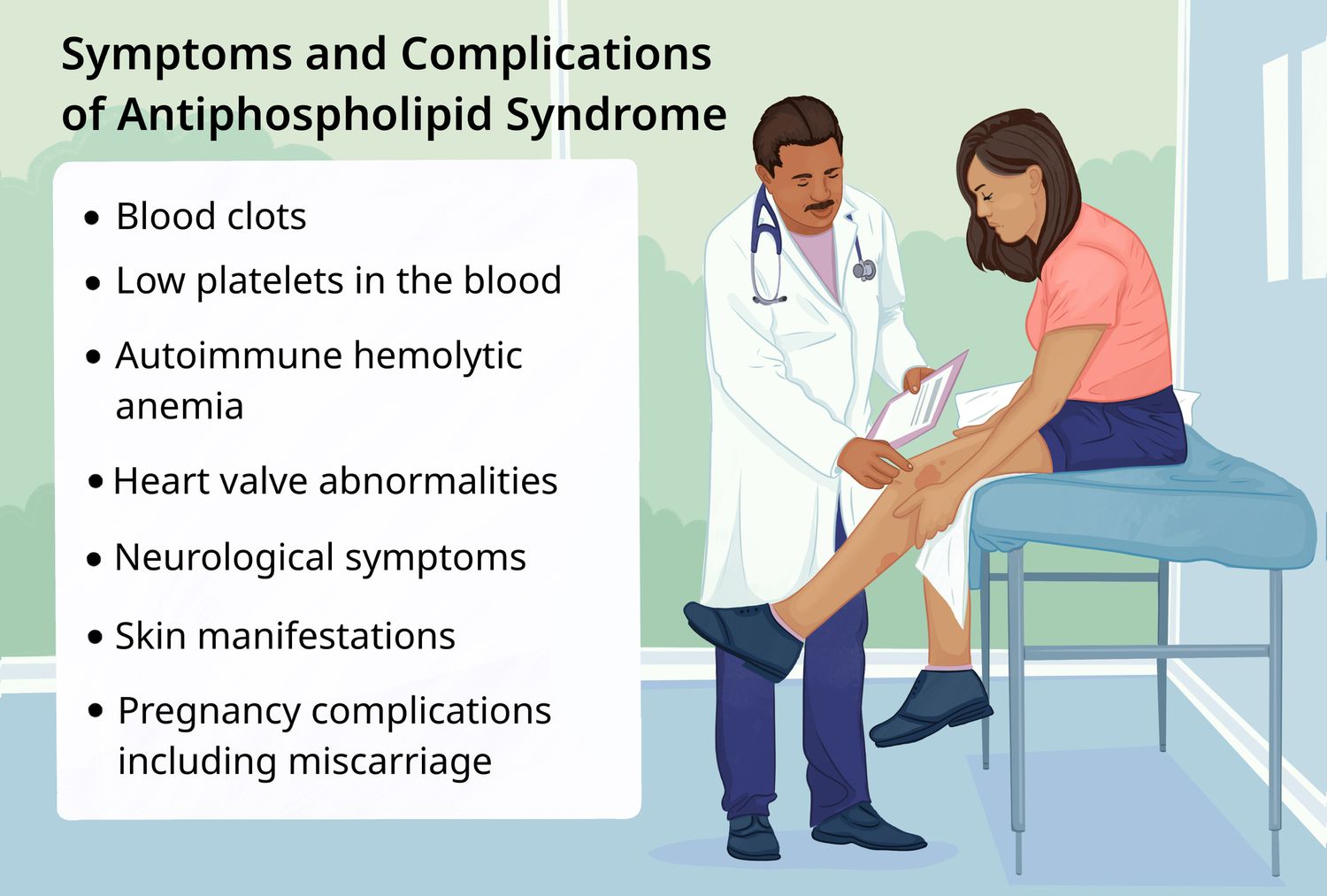
Antiphospholipid syndrome (APS) is a rare autoimmune disorder where the immune system mistakenly produces antibodies that increase the likelihood of blood clots forming in arteries and veins. These blood clots can result in serious complications, including deep vein thrombosis (DVT), stroke, heart attacks, and pregnancy complications such as miscarriages and stillbirths.
While there is no cure for APS, proper diagnosis and management with medications can significantly reduce the risk of complications and improve quality of life.
Symptoms of Antiphospholipid Syndrome
The symptoms of APS vary depending on where blood clots form and the organs they affect. Common signs include:
Common Symptoms:
- Blood clots in the legs (DVT):
- Pain, redness, and swelling in the leg.
- Potential for clots to travel to the lungs, causing pulmonary embolism.
- Stroke:
- Sudden numbness, weakness, or paralysis of the face, arm, or leg.
- Difficulty speaking, visual disturbances, and severe headache.
- Recurrent miscarriages or stillbirths:
- Pregnancy complications such as preeclampsia (high blood pressure) or premature delivery.
- Transient ischemic attack (TIA):
- Similar to a stroke but temporary and without lasting damage.
- Rash (livedo reticularis):
- A red or purplish rash with a net-like pattern.
Less Common Symptoms:
- Neurological issues: Chronic headaches, migraines, dementia, or seizures.
- Cardiovascular issues: Heart valve damage or chronic heart complications.
- Thrombocytopenia: Low platelet counts, causing nosebleeds, gum bleeding, or patches of small red spots on the skin.
When to Seek Medical Attention
Immediate medical care is essential if you experience symptoms of:
- Stroke: Sudden numbness, confusion, or vision changes.
- Pulmonary embolism: Sudden shortness of breath, chest pain, or coughing up blood.
- DVT: Swelling, redness, or pain in the leg.
Contact your healthcare provider for any unusual bleeding, such as heavy menstrual bleeding, blood in vomit or stool, or unexplained pain.
Causes of Antiphospholipid Syndrome
APS occurs when the immune system produces harmful antibodies that attack the body’s own tissues, particularly proteins involved in blood clotting. These antibodies include:
- Anticardiolipin antibodies.
- Lupus anticoagulant.
- Anti-beta-2 glycoprotein I antibodies.
In many cases, APS is secondary to other autoimmune disorders like lupus. However, it can also occur without an identifiable underlying condition (primary APS).
Risk Factors for APS
Several factors increase the likelihood of developing APS or experiencing its complications:
1. Gender:
Women are more likely to develop APS than men.
2. Associated Conditions:
- Autoimmune disorders like lupus.
- High cholesterol and triglycerides.
3. Lifestyle Factors:
- Smoking cigarettes.
- Use of oral contraceptives or hormone replacement therapy.
- Immobility due to bed rest, long flights, or surgery.
4. Pregnancy:
Pregnant individuals with APS are at higher risk of miscarriage, preeclampsia, and stillbirth.
Complications of Antiphospholipid Syndrome
If untreated, APS can lead to serious health problems, including:
- Kidney Failure: Reduced blood flow to the kidneys can cause long-term damage.
- Stroke: Blocked blood flow to the brain can result in neurological damage.
- Heart Problems: Blood clots can damage heart valves or cause chronic swelling in the legs.
- Lung Conditions: Pulmonary embolism or high blood pressure in the lungs (pulmonary hypertension).
- Pregnancy Complications: Including miscarriages, premature births, and slowed fetal growth.
In rare cases, APS can lead to catastrophic antiphospholipid syndrome (CAPS), which involves multiple organ failure over a short period due to widespread clotting.
Diagnosis of APS
Diagnosing APS involves identifying specific antibodies and assessing clinical symptoms. Common diagnostic steps include:
- Blood tests: To check for anticardiolipin antibodies, lupus anticoagulant, and anti-beta-2 glycoprotein I antibodies.
- Imaging tests: To detect blood clots in affected organs.
The presence of antibodies without symptoms does not confirm APS, but it may indicate an increased risk.
Treatment and Management
APS is a chronic condition that requires lifelong management. Treatment focuses on preventing blood clots and managing complications:
Medications:
- Anticoagulants (blood thinners):
- Warfarin: Often prescribed to prevent clot formation.
- Heparin and low-molecular-weight heparin: Used during pregnancy.
- Direct oral anticoagulants (DOACs): Sometimes used for blood clot prevention.
- Aspirin:
- Low-dose aspirin may be recommended to prevent clot formation in mild cases.
Lifestyle Modifications:
- Quit smoking to reduce cardiovascular risk.
- Exercise regularly to improve circulation.
- Maintain a healthy weight.
- Manage associated conditions like high cholesterol and blood pressure.
Prevention of Complications
To reduce the risk of APS complications:
- Follow prescribed treatments: Take anticoagulants as directed.
- Avoid prolonged immobility: Stretch or move during long flights or hospital stays.
- Inform healthcare providers: Make sure all doctors know about your APS diagnosis, especially before surgeries or starting new medications.
- Pregnancy planning: Work closely with a healthcare provider if you’re planning a pregnancy.
Living with Antiphospholipid Syndrome
While APS has no cure, early diagnosis and consistent treatment can significantly reduce risks and improve quality of life. Regular follow-ups with a healthcare provider are essential for monitoring and adjusting treatment as needed.
By staying informed, adopting a healthy lifestyle, and following medical advice, individuals with APS can lead full and active lives.


