


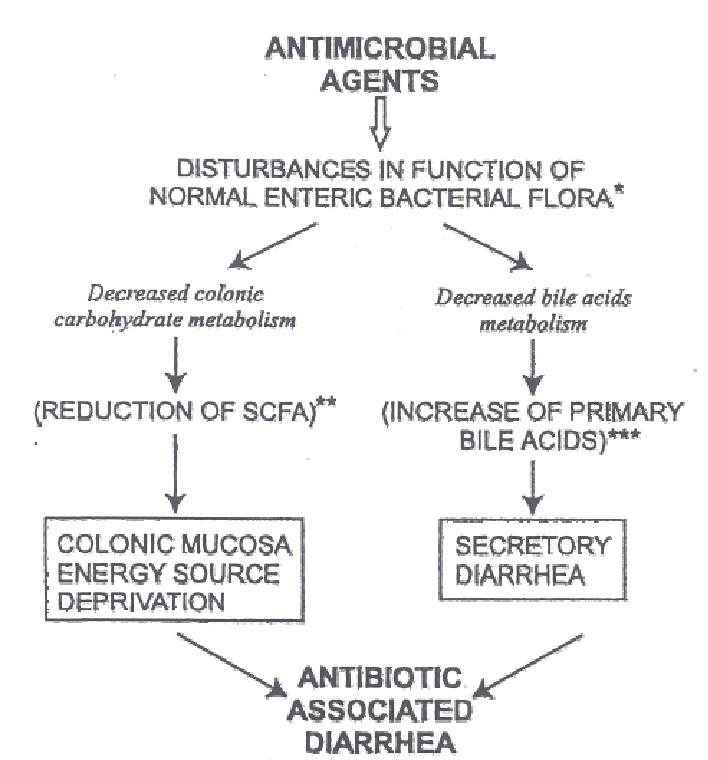
Antibiotic-associated diarrhea (AAD) refers to loose, watery stools that occur after taking antibiotics. This condition can range from mild and self-limiting to severe, requiring medical attention. About 1 in 5 people who take antibiotics experience this side effect. Understanding the causes, symptoms, and prevention of AAD can help manage and reduce its impact.
What Causes Antibiotic-Associated Diarrhea?
Antibiotic-associated diarrhea occurs when antibiotics disrupt the delicate balance of “good” and “bad” bacteria in the gastrointestinal tract. This imbalance can lead to loose stools and other gastrointestinal symptoms. In some cases, antibiotics allow harmful bacteria like Clostridioides difficile (C. difficile) to flourish, causing more severe symptoms.
Antibiotics Most Commonly Associated with AAD:
- Macrolides (e.g., clarithromycin)
- Cephalosporins (e.g., cefdinir, cefpodoxime)
- Fluoroquinolones (e.g., ciprofloxacin, levofloxacin)
- Penicillins (e.g., amoxicillin, ampicillin)
Symptoms of Antibiotic-Associated Diarrhea
Mild AAD Symptoms:
- Loose stools
- Increased frequency of bowel movements
These symptoms typically resolve within a few days after stopping the antibiotic.
Severe AAD Symptoms:
Caused by C. difficile infection, which produces toxins that damage the intestinal lining:
- Severe diarrhea
- Lower abdominal pain and cramping
- Dehydration
- Low-grade fever
- Nausea and loss of appetite
Note: Symptoms may begin about a week after starting antibiotics but can also appear days or weeks after finishing the course.
Risk Factors for AAD
While anyone can develop AAD, certain factors increase the likelihood:
- Past history of AAD or C. difficile infection.
- Prolonged antibiotic use or high-dose regimens.
- Concurrent use of multiple antibiotics.
- Weakened immune system due to illness or medical treatments.
- Hospitalization or receiving medical care in healthcare facilities.
Complications of AAD
Dehydration
One of the most common complications of diarrhea, dehydration can become severe and life-threatening if not managed.
- Symptoms of dehydration:
- Very dry mouth
- Intense thirst
- Little or no urination
- Dizziness and weakness
Severe C. difficile Infection
In some cases, C. difficile can lead to life-threatening complications, including:
- Toxic megacolon (enlarged colon)
- Perforation of the bowel
- Sepsis
When to Seek Medical Attention
Consult a healthcare provider immediately if you experience:
- Severe diarrhea lasting more than 48 hours.
- Blood or pus in the stool.
- Symptoms of dehydration, such as extreme thirst or reduced urination.
- Fever or severe abdominal pain.
Diagnosis of AAD
AAD is typically diagnosed based on symptoms and history of antibiotic use. For more severe cases, doctors may recommend:
- Stool tests to detect C. difficile toxins.
- Blood tests to check for signs of infection or inflammation.
- Imaging tests (e.g., CT scans) to assess complications like toxic megacolon.
Treatment for Antibiotic-Associated Diarrhea
Mild Cases
- Symptoms often resolve after stopping the antibiotic.
- Stay hydrated by drinking water, oral rehydration solutions, or electrolyte drinks.
Severe Cases (e.g., C. difficile)
- Antibiotics: Paradoxically, antibiotics such as vancomycin or fidaxomicin may be prescribed to treat C. difficile.
- Probiotics: May help restore healthy gut bacteria.
- Fluids: Intravenous (IV) fluids may be necessary in severe dehydration cases.
Prevention of AAD
1. Responsible Antibiotic Use
- Take antibiotics only when necessary and prescribed by a healthcare provider.
- Avoid using antibiotics for viral infections like colds or flu.
2. Hand Hygiene
- Wash hands thoroughly with soap and water, especially after using the bathroom or before meals.
- Use alcohol-based hand sanitizers when soap is unavailable.
3. Probiotics
- Consider taking a probiotic supplement during antibiotic treatment. Probiotics like Lactobacillus or Saccharomyces boulardii can help maintain gut flora.
4. Inform Your Doctor
- Share your history of AAD or C. difficile infections with your doctor. They may prescribe antibiotics less likely to disrupt gut bacteria.
5. Hospital Precautions
- If you’re hospitalized, remind caregivers to wash their hands or use gloves to reduce exposure to C. difficile.
Key Takeaways
- Antibiotic-associated diarrhea is a common side effect of antibiotics but is usually mild and resolves on its own.
- Severe cases, particularly those caused by C. difficile, require prompt medical attention and treatment.
- Preventative measures, including responsible antibiotic use and maintaining hygiene, can significantly reduce the risk of AAD.
- Staying hydrated is critical to managing symptoms and preventing complications like dehydration.
By understanding the causes, symptoms, and prevention of AAD, you can take proactive steps to manage your health while benefiting from necessary antibiotic treatments.


