The Albanian Lek ALL is the official currency of Albania, used nationwide for transactions, savings, and financial operations. Issued and regulated by the Bank of Albania, the Albanian Lek ALL serves as the backbone of the country’s monetary system. The currency is denoted by the symbol L and is actively traded against major global currencies, with the ALL to USD exchange rate among the most closely observed benchmarks.
The Albanian Lek ALL plays a central role in a developing European economy that has undergone significant transformation since the early 1990s. As Albania continues to integrate into regional and global markets, the stability and management of its currency remain critical to economic growth and financial confidence.
Albanian Lek ALL Structure and Denominations
The Albanian Lek ALL is subdivided into 100 qindarkë, although these smaller units are rarely used in daily transactions due to inflation and pricing practices. Instead, most transactions are conducted using whole lek denominations.
Coins in circulation commonly include Lek1, Lek5, Lek10, Lek20, Lek50, and Lek100. These coins are used for small-value transactions, particularly in retail settings and public services.
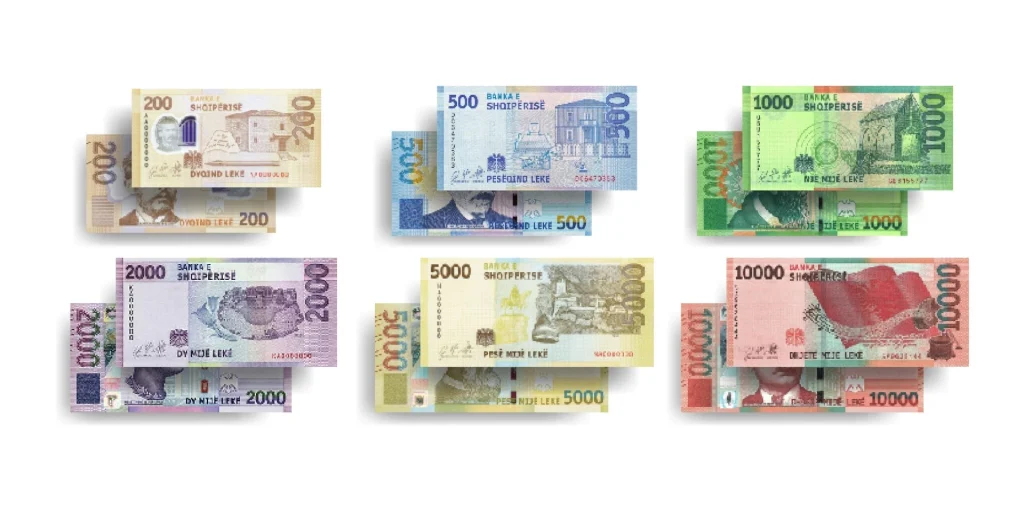
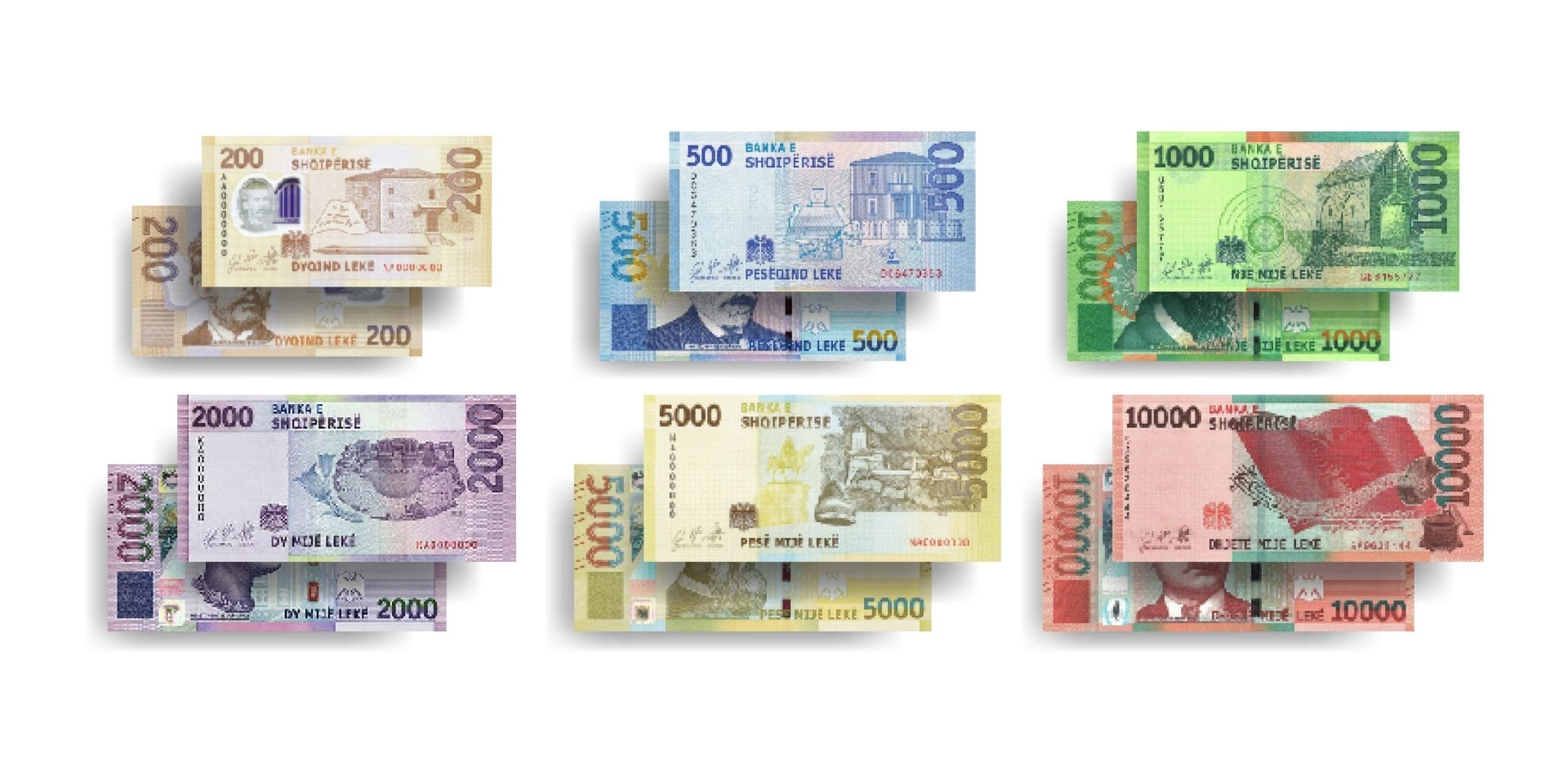
Banknotes form a significant part of the Albanian Lek ALL system and are issued in denominations of Lek200, Lek500, Lek1000, Lek2000, and Lek5000. These notes are widely used across the economy for both everyday spending and larger payments.
The design of Albanian currency reflects national heritage, featuring prominent historical figures and cultural symbols that highlight the country’s identity.
Read Also: Emirati Dirham AED: Currency Profile and History
Albanian Lek ALL in Daily Transactions
The Albanian Lek ALL is used across all sectors of the economy, including retail, services, agriculture, and government operations. Prices for goods and services are typically quoted in lek, making it the primary medium of exchange.
However, foreign currencies, particularly the Euro, are also used in certain sectors. In real estate, tourism, and some large transactions, the euro is often accepted due to Albania’s close economic ties with the European Union.
Despite this, the Albanian Lek ALL remains dominant in everyday transactions. Salaries, taxes, and most public sector payments are denominated in lek, reinforcing its central role in the economy.
Monetary Authority and Policy
The Bank of Albania is responsible for issuing and managing the Albanian Lek ALL. Its mandate includes maintaining price stability, supervising financial institutions, and supporting economic growth.
Monetary policy in Albania is influenced by both domestic conditions and external factors. Inflation, exchange rate movements, and economic growth trends all play a role in shaping policy decisions.
The central bank also monitors the exchange rate of the Albanian Lek ALL, although it operates under a managed floating regime. This allows the currency to fluctuate based on market conditions while enabling the central bank to intervene when necessary.
Albanian Lek ALL Exchange Rates and Market Trends
The Albanian Lek ALL is traded in foreign exchange markets, with the ALL to USD rate serving as a key indicator of its value. Exchange rate movements are influenced by factors such as trade balances, foreign investment, and remittances from the Albanian diaspora.
Remittances play a particularly important role in Albania’s economy. Funds sent from abroad contribute to household income and can affect demand for foreign currency, influencing the value of the lek.
Additionally, tourism is a major source of foreign exchange. Seasonal inflows of foreign currency can strengthen the Albanian Lek ALL during peak travel periods.
Economic Context and Regional Integration
Albania’s economy has evolved significantly over the past decades, transitioning from a centrally planned system to a market-oriented economy. The Albanian Lek ALL has been central to this transformation, supporting trade, investment, and financial development.
The country’s aspiration to join the European Union has also influenced economic policy. Regulatory reforms and financial sector improvements have been implemented to align with European standards.
Within the region, Albania maintains trade relationships with neighboring countries in the Balkans and beyond. These interactions influence currency demand and exchange rate dynamics.
Albanian Lek ALL in the Global Context
Globally, the Albanian Lek ALL is considered a minor currency. It is not widely used outside Albania and is not held as a reserve currency. However, it remains important for understanding the country’s domestic economy and financial stability.
International investors and institutions monitor the lek as part of broader assessments of emerging European markets. Its performance can provide insights into economic trends in the Western Balkans.
Outlook for Albanian Lek ALL
The future of the Albanian Lek ALL will depend on economic growth, fiscal discipline, and continued integration with European markets. Strengthening financial institutions and maintaining macroeconomic stability will be key priorities.
At the same time, external factors such as global economic conditions and regional developments will influence the currency’s trajectory. Exchange rate stability will remain an important consideration for policymakers.
In conclusion, the Albanian Lek ALL is a fundamental component of Albania’s financial system. It supports economic activity across all sectors and reflects the country’s ongoing development. As Albania continues its path toward greater regional integration, the lek will remain central to its economic framework.