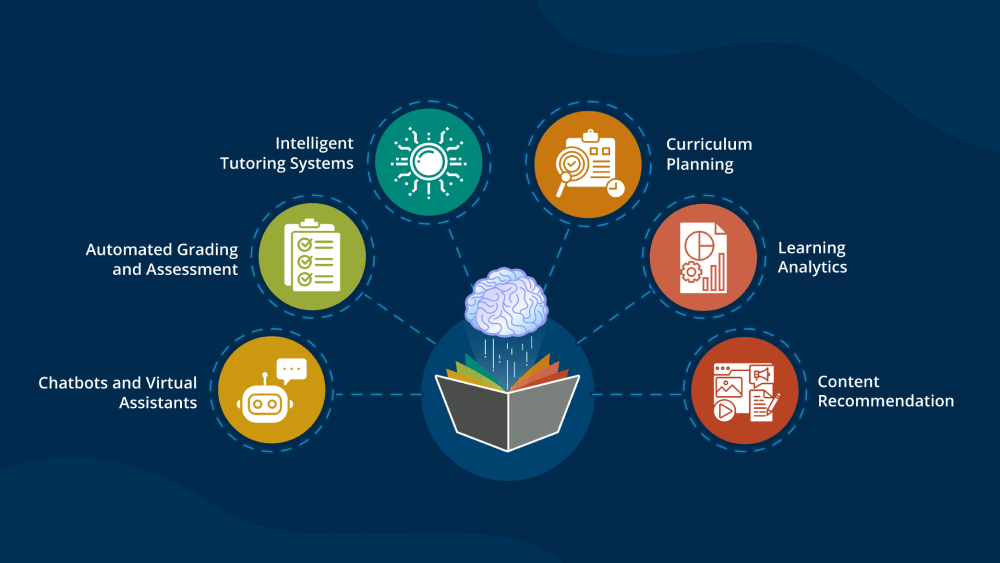
In 2025, AI in EdTech is redefining how students learn, how teachers teach, and how institutions deliver education. With the rise of smart tutors, adaptive learning platforms, and AI-driven content generation, artificial intelligence is personalizing education at an unprecedented scale.
From early childhood literacy to university-level courses and corporate training, AI-powered educational technology is building a new paradigm of learner-centered instruction.
🎓 Why the Education Sector Is Turning to AI
Traditional education systems face critical challenges:
- Overcrowded classrooms
- Unequal access to quality education
- One-size-fits-all teaching models
- Teacher shortages in rural and underserved areas
AI in EdTech offers scalable solutions that address these gaps through intelligent automation, data-driven personalization, and 24/7 learning support.
🤖 Smart Tutors: The New Learning Companions
Smart tutors powered by AI serve as on-demand virtual instructors that guide students through lessons, quizzes, and explanations. These systems can:
- Detect where a student is struggling
- Break down complex concepts in simple terms
- Provide instant feedback
- Motivate learners through gamification and encouragement
Unlike static e-learning content, AI tutors adjust to the learner’s pace, keeping them engaged and challenged without overwhelming them.
📈 Adaptive Learning Platforms
Adaptive learning uses AI to tailor course delivery based on each student’s:
- Skill level
- Learning style
- Speed of progress
- Knowledge gaps
These platforms constantly assess performance through real-time analytics and adjust difficulty, content type, and delivery method accordingly.
Benefits of adaptive learning include:
- Faster mastery of concepts
- Improved retention and comprehension
- Personalized remediation
- Boosted student confidence and engagement
📚 AI-Powered Content Creation and Grading
Natural Language Generation (NLG) tools now create customized lesson plans, quizzes, summaries, and even explainer videos. Teachers can save hours of prep time and focus on mentorship.
On the assessment side, AI grading tools evaluate multiple-choice, short answer, and even essay submissions using pre-trained rubrics.
Impact:
- Reduced grading workload
- Fairer assessments with consistent standards
- Quick feedback cycles to improve learning
💻 Intelligent Learning Analytics
AI tracks learners’ performance across platforms to identify:
- Learning bottlenecks
- Dropout risks
- Engagement patterns
- Optimal study habits
These insights allow educators to intervene early, provide personalized support, and continuously improve curriculum design.
🔁 Comparison: Traditional vs AI-Enhanced Education
| Area | Traditional Approach | AI-Enhanced Approach |
|---|---|---|
| Teaching Style | Same pace for all | Customized pace and content per learner |
| Feedback Delivery | Periodic and delayed | Real-time, continuous |
| Assessment | Manual grading | AI-powered auto-grading |
| Student Engagement | Lecture-based | Interactive, gamified, and responsive |
| Curriculum Design | Static textbooks | Dynamic AI-curated content |
🌍 Where AI in EdTech Is Making a Difference
- K-12 Education: AI tutors helping students in math, science, and reading
- Higher Education: Adaptive platforms in MOOCs and online universities
- Workplace Learning: Personalized upskilling paths using AI analytics
- Special Needs Education: AI speech and behavior support for neurodiverse learners
- Underserved Regions: Mobile-first AI tutors providing access to quality learning
⚠️ Challenges of AI in EdTech
While transformative, the adoption of AI in EdTech also presents challenges:
- Equity concerns around access to devices and internet
- Data privacy risks with minors’ learning records
- Over-reliance on automation in critical thinking areas
- Teacher displacement fears in some institutions
The key lies in blending AI with human teaching, where teachers use AI as a tool, not a replacement.
✅ Conclusion
AI in EdTech is no longer a futuristic dream—it’s an evolving force reshaping how we educate. With smart tutors, adaptive learning paths, and AI-enhanced content, education is becoming more personalized, accessible, and impactful than ever before.
As schools, universities, and companies embrace this transformation, AI will continue to unlock new possibilities—helping every learner reach their full potential, regardless of background or location.