For example, if you have Afrigas by Shell, just go to shell Petro station, give them a receipt, and they will write a receipt. When you reach where you are relocating, go to any shell Petrol station and receive another cylinder as replacement
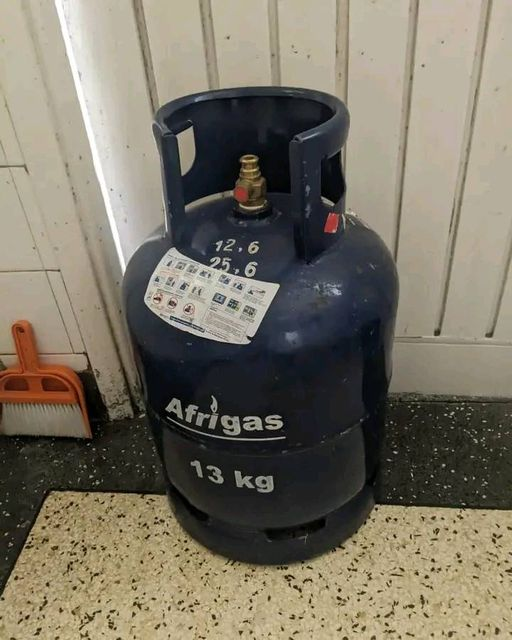
The Energy and Petroleum Regulatory Authority (EPRA) specifies the safe transportation methods for liquefied petroleum gas (LPG) cylinders.Transporting a full gas cylinder in a matatu or any other vehicle not authorized to transport LPG cylinders is prohibited, according to EPRA.
Many Kenyans persist in utilizing public transportation vehicles to move their entire gas cylinders in defiance of the ban, despite warnings from the Regulatory Authority.
Three risks associated with using a matatu to transport gas, complete with its burner, were compiled by Nyongesa Sande
Lack of secure holding
Gas cylinders are not supposed to bang against one another or any other hard surface when being transported in a vehicle.
The burner will knock even if it is securely fastened in a matatu; this could lead to the valve moving out of position.
At that point, the gas cylinder transforms into a missile with enough force to break through walls made of concrete.
Leakage
A full set of cylinders in a matatus may leak or activate the gas valve as a result of incorrect handling.
Gas leaks are risky because they can explode when they come into touch with gases that are incompatible with one another.
If a match is lit inside or next to the car, there’s also a chance it will explode.
Fire extinguisher
The Kenya Subsidiary Legislation, 2019 states that fire extinguishers are required in every vehicle that transports LPG cylinders.
The law stipulates that a motor vehicle used for cylinder transportation must have two functional dry powder fire extinguishers weighing at least nine kilos each.
In the event of an accident, there wouldn’t be an emergency response because matatus lack such provision.
Fine for carrying gas cylinders using matatus
According to the Kenya Subsidiary Legislation, 2019, moving gas cylinders in a vehicle without an EPRA permit is prohibited.
According to the law, “using a vehicle for the transportation of bulk LPG without a valid permit issued by the Authority attracts a fine not less than Ksh1 million.”
You can now easily exchange your gas cylinder
A significant victory has been achieved by small and medium-sized cooking gas dealers in their battle to increase their market share in a sector that is dominated by global oil marketing corporations.
As long as the consumers are exchange members, the enterprises operating under the Energy Dealers Association (EDA) can now establish a cylinder exchange pool that will enable their clients to refuel with cooking gas from the closest retailer.
2019 saw the elimination of a comparable industry-wide exchange pool due to worries about the surge of illicit refills.