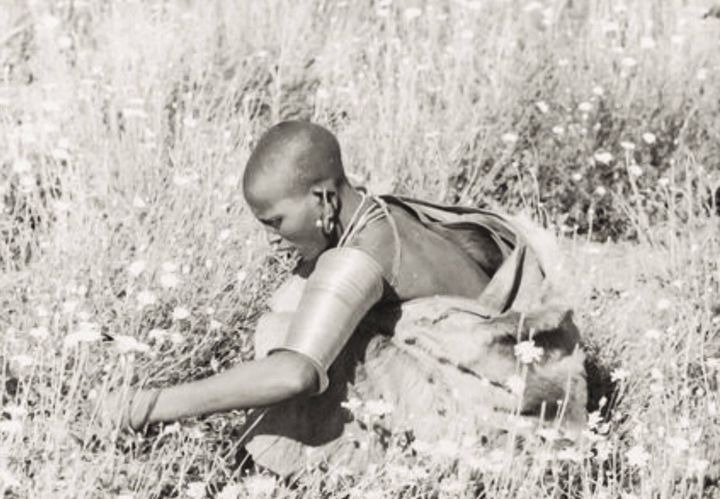
The Kipsigis are a sub-group of the Kalenjin ethnic community in Kenya, primarily residing in the highland areas of Kericho and Bomet counties in the Rift Valley region. They are among the largest of the Kalenjin sub-groups and are known for their rich cultural traditions, agricultural heritage, and distinctive social organization.
Key Aspects of Kipsigis Culture:
1. Traditional Attire and Adornments:
- Historically, Kipsigis people adorned themselves with vibrant beadwork, especially necklaces, earrings, and bracelets, symbolizing status and identity.
- Women wore skin garments (sheep or cowhide) and decorated their hair with elaborate styles, while men often carried spears and shields as symbols of protection and status.
2. Language:
- They speak Kipsigis, a dialect of the Kalenjin language, which belongs to the larger Nilo-Saharan language family.
3. Economic Activities:
- The Kipsigis were traditionally semi-nomadic pastoralists but later adopted farming. They are known for cultivating tea, maize, and other crops in the fertile highlands.
- Tea farming, especially in Kericho, has become a major economic activity, contributing significantly to Kenya’s tea industry.
4. Social Structure:
- The Kipsigis follow a clan-based system, with clans playing important roles in marriage, conflict resolution, and community organization.
- Initiation rites, such as circumcision, are pivotal cultural practices, marking the transition from childhood to adulthood.
5. Music and Dance:
- Kipsigismusic features traditional instruments such as drums, flutes, and lyres. Their dances often celebrate milestones like weddings, harvests, or victories.
6. Colonial History:
- During British colonization, the Kipsigis region was significantly impacted by land dispossession, as fertile highlands were taken for settler farms. Many Kipsigis worked on these farms as laborers.
The Kipsigispeople today continue to preserve much of their cultural heritage while embracing modern advancements, particularly in education and commerce. Their influence is prominent in Kenya’s agricultural sector and beyond.