Money isn’t just about how much you earn—it’s also about how you manage it. Around the world, many people with decent incomes still struggle financially because of habits that quietly erode their wealth over time. Likewise, some households with modest incomes steadily build financial security by making consistent, informed decisions.
While economic conditions, wages, housing costs, healthcare expenses, and inflation all influence financial wellbeing, certain money habits can make difficult situations even harder. Understanding these habits is one of the first steps toward improving your financial future.
Here are 15 common money mistakes that often prevent people from building lasting wealth—and what you can do instead.
1. Living Without a Budget
A budget gives every dollar a purpose. Without one, it’s easy to lose track of spending and wonder where your paycheck went.
A simple monthly budget helps you plan for necessities, savings, debt repayments, and personal goals. It doesn’t have to be complicated—many successful budgets start with a spreadsheet or a free budgeting app.
2. Spending More Than You Earn
One of the fastest ways to remain financially stressed is consistently spending beyond your income.
Small purchases may seem harmless, but if monthly expenses regularly exceed earnings, debt usually follows.
Building wealth often starts with spending less than you earn, even if the difference is small.
3. Ignoring an Emergency Fund
Unexpected expenses are inevitable.
Cars break down.
Medical bills appear.
Jobs can change.
Without emergency savings, many people rely on expensive borrowing, making financial recovery even more difficult.
Financial experts commonly recommend building an emergency fund gradually to cover several months of essential expenses where practical.
4. Relying Too Much on Credit Cards
Credit cards can be useful financial tools when paid in full each month.
However, carrying high-interest balances can quickly become expensive.
Paying only the minimum payment often means a large portion of your payment goes toward interest instead of reducing the debt.
5. Lifestyle Inflation
Many people increase their spending every time their income rises.
A higher salary often leads to:
- A more expensive car
- Larger home
- More subscriptions
- Luxury purchases
- Frequent dining out
While enjoying financial progress is reasonable, allowing expenses to rise as fast as income makes it harder to build wealth.
6. Delaying Investing
Time is one of the most powerful tools in investing.
The earlier someone begins investing consistently, the greater the potential benefit from compound growth.
Waiting years to start often means missing valuable opportunities for long-term growth.
Investment values can rise or fall, and past performance does not guarantee future results.
7. Ignoring Retirement Planning
Many people assume retirement is too far away to think about.
However, retirement planning generally becomes easier when started earlier, even with modest contributions.
Where available, employer retirement plans and matching contributions can significantly improve long-term savings.
8. Not Tracking Daily Spending
Small daily purchases rarely feel significant.
Coffee.
Food delivery.
Online subscriptions.
Impulse shopping.
Together, they can consume thousands of dollars over a year.
Tracking expenses helps identify spending patterns that often go unnoticed.
9. Buying Things to Impress Others
Social media has increased pressure to appear wealthy.
Luxury cars.
Designer clothing.
Expensive holidays.
Large houses.
Buying items primarily to impress others rarely improves long-term financial wellbeing.
Real wealth is usually measured by assets—not appearances.
10. Ignoring Financial Education
Many schools spend little time teaching budgeting, taxes, investing, insurance, or credit.
Learning these subjects independently can improve financial decision-making throughout life.
Reading trusted books, following reputable financial publications, and using official educational resources can strengthen financial literacy.
11. Paying High Fees Without Comparing Options
Many people continue paying unnecessary:
- Bank fees
- Insurance premiums
- Investment fees
- Utility costs
Shopping around periodically may reduce ongoing expenses without reducing quality.
12. Taking High-Interest Loans for Everyday Expenses
Borrowing for emergencies is sometimes unavoidable.
However, repeatedly using high-interest loans to cover everyday living costs can create a cycle that’s difficult to escape.
Before borrowing, consider whether lower-cost alternatives or assistance programmes may be available.
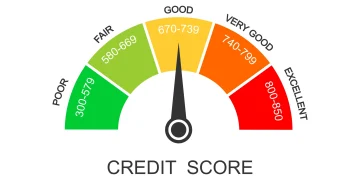
13. Not Protecting Your Credit Score
A good credit history may improve access to loans, mortgages, rental housing, and sometimes employment opportunities.
Late payments, excessive borrowing, and missed bills can reduce your creditworthiness.
Paying bills on time remains one of the simplest ways to maintain healthy credit.
14. Failing to Set Financial Goals
Money without direction tends to disappear.
Goals provide motivation.
Examples include:
- Buying a home
- Starting a business
- Building an emergency fund
- Paying off debt
- Saving for education
- Planning retirement
Clear goals help guide spending decisions.
15. Waiting for the “Perfect Time”
Many people postpone improving their finances because they believe they’ll start:
“When I earn more.”
“Next year.”
“After I pay this bill.”
Financial improvement usually begins with small, consistent actions rather than perfect circumstances.
Starting today often matters more than waiting for the perfect moment.
Practical Steps to Improve Your Financial Health
You don’t need to transform your finances overnight.
Small changes can produce meaningful long-term results.
Consider these practical habits:
- Create a monthly budget.
- Track every expense for one month.
- Build an emergency fund gradually.
- Reduce high-interest debt where possible.
- Automate savings.
- Continue learning about personal finance.
- Increase income through skills development where practical.
- Review insurance and banking costs periodically.
- Avoid unnecessary lifestyle inflation.
- Set realistic financial goals and review them regularly.
Common Misconceptions
“Rich people earn more.”
Many wealthy individuals also budget carefully, invest consistently, and avoid unnecessary debt.
“Investing is only for millionaires.”
Many investment platforms now allow people to begin with relatively small amounts, depending on local regulations and products.
“I’ll save when I earn more.”
Research consistently shows that saving habits often matter more than income alone.
Looking Ahead
Technology is changing personal finance.
Artificial intelligence, digital banking, budgeting apps, and automated investing are making financial management more accessible than ever.
However, the fundamentals remain unchanged:
Spend wisely.
Save consistently.
Invest carefully.
Avoid unnecessary debt.
Keep learning.
Conclusion
Financial success isn’t about perfection.
It’s about making better decisions more often than bad ones.
Everyone makes financial mistakes.
The important thing is recognizing them early and changing course.
Even small improvements—tracking spending, reducing unnecessary debt, saving regularly, and investing for the future—can significantly improve financial security over time.
Building wealth is usually a marathon, not a sprint.
Disclaimer: This article is for educational purposes only and should not be considered personalized financial or investment advice. Investment values can fluctuate, and financial decisions should take into account your individual circumstances. Consider consulting a qualified financial professional where appropriate.
Sources Consulted
- The Wall Street Journal – Personal Finance
- Kiplinger – Personal Finance
- Experian – Financial Education
- The Week – Personal Finance Books
- The Guardian – Personal Finance Advice
Read Also: How to Build Wealth from Your First Salary: A Practical Step-by-Step Guide