The 10-Year Treasury Note is one of the most important financial instruments in the global economy. Issued by the United States Department of the Treasury, it serves not only as a government borrowing tool but also as a critical benchmark influencing mortgage rates, corporate borrowing costs, bond markets, and investor sentiment worldwide.
In financial markets, few indicators receive as much attention as the yield on the 10-Year Treasury Note. Investors, economists, central banks, and policymakers monitor it closely because it reflects expectations about inflation, economic growth, interest rates, and market confidence.
The 10-Year Treasury Note is often considered one of the safest investments in the world because it is backed by the U.S. government. Yet despite its reputation for stability, its yield movements can significantly impact stock markets, housing markets, business lending, and global investment flows.
Understanding how the 10-Year Treasury Note works is essential for anyone interested in investing, macroeconomics, fixed-income securities, or financial markets.
What Is a 10-Year Treasury Note?
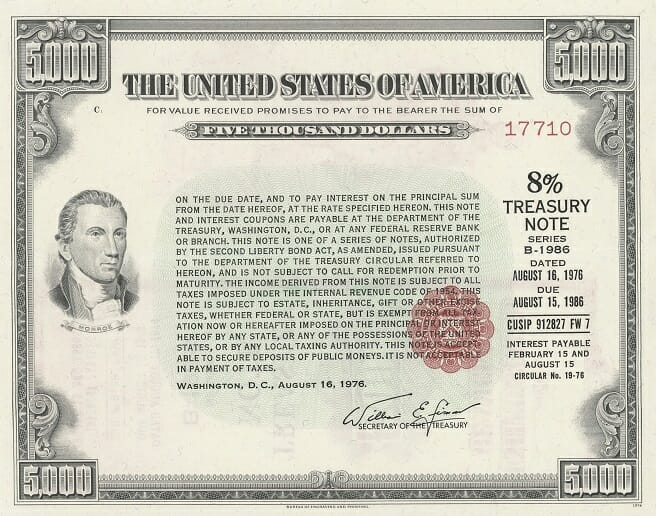
A 10-Year Treasury Note is a debt security issued by the U.S. government with a maturity period of 10 years.
When investors buy a Treasury note, they are effectively lending money to the government in exchange for:
- Regular interest payments
- Repayment of principal at maturity
The note pays interest at a fixed rate every six months until maturity.
At the end of the 10-year period, investors receive the full face value of the security.
How the 10-Year Treasury Note Works
The U.S. government finances part of its operations by issuing Treasury securities.
These securities fall into three primary categories:
| Treasury Security | Maturity Period |
|---|---|
| Treasury Bills (T-Bills) | One year or less |
| Treasury Notes (T-Notes) | Two to 10 years |
| Treasury Bonds (T-Bonds) | More than 10 years |
The 10-Year Treasury Note sits at the center of the Treasury market because it balances medium-term duration with relatively stable income generation.
Interest Payments and Maturity
The 10-Year Treasury Note pays fixed interest, known as the coupon rate, twice per year.
For example:
- Face value: $1,000
- Coupon rate: 4%
- Annual interest: $40
- Semiannual payments: $20 every six months
At maturity, the investor receives:
- Final interest payment
- Original $1,000 principal
Why the 10-Year Treasury Note Matters
The 10-Year Treasury Note is the most widely tracked government debt instrument in the world.
Its yield acts as a benchmark for many other financial products, including:
- Mortgage rates
- Corporate bonds
- Business loans
- Auto loans
- Government debt markets
- Global fixed-income pricing
Changes in the 10-year yield influence borrowing costs across the economy.
Understanding Treasury Yield
The yield represents the return investors earn from holding the Treasury note.
Treasury yields move inversely to prices.
When Treasury Prices Rise
- Investor demand increases
- Prices rise
- Yields fall
When Treasury Prices Fall
- Investor demand weakens
- Prices decline
- Yields rise
This inverse relationship is fundamental to bond market behavior.
Why Investors Watch the 10-Year Treasury Yield
The 10-year yield reflects investor expectations about:
- Inflation
- Economic growth
- Federal Reserve policy
- Recession risks
- Market stability
Because of this, financial media and analysts closely monitor yield movements.
A sharply rising yield may suggest:
- Strong economic growth
- Rising inflation expectations
- Higher future interest rates
A falling yield may indicate:
- Economic uncertainty
- Investor caution
- Slower growth expectations
- Increased demand for safe assets
The Federal Reserve and the 10-Year Treasury Note
Although the Federal Reserve does not directly set the 10-year Treasury yield, its monetary policy heavily influences it.
Interest Rate Hikes
When the Federal Reserve raises interest rates:
- Borrowing costs increase
- Treasury yields often rise
- Bond prices may decline
Interest Rate Cuts
When rates fall:
- Treasury yields often decline
- Existing bonds become more attractive
- Bond prices may rise
During periods of aggressive monetary tightening, Treasury yields can rise significantly.
Inflation and Treasury Yields
Inflation is one of the most important drivers of Treasury yields.
Investors demand higher yields when inflation rises because inflation reduces the purchasing power of future interest payments.
Example
If inflation reaches 5% while a Treasury note yields 3%, the investor effectively loses purchasing power over time.
As a result, inflation expectations strongly influence bond market pricing.
Why the 10-Year Treasury Note Is Considered Safe
Treasury securities are generally viewed as low-risk investments because they are backed by the U.S. government.
This makes them attractive during periods of:
- Economic uncertainty
- Stock market volatility
- Geopolitical tension
- Financial crises
Many investors consider Treasury notes “safe-haven assets.”
Advantages of Investing in a 10-Year Treasury Note
The 10-Year Treasury Note offers several important benefits.
Stability and Low Risk
Because the securities are government-backed, default risk is considered extremely low.
Predictable Income
Investors receive regular fixed interest payments.
Portfolio Diversification
Treasury notes often behave differently from stocks, helping diversify investment portfolios.
High Liquidity
Treasury securities are among the most actively traded financial instruments globally.
Tax Advantages
Interest earned is generally exempt from:
- State income taxes
- Local income taxes
However, federal taxes still apply.
No Minimum Holding Period
Investors do not need to hold Treasury notes until maturity.
They can sell them in secondary markets whenever needed.
Disadvantages of Investing in a 10-Year Treasury Note
Despite their safety, Treasury notes also carry risks.
Inflation Risk
Inflation can erode the real value of fixed interest payments.
Interest Rate Risk
If interest rates rise after purchase, existing Treasury notes may lose market value.
Lower Returns
Treasury notes usually offer lower returns compared to:
- Stocks
- Corporate bonds
- Real estate
- Higher-risk investments
Opportunity Cost
Investors may miss stronger gains elsewhere during bull markets.
10-Year Treasury Note vs Stocks
| Feature | 10-Year Treasury Note | Stocks |
|---|---|---|
| Risk Level | Lower | Higher |
| Income | Fixed interest | Dividends vary |
| Growth Potential | Limited | Higher |
| Volatility | Lower | Higher |
| Government Backing | Yes | No |
Treasury notes prioritize stability, while stocks generally focus more on growth potential.
How the 10-Year Treasury Note Impacts Mortgage Rates
Mortgage lenders often use the 10-year Treasury yield as a benchmark when pricing home loans.
When Treasury yields rise:
- Mortgage rates usually increase
- Borrowing becomes more expensive
- Housing demand may slow
When Treasury yields fall:
- Mortgage rates often decline
- Home financing becomes cheaper
This connection makes Treasury markets important even for consumers who never directly buy bonds.
How Investors Buy 10-Year Treasury Notes
Investors can purchase Treasury notes through several methods.
TreasuryDirect
The U.S. government sells securities directly through TreasuryDirect.
Banks and Brokers
Treasury notes can also be purchased through:
- Banks
- Brokerage firms
- Investment platforms
Secondary Market
Investors may buy and sell Treasury notes after issuance through bond markets.
When New 10-Year Treasury Notes Are Issued
New 10-year Treasury notes are typically issued during specific months:
- February
- May
- August
- November
The Treasury may reopen previous issues in other months.
Why Treasury Notes Matter During Economic Crises
During recessions or financial shocks, investors often move money into Treasury securities.
This phenomenon is known as a “flight to safety.”
Treasury demand tends to rise during:
- Stock market crashes
- Banking crises
- Geopolitical instability
- Economic downturns
As demand increases, yields generally fall.
Common Misconceptions About Treasury Notes
Treasury Notes Are Not Completely Risk-Free
Although default risk is low, investors still face inflation and interest rate risks.
Higher Yields Are Not Always Positive
Rising yields can indicate stronger growth, but they can also increase borrowing costs and pressure financial markets.
Treasury Prices Can Fall
If investors sell before maturity, they may experience capital losses.
Why This Matters
The 10-Year Treasury Note sits at the center of the global financial system. Its yield affects borrowing costs, investment decisions, stock valuations, and economic expectations worldwide.
Whether someone is investing in bonds, buying a home, analyzing financial markets, or studying macroeconomics, understanding the 10-Year Treasury Note is essential for understanding how modern finance operates.
Because Treasury yields influence nearly every corner of the economy, movements in the 10-year note often signal broader shifts in economic confidence, inflation expectations, and market conditions.
Frequently Asked Questions
What is a 10-Year Treasury Note?
A 10-Year Treasury Note is a U.S. government debt security that matures in 10 years and pays fixed interest every six months.
Why is the 10-Year Treasury Note important?
Its yield serves as a benchmark for mortgages, loans, corporate debt, and broader financial markets.
Is the 10-Year Treasury Note safe?
It is generally considered one of the safest investments because it is backed by the U.S. government.
How often does a 10-Year Treasury Note pay interest?
It pays fixed interest every six months until maturity.
Can investors sell Treasury notes before maturity?
Yes. Treasury notes can be traded freely in secondary markets.
What affects the 10-Year Treasury yield?
Major influences include inflation, Federal Reserve policy, investor confidence, and economic conditions.
How can investors buy 10-Year Treasury Notes?
They can purchase them through TreasuryDirect, banks, brokers, or secondary bond markets.
Key Takeaways
- The 10-Year Treasury Note is a major U.S. government debt security
- It pays fixed interest twice yearly and matures in 10 years
- Its yield is a critical benchmark in global finance
- Treasury yields strongly influence mortgage and borrowing rates
- The securities are considered low-risk investments
- Inflation and interest rate changes significantly affect bond prices
- Treasury notes help diversify investment portfolios
- Investors can buy and sell Treasury notes before maturity
Conclusion
The 10-Year Treasury Note remains one of the most influential financial instruments in the world because it shapes interest rates, investment behavior, and economic expectations across global markets.
For investors, it offers stability, predictable income, and portfolio diversification. For policymakers and economists, it serves as a key indicator of market confidence, inflation expectations, and future economic conditions.
Although Treasury notes generally provide lower returns than riskier investments, their importance in the financial system makes them essential tools for both institutional and individual investors seeking safety, liquidity, and long-term financial stability.
Read Also: Microfinance in Kenya