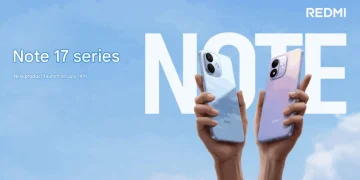
In a bold move to improve device longevity and user experience, Xiaomi has officially extended its software update policy to six years for a range of smartphones and tablets. This includes not just flagships but also mid-range and budget models, setting a new industry benchmark for Android support.
📱 Flagship Smartphones with 6-Year Support
These top-tier models will receive updates until March 1, 2031:
- Xiaomi 15 Ultra
- Xiaomi 15
- POCO F7 Pro – Updates until March 27, 2031
- POCO F7 Ultra – Updates until March 27, 2031
📲 Mid-Range & Budget Phones Included
Xiaomi is also expanding its commitment to more affordable devices:
- Redmi Note 14 5G – Support until March 1, 2031
- Redmi Note 14 Pro 5G – Support until January 30, 2029
- Redmi Note 14 Pro (standard) – Support until January 15, 2029
- POCO X7 – Support until January 30, 2029
- POCO X7 Pro – Support until January 7, 2029
💻 Tablet Models Also Covered
Even Xiaomi’s tablets benefit from this extended update window:
- Xiaomi Pad 7 – Updates until March 2028
- Xiaomi Pad 7 Pro – Updates until March 2028
💡 Why This Matters
This six-year support policy signals a major shift, especially for budget-conscious users who often get left behind when it comes to Android updates. Xiaomi’s move challenges the industry standard and places pressure on competitors like Samsung and Google, who currently offer five to seven years of support mostly for high-end models.
By including popular budget series like the Redmi Note 14 and POCO X7, Xiaomi is making a strong statement: long-term software support shouldn’t be a premium-only feature.
🛠️ What to Expect
The extended support will include:
- Security updates
- Android OS upgrades
- MIUI/HyperOS enhancements
This policy ensures better performance, security, and value retention for Xiaomi devices well beyond the typical 2–3 year window offered by many Android brands.
Conclusion:
Xiaomi is raising the bar for software longevity. Whether you’re using a premium flagship or a budget-friendly Redmi, six years of updates is a win for everyone—and a challenge to the rest of the Android ecosystem.