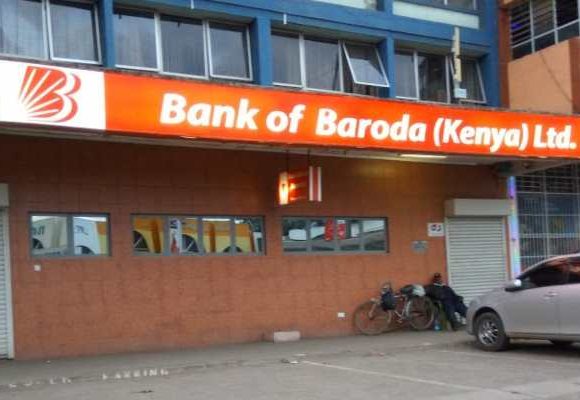
When it comes to banks in Kenya, names like Equity, KCB, Co-operative, and Absa immediately come to mind. But then there’s Bank of Baroda Kenya, a financial institution that sparks curiosity for one simple reason: who actually banks with them?
Many Kenyans rarely encounter advertisements from this Indian-owned bank. Its branches often appear quiet compared to the busy halls of local competitors. For some, it even feels like Bank of Baroda operates under the radar, leaving the public wondering about its clientele and market presence.
One user shared an experience that captures this mystery. While in college, he and his friends once visited a Baroda branch to exchange a small foreign currency note—barely worth 500 shillings. The teller was so puzzled by the unusual transaction that she reportedly called security to escort them out. The incident raised laughter, but it also highlighted how unfamiliar the bank seems to ordinary Kenyans.
So, why does Bank of Baroda remain relatively invisible in the Kenyan financial landscape?
Understanding Bank of Baroda’s Position in Kenya
Bank of Baroda is not a small or struggling bank. In fact, it is part of Bank of Baroda India, one of the largest international banks with a presence in over 20 countries. In Kenya, it has been operating since 1953 and is regulated by the Central Bank of Kenya.
However, its strategy differs from mainstream Kenyan banks. Instead of aggressively targeting mass retail customers with flashy ads and mobile apps, Bank of Baroda Kenya focuses on niche markets, including:
- Indian diaspora communities with long-standing ties to the bank.
- Corporate clients engaged in trade, manufacturing, and imports.
- Customers needing specialized services like international remittances, foreign currency accounts, and trade finance.
This could explain why ordinary Kenyans rarely come across its services or advertisements.
Why Don’t We Hear Much About Bank of Baroda Kenya?
- Limited Marketing: Unlike Equity or KCB, the bank invests less in mass-market advertising.
- Targeted Clientele: Its main clients are businesses and individuals with specific international banking needs.
- Small Branch Network: With fewer branches compared to local giants, visibility is naturally lower.
- Niche Services: Focus on trade finance and foreign exchange makes it less relevant to everyday banking customers.
So, Who Really Banks with Them?
While many Kenyans might not know anyone personally banking with Baroda, the institution quietly serves:
- Business owners dealing with imports and exports.
- Indian-Kenyan families with historic ties to the bank.
- Corporate clients requiring international banking solutions.
- High-value clients preferring discretion over mainstream popularity.
In short, Bank of Baroda may not be popular on the streets, but it has carved out a solid niche that sustains its operations in Kenya.
Final Thoughts
The question, “Who banks with Bank of Baroda in Kenya?” is both humorous and insightful. While everyday Kenyans rarely interact with it, the bank remains an important financial player in specialized markets. Its quiet presence doesn’t mean insignificance—it simply reflects a different business strategy.
Perhaps in time, as competition grows, Bank of Baroda Kenya might choose to expand its retail offerings and increase visibility. Until then, its branches will likely remain calm, serving a select clientele behind the scenes.