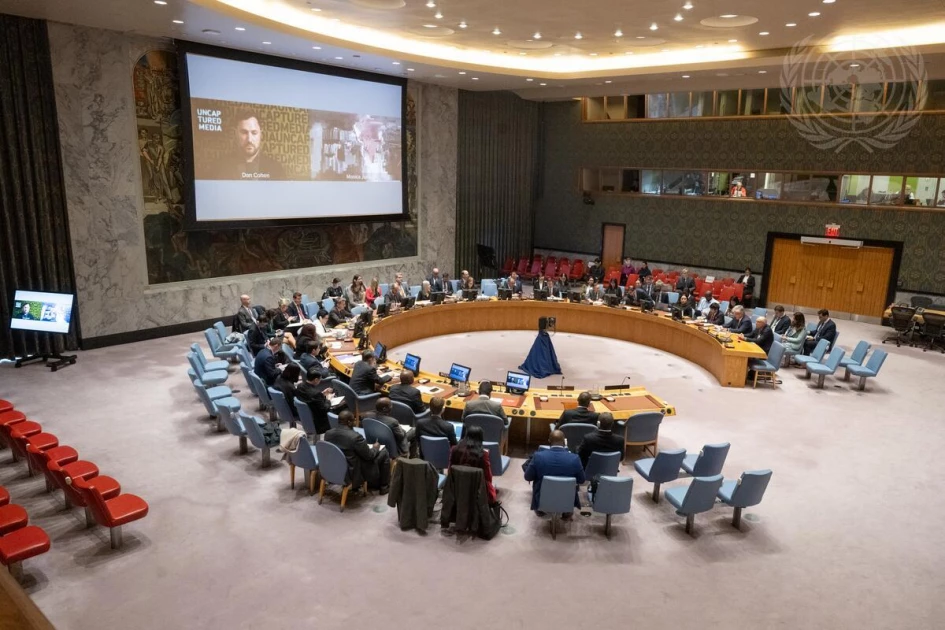
The UN Security Council is scheduled to vote on Monday regarding a pivotal resolution that could shape the future of Gaza. The US-drafted resolution aims to establish a Gaza peacekeeping force, deploying an International Stabilization Force (ISF) to help secure the Gaza Strip and work with Israel and Egypt to rebuild the war-torn region.
A Fragile Ceasefire and the Need for Stability
Following intense negotiations, the resolution, which has been revised multiple times, offers strong backing for former US President Donald Trump’s Gaza peace plan. This plan, which led to a fragile ceasefire between Israel and Hamas in October 2023, seeks to bring lasting peace to the region. The situation in Gaza has deteriorated significantly since Hamas’ attack on Israel in October 2023, resulting in massive destruction and loss of life.
The latest version of the resolution also endorses the creation of a transitional governing body for Gaza, known as the “Board of Peace.” This board would theoretically be led by Trump until 2027, overseeing reconstruction efforts and working toward establishing a more stable political situation in Gaza.
International Stabilization Force (ISF)
A major component of the resolution is the deployment of the ISF. This international peacekeeping force would collaborate with Israel, Egypt, and newly trained Palestinian police forces to manage security along the Gaza border, demilitarize the region, and safeguard humanitarian aid corridors. It also mandates the permanent disarmament of non-state armed groups in Gaza, aiming to secure the region for both civilians and international aid organizations.
A Path to Palestinian Self-Determination?
For the first time, the resolution acknowledges the potential for a Palestinian state, but this would depend on the Palestinian Authority’s reforms and progress in rebuilding Gaza. This aspect has been controversial, with Israeli Prime Minister Benjamin Netanyahu firmly rejecting the idea of a Palestinian state. The UN resolution, however, presents the creation of a Palestinian state as a possible future outcome if conditions improve and self-determination becomes viable.
Russia’s Objections and Competing Proposals
While the US resolution has garnered support from multiple Arab and Muslim-majority nations, Russia has circulated its own competing draft. Moscow’s version calls for a stronger commitment to a two-state solution and opposes the immediate deployment of the ISF, instead asking UN Secretary-General Antonio Guterres to provide options for future peacekeeping actions. Russia’s text does not authorize the creation of a “Board of Peace” and refrains from endorsing a Palestinian state at this time.
Despite these differences, analysts expect the US resolution to pass, even as Russia and other skeptical members may abstain from the vote. The US has been actively working to secure support, emphasizing the urgent need for action to prevent further violence in the region.
A Divided Security Council
The debate within the Security Council highlights the complexity of the situation in Gaza. While the US seeks swift action to stabilize the region, Russia and other countries express concerns over the plan’s potential to exacerbate tensions. Despite Russia’s objections, diplomats predict that the US draft will likely secure approval, driven by the support of key Arab nations.
As the UN Security Council prepares for its vote, all eyes are on the resolution’s impact on the future of Gaza and the broader Israeli-Palestinian conflict. The vote could mark a critical turning point in the efforts to secure long-term peace and stability for the region.