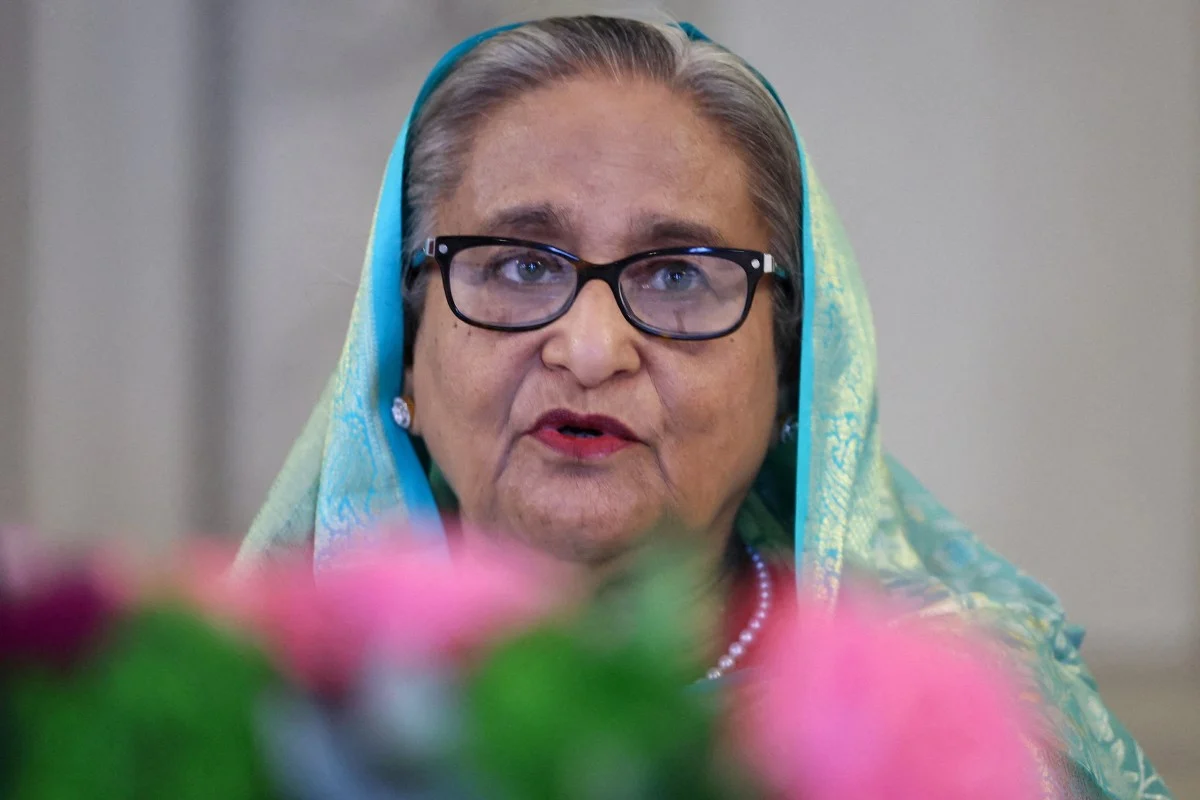
A Bangladesh court has convicted former prime minister Sheikh Hasina of crimes against humanity, marking a significant legal development in the aftermath of last year’s deadly student-led uprising. Hasina, tried in absentia, was found guilty of orchestrating a violent crackdown that led to the deaths of hundreds of protesters.
The Crackdown and the Charges
Hasina and former home minister Asaduzzaman Khan were accused of ordering the crackdown during the uprising in July and August 2024. According to the United Nations, up to 1,400 people may have been killed in the violence, with over 800 confirmed dead and about 14,000 others injured, as reported by the country’s interim health adviser.
The tribunal charged Hasina and Khan with crimes against humanity for their roles in the killings. The prosecution had sought the death penalty for both men. A third suspect, a former police chief, became a state witness after pleading guilty, but no penalty was recommended for him.
Security Measures and Political Reactions
Following the conviction, tensions escalated across Bangladesh. The interim government, led by Nobel Peace Prize laureate Muhammad Yunus, strengthened security in Dhaka and other major cities. Paramilitary forces and police were deployed to maintain order as Hasina’s Awami League party called for a nationwide shutdown to protest the verdict. The party labeled the trial a “kangaroo court.”
Hasina, who was ousted from power on August 5, 2024, fled to India after her removal. Yunus took over as head of the interim government three days later, vowing to hold Hasina accountable for the violence and banning the activities of her Awami League party.
A Divisive Trial and Growing Tensions
The trial of Hasina and Khan has sparked intense debate within Bangladesh. Supporters of the former prime minister have condemned the verdict, viewing it as politically motivated. Meanwhile, her critics argue that justice has finally been served for the lives lost during the crackdown.
The ruling is likely to have significant political ramifications, as Hasina’s Awami League party remains influential despite being banned by the interim government. As protests continue, the international community is closely monitoring the situation, concerned about the stability of Bangladesh’s political landscape.