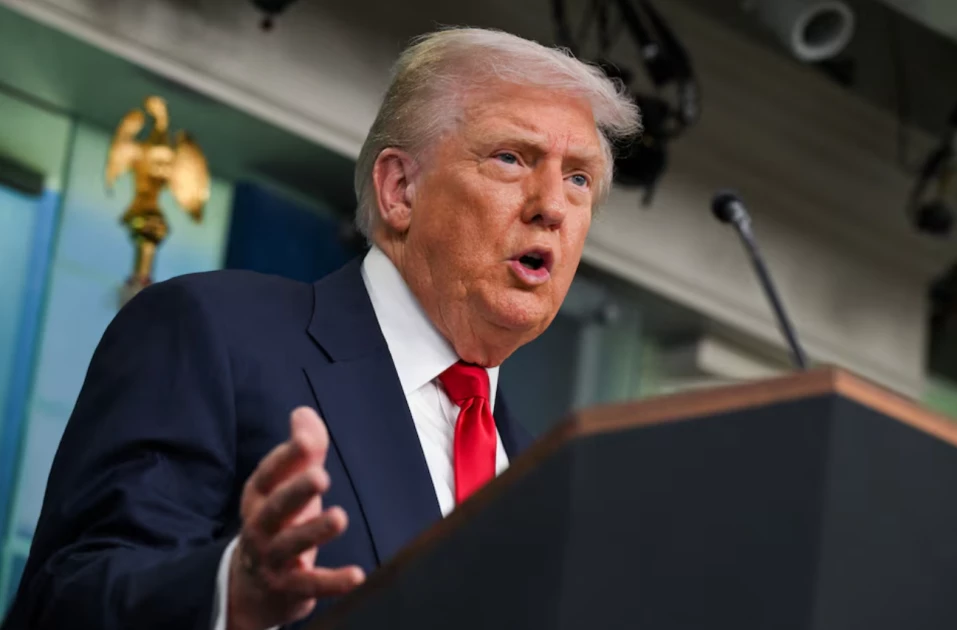
President Donald Trump has sharply cut ties with Rep. Marjorie Taylor Greene, ending one of the most visible political alliances in MAGA-world and signaling a major split inside the Republican Party ahead of next year’s midterm elections. In a series of statements, Trump accused the Georgia congresswoman of drifting from conservative priorities and announced he would support a primary challenger if the right candidate emerges.
Trump Says Greene Has Gone “Far Left”
The break unfolded across multiple platforms on Friday, with Trump publicly dismissing Greene as “Wacky Marjorie” and criticizing what he described as her constant complaints about Republican leadership. Trump said Greene had become increasingly difficult to work with, adding that she had grown frustrated that he no longer returned her calls.
The dispute reflects a months-long cooling of a relationship once defined by Greene’s unwavering support. The congresswoman was a fixture of Trump’s early rallies, a direct link to conservative activists on Capitol Hill, and a symbolic figure in the MAGA movement. But Trump now says she has abandoned her conservative reputation and shifted toward what he called “Far Left” positions.
Greene Pushes Back and Accuses Trump of Lying
Greene responded forcefully on X, claiming Trump had attacked and misrepresented her. She posted what she said was a text message urging Trump to release the Jeffrey Epstein files, asserting that this request triggered his outburst. Greene suggested Trump was resisting efforts to disclose the sensitive documents, a vote on which is expected next week in the U.S. House.
She said her support for Trump over the years had been extensive, costly, and often unmatched by other Republicans, yet she emphasized she does not serve or worship him. Greene characterized Trump’s reaction as both personal and politically motivated.
Long-Simmering GOP Tensions Come to the Surface
The fallout follows several recent disagreements. Greene criticized Republican leaders during the federal government shutdown and urged the party to propose concrete solutions for Americans losing access to subsidized health insurance. She also faulted Trump for focusing heavily on foreign policy while inflation and domestic economic concerns persist.
Trump defended his diplomacy, arguing that recent actions, including a visit to China to meet President Xi Jinping, were connected to protecting American jobs. He claimed Greene’s criticisms were misguided and said donors, activists, and other political figures have encouraged him to back a challenger in her district.
Signs of Greene’s Political Repositioning
Greene’s shift in tone has been apparent for months. She declined to run for the U.S. Senate, questioned the party’s internal decision-making, and provided support to commentators such as Tucker Carlson even when their positions clashed with Trump’s. She also suggested broader political ambitions, noting during a podcast appearance that she disliked politics but wanted to fix national problems, raising speculation about her long-term plans.
Her recent appearances on mainstream media platforms, including HBO’s Real Time with Bill Maher and ABC’s The View, further fueled speculation about a strategic pivot. Some commentators said she appeared more measured than usual, prompting remarks that she seemed like a different version of herself.
A Defining Moment for the GOP
The public break between Trump and Greene marks a significant shift inside the Republican Party. Greene built her reputation on fierce loyalty to Trump, becoming one of his top defenders in Congress. Now, the clash reflects wider divisions within the GOP as it navigates voter concerns over inflation, foreign policy, and internal leadership.
The dispute also has electoral implications. Greene faces reelection in 2026, and Trump’s vow to endorse a challenger could reshape Georgia’s political landscape. With the party heading into a high-stakes election cycle, the fracture underscores the uncertain balance of power within the Republican coalition.