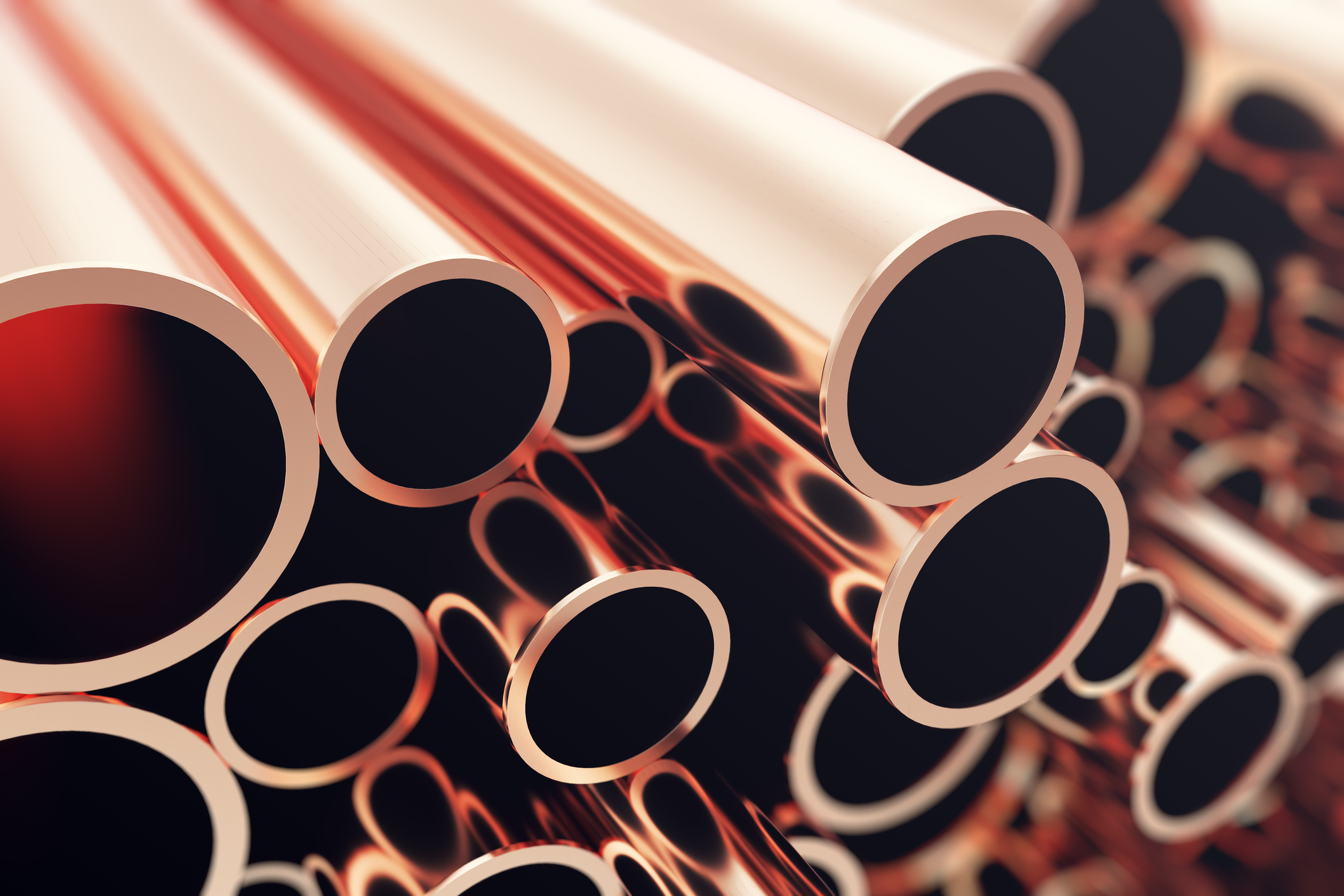
Most traded commodities include energy products, precious metals, industrial metals, and agricultural goods that support the global economy. Crude oil fuels transport. Natural gas powers homes and industries. Gold protects wealth during uncertainty. Copper supports construction and electrification. Coffee, sugar, cocoa, and cotton connect financial markets to agriculture, weather, and global consumer demand.
Commodities are different from stocks because they represent basic goods rather than ownership in a company. When a trader buys Apple shares, they speculate on one company. When a trader buys crude oil, gold, or copper, they speculate on a wider market affected by supply, demand, geopolitics, weather, inventories, currencies, and economic growth.
The most traded commodities attract producers, manufacturers, banks, hedge funds, governments, exporters, importers, and retail traders. These markets matter because they influence inflation, fuel prices, electricity costs, transport costs, food prices, and manufacturing expenses.
For traders, commodities can provide opportunity. However, they also carry serious risk. Prices can move sharply after weather updates, inventory reports, central bank decisions, wars, sanctions, or unexpected supply disruptions. That is why every commodity trader needs a clear plan, proper risk management, and a strong understanding of each market.
What Are Commodities?
Commodities are basic goods or raw materials that can be bought, sold, exchanged, stored, consumed, or used to produce other goods.
Examples include crude oil, natural gas, gold, silver, copper, coffee, sugar, cocoa, cotton, wheat, corn, soybeans, and livestock.
Most commodities are fungible. This means one unit of the same grade can be exchanged for another unit of the same grade. For example, one barrel of a specific crude oil grade can be treated as equal to another barrel of the same grade. This standardisation makes exchange trading easier.
Commodities are often divided into four main groups.
| Commodity Type | Examples | Main Use |
|---|---|---|
| Energy | Brent crude, WTI crude, natural gas | Fuel, heating, electricity, transport |
| Precious metals | Gold, silver | Investment, jewellery, electronics |
| Industrial metals | Copper, aluminium, nickel | Construction, wiring, machinery |
| Agriculture | Coffee, sugar, cocoa, cotton, wheat | Food, clothing, manufacturing |
These categories help traders understand what drives each market. Oil does not move for the same reasons as coffee. Gold does not behave like cotton. Copper has different drivers from cocoa.
Why Most Traded Commodities Matter
Most traded commodities matter because they sit at the centre of the real economy.
Oil prices affect fuel costs, airline expenses, shipping rates, plastics, chemicals, and inflation. Natural gas prices influence electricity, heating, industrial production, and fertiliser costs. Copper prices can signal construction demand and industrial growth. Gold often reflects fear, inflation expectations, interest rates, and demand for safe-haven assets.
Agricultural commodities also matter. Coffee prices can rise after drought or frost in key producing countries. Sugar prices may move because of crop conditions, ethanol demand, or export policy. Cocoa can surge when West African harvests disappoint. Cotton can weaken when textile demand falls.
This is why commodity markets are watched by more than traders. Governments monitor them. Central banks study them. Businesses hedge them. Consumers feel them through fuel, food, transport, electricity, and clothing prices.
How Are Commodities Traded?
Commodities can be traded in several ways. Each method has different risks.
Futures Contracts
Futures contracts are standardised agreements to buy or sell a commodity at a future date. They trade on regulated exchanges.
A crude oil futures contract, for example, represents a specific quantity of oil. A gold futures contract represents a specific quantity of gold. These contracts are used by producers, consumers, hedgers, and speculators.
Futures are powerful but risky. They involve contract sizes, margin requirements, expiry dates, tick values, and sometimes physical delivery rules. Beginners should understand these details before trading.
Spot Trading
Spot trading refers to buying or selling a commodity at the current market price for near-term delivery. Spot prices are important because they reflect current supply and demand.
Gold spot prices, crude oil spot prices, and natural gas spot prices are widely watched by traders and investors.
CFDs
Contracts for difference allow traders to speculate on price movements without owning the physical commodity. CFDs are common in some regions, but they involve leverage. Leverage can increase profits, but it can also magnify losses.
ETFs and Commodity Stocks
Some traders use exchange-traded funds or shares of commodity-related companies. For example, a trader may buy a gold ETF, an oil ETF, or shares in a mining company.
However, company shares are not the same as the commodity itself. A gold miner can fall even when gold rises if the company has poor management, high debt, rising costs, or production problems.
Top 10 Most Traded Commodities
The most traded commodities usually include energy products, metals, and key agricultural goods. Rankings can change depending on whether the measurement is based on futures volume, physical trade, notional value, or benchmark importance.
Still, the following ten commodities are among the most important and actively traded in global markets.
1. Brent Crude Oil
Brent crude oil is one of the world’s most important oil benchmarks. It is extracted from the North Sea and is widely used to price crude oil in Europe, Africa, the Middle East, and parts of Asia.
Brent is mainly refined into petrol, diesel, jet fuel, heating oil, and petrochemical products. Because these products are essential to transport and industry, Brent prices have a major influence on inflation and global business costs.
What Moves Brent Crude Prices?
Brent crude prices are affected by:
- OPEC+ production decisions
- Global demand expectations
- Middle East tensions
- Shipping disruptions
- Refinery demand
- Oil inventory data
- U.S. dollar strength
- Global recession fears
- Sanctions and export restrictions
When supply becomes tight, Brent prices often rise. When demand weakens or supply increases, prices can fall.
Brent Crude Trading Example
Assume Brent crude trades at $85 per barrel. A trader believes the price may rise because inventories are falling and geopolitical risk is increasing.
The trader creates this plan:
| Item | Example |
| Entry | Buy Brent at $85 |
| Stop-loss | $83 |
| Take-profit | $89 |
| Risk | $2 per barrel |
| Reward | $4 per barrel |
| Risk-reward ratio | 1:2 |
This plan does not guarantee profit. It simply defines the risk and target before entry.
Key Risk
Oil can reverse quickly. A ceasefire, surprise production increase, weak demand report, or stronger U.S. dollar can pressure prices.
2. WTI Crude Oil
WTI stands for West Texas Intermediate. It is the main U.S. crude oil benchmark and is traded heavily on NYMEX.
WTI is known as a light, sweet crude oil. “Light” means it has a lower density. “Sweet” means it has lower sulphur content. Lower sulphur makes it easier and cheaper to refine.
Brent vs WTI
| Feature | Brent Crude | WTI Crude |
| Main region | North Sea and global markets | United States |
| Main exchange | ICE | NYMEX |
| Pricing role | Global oil benchmark | U.S. oil benchmark |
| Key drivers | Global supply, geopolitics, OPEC+ | U.S. inventories, shale output, refinery demand |
The price difference between Brent and WTI is called the Brent-WTI spread. This spread changes because of transport costs, U.S. production levels, storage conditions, global demand, and regional supply issues.
What Moves WTI Prices?
WTI prices are affected by:
- U.S. crude inventories
- U.S. shale production
- Refinery activity
- Pipeline capacity
- Domestic demand
- Export demand
- U.S. economic data
- Weather disruptions
Key Risk
WTI can move sharply after weekly inventory reports. If inventories rise more than expected, prices may fall. If inventories drop sharply, prices may rise.
3. Natural Gas
Natural gas is an energy commodity used for heating, cooking, electricity generation, industrial production, and fertiliser manufacturing.
It is one of the most volatile major commodities because demand can change quickly with weather. A colder winter can increase heating demand. A hotter summer can increase electricity demand for air conditioning.
What Moves Natural Gas Prices?
Natural gas prices are affected by:
- Weather forecasts
- Storage levels
- LNG exports
- Pipeline flows
- Production levels
- Power generation demand
- Seasonal heating and cooling demand
- Industrial consumption
Natural Gas Trading Example
Assume storage levels are below average and weather forecasts show a colder-than-normal winter. A trader may expect natural gas demand to rise.
However, the trader must still manage risk. Weather forecasts can change quickly. A warmer forecast can push prices down within hours.
Key Risk
Natural gas is highly sensitive to weather model updates. Traders who use large positions can lose quickly when forecasts change.
4. Gold
Gold is one of the most recognised commodities in the world. It is used in jewellery, electronics, investment products, and central bank reserves.
Gold is often viewed as a safe-haven asset. Investors may buy it during periods of inflation, financial stress, currency weakness, or geopolitical uncertainty.
What Moves Gold Prices?
Gold prices are affected by:
- Interest rate expectations
- Inflation expectations
- Central bank policy
- U.S. dollar strength
- Real yields
- Geopolitical risk
- Central bank gold buying
- Investor sentiment
Gold does not pay interest. Because of this, higher interest rates can make gold less attractive. Lower interest rates can support gold because the opportunity cost of holding it falls.
Gold Trading Example
Assume gold breaks above a major resistance level after weak U.S. economic data. Traders may expect the Federal Reserve to cut rates sooner, which could support gold.
A possible plan:
| Item | Example |
| Entry | Buy after breakout confirmation |
| Stop-loss | Below the breakout level |
| Take-profit | Next resistance zone |
| Risk | 1% of account |
| Confirmation | Weaker dollar and lower yields |
Key Risk
Gold can be volatile during inflation reports, Federal Reserve meetings, and major geopolitical headlines.
5. Silver
Silver is both a precious metal and an industrial metal. It is used in jewellery, coins, electronics, solar panels, batteries, photography, and industrial applications.
Silver often follows gold, but it can move more sharply. This is because the silver market is smaller and industrial demand plays a bigger role.
Silver vs Gold
| Feature | Gold | Silver |
| Main role | Safe-haven and investment asset | Precious and industrial metal |
| Volatility | Usually lower | Often higher |
| Industrial demand | Lower | Higher |
| Market size | Larger | Smaller |
What Moves Silver Prices?
Silver prices are affected by:
- Gold price movement
- Industrial demand
- Solar panel demand
- U.S. dollar strength
- Interest rate expectations
- Investor demand
- Mine supply
Key Risk
Silver can rise quickly during precious metal rallies. It can also fall sharply when industrial demand weakens or the U.S. dollar strengthens.
6. Copper
Copper is an industrial metal used in electrical wiring, construction, transport, electronics, machinery, and renewable energy infrastructure.
It is often called “Dr. Copper” because traders use it as a rough signal of global economic health. When manufacturing, construction, and infrastructure demand improve, copper often benefits. When growth slows, copper can weaken.
What Moves Copper Prices?
Copper prices are affected by:
- Chinese industrial demand
- Construction activity
- Mine supply disruptions
- Renewable energy investment
- Electric vehicle demand
- Global manufacturing data
- Exchange inventories
- U.S. dollar movement
Copper Trading Example
Assume China announces new infrastructure spending. Traders may expect higher demand for copper because construction and power projects require wiring and industrial materials.
However, copper can still fall if global manufacturing data weakens or if the U.S. dollar rises sharply.
Key Risk
Copper is sensitive to global growth expectations. A slowdown in China, Europe, or the United States can pressure prices.
7. Coffee
Coffee is one of the most important agricultural commodities. It is grown mainly in countries such as Brazil, Vietnam, Colombia, Indonesia, and Ethiopia.
There are two major types of coffee traded globally: Arabica and Robusta.
| Coffee Type | Common Use | Key Regions |
| Arabica | Premium coffee and café products | Brazil, Colombia, Ethiopia |
| Robusta | Instant coffee and blends | Vietnam, Indonesia |
What Moves Coffee Prices?
Coffee prices are affected by:
- Frost in Brazil
- Drought
- Rainfall patterns
- Crop disease
- Shipping costs
- Currency movements
- Labour costs
- Consumer demand
Coffee Trading Example
If Brazil experiences frost during a key growing period, traders may expect lower supply. This can push coffee prices higher.
However, if later weather improves or demand weakens, prices may reverse.
Key Risk
Coffee can gap after weather news. Agricultural traders must consider overnight and weekend risk.
8. Sugar
Sugar is produced from sugarcane and sugar beet. It is used in food, drinks, processed products, and ethanol production.
Brazil, India, Thailand, China, and the European Union are important sugar producers.
What Moves Sugar Prices?
Sugar prices are affected by:
- Brazil’s sugarcane crop
- Indian export policy
- Ethanol demand
- Weather conditions
- Currency movements
- Global food demand
- Production costs
Brazil is especially important because sugarcane can be used for either sugar or ethanol. If ethanol prices become attractive, mills may produce more ethanol and less sugar. This can reduce sugar supply and support prices.
Key Risk
Government policy can move sugar prices quickly. Export restrictions, subsidies, and biofuel rules can change supply expectations.
9. Cocoa
Cocoa is the main ingredient in chocolate. It is also used to produce cocoa butter, which appears in cosmetics, food products, and skincare items.
Cocoa grows best in wet tropical climates. Major producing regions include West Africa, Indonesia, and parts of Latin America.
What Moves Cocoa Prices?
Cocoa prices are affected by:
- Rainfall
- Crop disease
- Political stability
- Labour conditions
- Export logistics
- Chocolate demand
- Currency movements
- Farmgate pricing
- Port delays
Cocoa supply is concentrated in a few regions. This makes the market sensitive to local disruptions.
Cocoa Trading Example
If poor weather damages crops in West Africa, traders may expect tighter supply. Cocoa prices can rise sharply when weak production meets steady chocolate demand.
Key Risk
Cocoa can be highly volatile when harvest problems continue for several seasons. Traders should avoid assuming soft commodities always move slowly.
10. Cotton
Cotton is a soft agricultural commodity used in clothing, textiles, household products, industrial materials, livestock feed, and cottonseed oil.
It is a classic example of a commodity because it is a raw good used across many industries.
What Moves Cotton Prices?
Cotton prices are affected by:
- Weather in producing countries
- Textile demand
- Chinese imports
- U.S. crop conditions
- Energy prices
- Shipping costs
- Currency movements
- Consumer spending
Cotton is closely linked to the textile industry. If clothing demand falls, cotton prices can weaken. If crop conditions worsen while demand remains firm, prices can rise.
Key Risk
Cotton depends on both agricultural supply and consumer demand. This makes it sensitive to weather and retail conditions.
Comparison Table of the Most Traded Commodities
| Rank | Commodity | Category | Main Price Drivers |
| 1 | Brent crude oil | Energy | Global supply, OPEC+, geopolitics |
| 2 | WTI crude oil | Energy | U.S. inventories, shale output |
| 3 | Natural gas | Energy | Weather, storage, LNG demand |
| 4 | Gold | Precious metal | Rates, inflation, safe-haven demand |
| 5 | Silver | Precious and industrial metal | Gold trend, industry, investment demand |
| 6 | Copper | Industrial metal | China, construction, electrification |
| 7 | Coffee | Agriculture | Weather, crops, consumer demand |
| 8 | Sugar | Agriculture | Brazil, India, ethanol, weather |
| 9 | Cocoa | Agriculture | West Africa supply, chocolate demand |
| 10 | Cotton | Agriculture | Weather, textiles, China demand |
What Moves Commodity Prices?
Commodity prices are mainly driven by supply and demand. However, several forces shape that balance.
Supply Shocks
Supply shocks happen when production or transport is disrupted. Examples include drought, war, sanctions, hurricanes, strikes, pipeline damage, mine closures, and port delays.
When supply falls and demand remains steady, prices often rise.
Demand Changes
Demand rises and falls with economic activity. Strong transport demand can support oil. Strong construction demand can support copper. Weak consumer spending can hurt cotton.
Currency Movements
Most major commodities are priced in U.S. dollars. When the dollar strengthens, commodities can become more expensive for buyers using other currencies. This can pressure demand.
When the dollar weakens, commodities may become more attractive to foreign buyers.
Interest Rates
Interest rates affect commodities in different ways. Higher rates can pressure gold because gold does not pay interest. Higher rates can also slow economic growth, which may reduce demand for industrial commodities.
Inventories
Inventory data shows whether supply is tight or abundant. Low inventories can support prices. High inventories can weigh on prices.
Oil, gas, copper, and some agricultural markets often react strongly to inventory reports.
How Beginners Can Analyse Commodities
Beginners should avoid jumping into every market at once. Each commodity behaves differently.
Start With One Market
Choose one or two commodities and study them deeply. For example, a beginner may start with gold and crude oil before moving to coffee, cocoa, or natural gas.
Learn the Main Driver
Every commodity has a main driver.
Gold traders watch interest rates and the dollar. Oil traders watch supply, demand, inventories, and geopolitics. Coffee traders watch weather and crop reports. Copper traders watch global growth and Chinese demand.
Check the Market Condition
Ask whether the market is trending, ranging, breaking out, or reacting to news. A trend strategy may fail in a choppy market. A range strategy may fail during a strong breakout.
Use a Trading Plan
Before entering, define:
- Entry price
- Stop-loss
- Target
- Position size
- Risk per trade
- Reason for the trade
- Exit rule if the idea fails
A trading plan helps reduce emotional decisions.
Example Commodity Trading Plan
Here is a simple educational example using gold.
| Step | Trading Decision |
| Market | Gold |
| Reason | Price breaks above resistance after weak dollar data |
| Entry | Buy after candle closes above resistance |
| Stop-loss | Below the breakout level |
| Target | Next resistance zone |
| Risk | 1% of account |
| Exit if wrong | Price closes back below breakout |
This example does not predict what gold will do. It only shows how traders can create structure before entering a position.
Advantages of Trading Commodities
Diversification
Commodities can behave differently from stocks, bonds, and currencies. This gives traders more markets to watch.
Strong Fundamental Drivers
Many commodities have clear drivers. Oil responds to supply and demand. Gold responds to rates and risk sentiment. Coffee responds to weather and harvest conditions.
High Liquidity in Major Markets
Major commodities such as crude oil, gold, natural gas, and copper attract large trading volume. This can help reduce spreads in liquid market conditions.
Inflation Sensitivity
Commodities often react to inflation expectations. This makes them important during periods of rising prices.
Disadvantages and Risks of Trading Commodities
High Volatility
Commodity prices can move sharply. Energy and agricultural markets can react fast to weather, war, sanctions, and inventory data.
Leverage Risk
Futures and CFDs often involve leverage. Leverage can increase profits, but it can also magnify losses.
Contract Complexity
Commodity futures have expiry dates, margin requirements, tick values, and contract sizes. Beginners must understand these details before trading.
Overnight and Weekend Risk
Commodities can gap after weekend news, weather forecasts, or geopolitical developments. A stop-loss may not always execute at the exact expected price.
Policy Risk
Governments can change export rules, import rules, subsidies, sanctions, tariffs, or production policies. These changes can affect supply and demand quickly.
Common Mistakes Commodity Traders Make
Trading Without Knowing the Commodity
A trader should not trade cocoa with the same mindset used for gold. Each commodity has unique drivers.
Ignoring the U.S. Dollar
Because many commodities are priced in dollars, dollar strength or weakness can affect prices.
Using Too Much Leverage
Large positions can turn normal price movement into major losses. Beginners should keep risk small.
Chasing News After the Move
When a headline becomes obvious, the market may have already priced it in. Late entries often have poor risk-reward.
Ignoring Contract Size
A futures contract can represent a large quantity of the underlying commodity. Not understanding contract size can lead to unexpected risk.
Trading Without a Stop-Loss
A stop-loss helps define when the trade idea is wrong. Trading without one can expose the account to large losses.
Best Practices for Trading Most Traded Commodities
Start with a small watchlist. Learn each market’s drivers before trading real money.
Use a written plan. Know your entry, stop-loss, target, and risk before opening a trade.
Check the economic calendar. Commodity prices can move around inventory data, central bank decisions, inflation reports, employment data, and policy announcements.
Respect volatility. Natural gas, cocoa, and oil can move aggressively. Gold and silver can also become volatile during major macro events.
Keep a trading journal. Record why you entered, where you exited, what went right, and what you should improve.
Most importantly, control risk. A strong market opinion is not enough. Commodity trading rewards discipline more than prediction.
Key Takeaways
- Most traded commodities include energy, metals, and agricultural products.
- Brent crude and WTI crude are major oil benchmarks.
- Natural gas is highly sensitive to weather and storage levels.
- Gold often reacts to interest rates, inflation fears, and safe-haven demand.
- Silver has both precious metal and industrial demand.
- Copper is closely linked to global growth and construction.
- Coffee, sugar, cocoa, and cotton depend heavily on weather and crop conditions.
- Futures, CFDs, ETFs, and commodity stocks all carry different risks.
- Commodity prices often respond to the U.S. dollar.
- Leverage can magnify losses quickly.
- Beginners should understand contract size before trading.
- A clear risk plan matters more than a strong opinion.
Frequently Asked Questions
What are the most traded commodities?
The most traded commodities include Brent crude oil, WTI crude oil, natural gas, gold, silver, copper, coffee, sugar, cocoa, and cotton.
What is the most traded commodity in the world?
Crude oil is usually considered the most important and heavily traded commodity group. Brent crude is a major global benchmark, while WTI is the key U.S. benchmark.
Why is crude oil heavily traded?
Crude oil is heavily traded because it affects transport, energy, inflation, manufacturing, chemicals, plastics, and global economic activity.
Is gold a commodity or a currency?
Gold is a commodity, but it also behaves like a monetary asset. Investors often use it as a store of value during uncertainty.
Why is natural gas volatile?
Natural gas is volatile because demand changes with weather, storage levels, power generation needs, and LNG exports.
What is the difference between Brent and WTI?
Brent is a global oil benchmark linked to North Sea crude. WTI is the main U.S. oil benchmark and is usually lighter and sweeter.
Can beginners trade commodities?
Beginners can learn commodity trading, but they should be careful with leveraged products. Education, demo practice, and risk control are important.
Are commodity futures risky?
Yes. Futures involve leverage, expiry dates, margin requirements, and fast price movement. Losses can be large if risk is not controlled.
What moves gold prices?
Gold prices often move because of interest rates, inflation expectations, central bank policy, the U.S. dollar, and safe-haven demand.
What moves coffee prices?
Coffee prices move because of weather, crop quality, disease, shipping costs, currencies, and global demand.
What is a commodity benchmark?
A commodity benchmark is a widely used reference price. Brent crude, WTI crude, Henry Hub natural gas, and gold futures are examples.
Are commodities good for diversification?
Commodities can help diversify a watchlist or portfolio, but they still carry risk and can be highly volatile.
Conclusion
Most traded commodities are essential to the global economy. Oil fuels transport. Natural gas powers homes and factories. Gold protects wealth during uncertainty. Silver, copper, coffee, sugar, cocoa, and cotton connect financial markets to industry, farming, weather, and consumer demand.
For traders, these markets offer opportunity, but they also require discipline. Commodity prices can move sharply because of supply shocks, demand changes, weather, geopolitics, inventories, currency movements, and interest rates.
The best approach is to understand each commodity’s main drivers before trading it. Use a written plan. Control position size. Respect leverage. Track your results. Most traded commodities can be powerful markets, but only disciplined traders survive them over the long term.
Commodity and CFD trading involve significant risk and may not be suitable for all investors. Prices can move quickly, and leverage can magnify losses. Past performance does not guarantee future results. Always conduct your own research and consider seeking independent financial advice.
Read Also: Forex Risk Management Basics Every African Trader Needs